
CORE: Finance Minister Suahasil Needs to Anticipate Hidden Fiscal Burden Risks
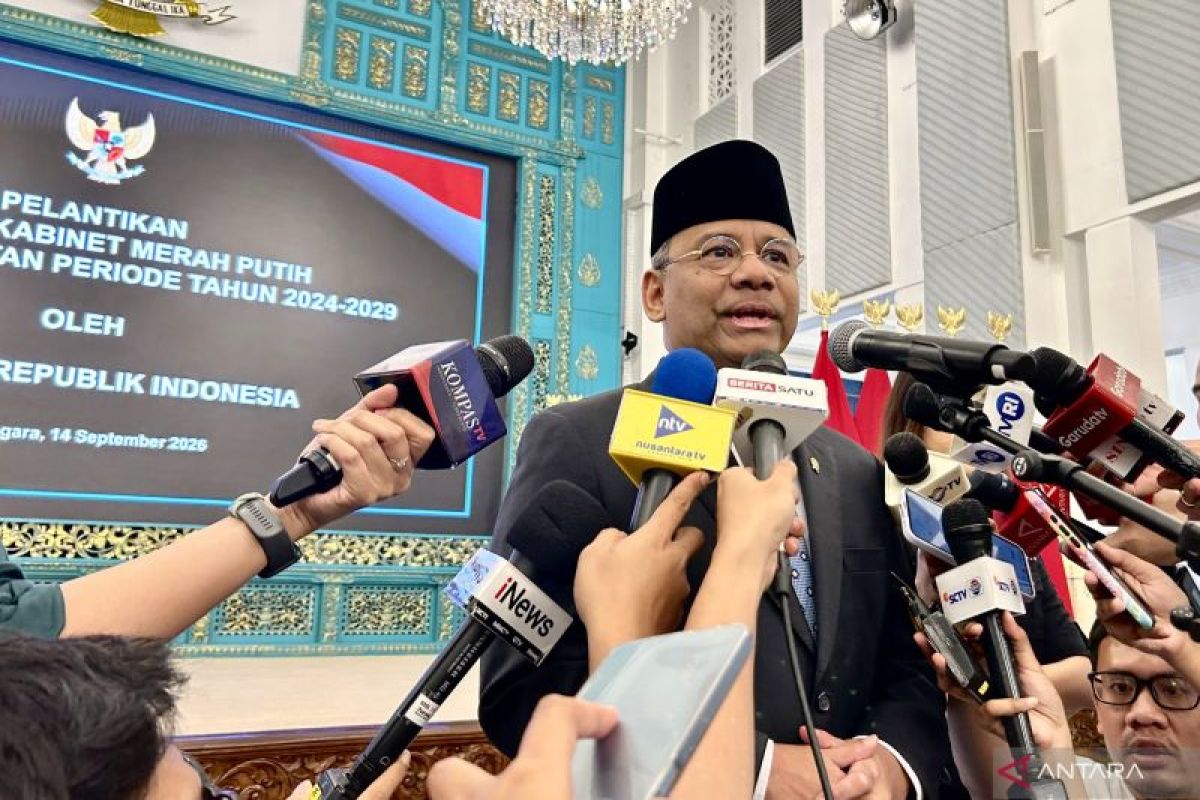
The Centre of Reform on Economics (CORE) Indonesia believes that Finance Minister Suahasil Nazara needs to anticipate the risk of hidden fiscal burdens that could potentially arise from several government obligations, which may strain the State Budget (APBN).
This has become one of the key tasks for Minister Suaheral following the transition in leadership. In a press release in Jakarta on Wednesday, CORE highlighted several policies that could create obligations for the state budget, including the placement of government funds in Himbara state-owned banks amounting to approximately Rp400 trillion, and potential loans for the Merah Putih Village Cooperative reaching Rp240 trillion, secured by Village Funds, General Allocation Funds (DAU), and Revenue Sharing Funds (DBH).
Furthermore, CORE highlighted energy compensation debts owed to PT PLN (Persero) and PT Pertamina (Persero), the plan to transfer the management of the Jakarta-Bandung High-Speed Railway (Whoosh) debt to a Special Mission Vehicle (SMV), and investment assignments through Danantara.
“These burdens are not recorded as a deficit, but could become claims on the state budget at any time,” CORE wrote.
According to CORE, the fiscal risk mapping within the 2027 Macroeconomic Framework and Fiscal Policy Principles (KEM-PPKF) does not yet encompass all these potential obligations. CORE stated that improving transparency and the recording of various government obligations is a vital part of maintaining fiscal credibility.
Beyond obligations outside the state budget, CORE believes Minister Suahasil also faces the challenge of increasing the credibility of macro assumptions and state revenue, as well as improving the quality of government spending. CORE noted that state expenditure grew by 18.62 per cent year-on-year until the end of July 2026; however, this increase in spending needs to be accompanied by stronger programme outcome measurements.
The institution noted that the 2027 State Budget (RAPBN) discussions present an opportunity for the government to create more realistic macro assumptions, record all obligations that could potentially burden the state budget, and improve spending quality.
Regarding revenue, CORE recommends increasing the number of taxpayers through the development of wealth taxes, capital gains taxes, and carbon taxes, as well as evaluating tax holiday and tax allowance incentives.
Meanwhile, CORE maintains that spending efficiency should be measured based on programme results, rather than solely by the size of budget cuts. This assessment, according to CORE, needs to be supported by transparency regarding unit costs and data on recipients of priority programmes, such as the Free Nutritious Meal and the Merah Putih Village Cooperative.
CORE also encourages the recording of Danantara’s burdens, SMV, fund placements in Himbara banks, and energy compensation debts within the Financial Note and the Central Government Financial Report.
Source: jawawa.id (https://jawawa.id/newsitem/core-finance-minister-suahasil-needs-to-anticipate-hidden-fiscal-burden-risks-1789571129)
Originally published by Antara (Indonesian) (https://www.antaranews.com/berita/5744535/core-menkeu-suahasil-perlu-antisipasi-risiko-beban-fiskal-tersembunyi), translated from Indonesian