
CORE: Economic stability is the key to achieving the 2027 growth target
Jakarta (ANTARA) - Mohammad Faisal, Executive Director of the Center of Reform on Economics (CORE) Indonesia, said that economic stability should be the government’s main concern in pursuing the 2027 economic growth target amid global geopolitical pressures. He noted that geopolitical conflicts could continue and may affect the national economy. “Economic resilience and economic stability must be strengthened going forward,” Faisal told ANTARA in Jakarta on Wednesday.
According to him, the government needs to maintain synergy between monetary, fiscal, and real-sector policies so that the growth target can be achieved without compromising macroeconomic stability. President of the Republic of Indonesia Prabowo Subianto previously outlined that the growth target sits in the range of 5.8-6.5 percent in the Macroeconomic Framework and Key Fiscal Policy Guidelines (KEM-PPKF) 2027. That target is higher than the 2026 APBN growth assumption of 5.4 percent.
Furthermore, the government targets a budget deficit in the range of 1.80-2.40 percent of GDP, with inflation projected to be in the 1.5-3.5 percent range. Faisal regards the 2027 macro growth assumption as quite optimistic given global challenges and the current dynamics of the economy. However, he warns that the government must still address various issues relating to pressures on national economic stability. “Looking at the 2027 macro assumptions, especially in terms of growth, in my view that is the most ambitious. But remember, one should not push the economy to grow too quickly at the expense of stability,” he said.
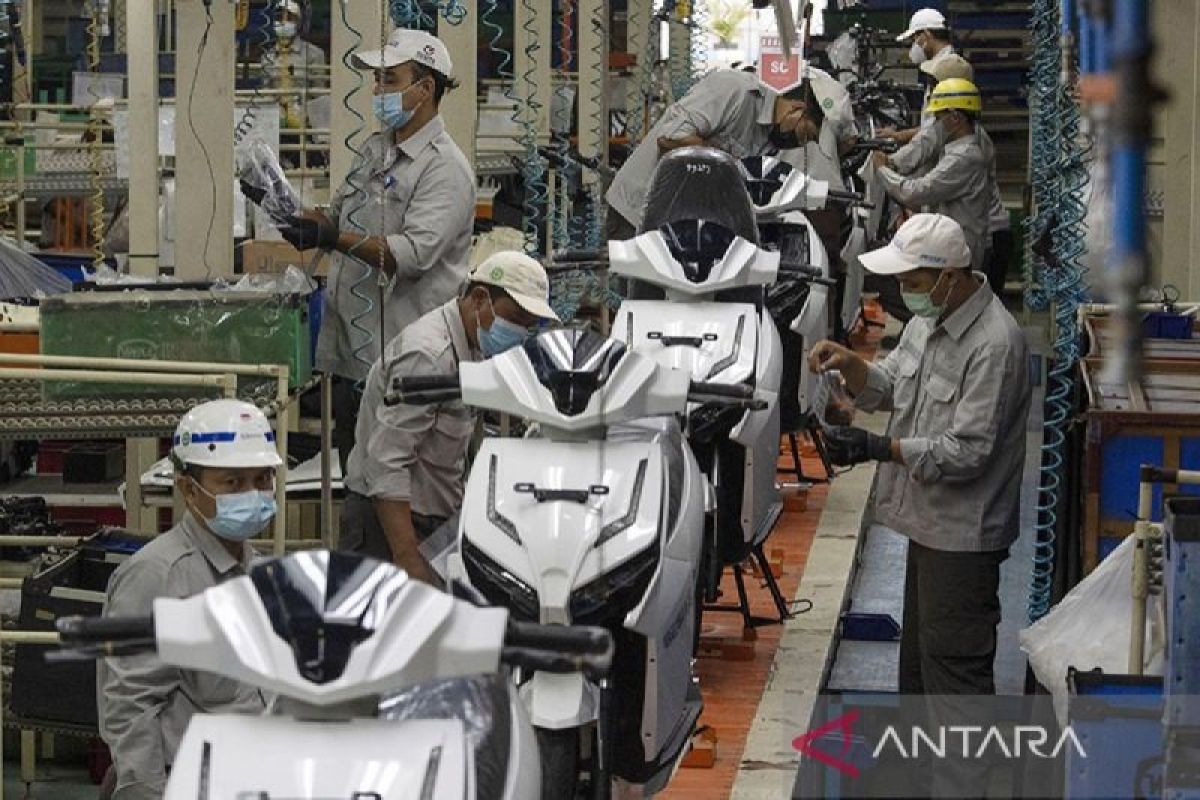
To achieve the target, Faisal noted the development of the industrial sector will continue to be an important driver for national growth as it can raise value-added production and create jobs. He explained that industrial development has a multiplier impact on other sectors, from agriculture, mining, fisheries, to the services sector. “Industrialisation must also remain a priority, as a key to driving economic growth,” he said.
Meanwhile, he stressed that the biggest challenge for the government going forward is maintaining credibility and fiscal health. He said that managing the APBN must be done carefully through more effective spending and by keeping the deficit under control. According to Faisal, the investment climate and the confidence of business actors must be maintained to accelerate national growth. “The key to accelerating growth is the private sector’s confidence in government policies and governance,” he said.
In the 2027 KEM-PPKF, the government targets the share of formal employment creation at 40.81 percent, higher than the 2026 target of 35 percent. Additionally, the open unemployment rate is targeted to fall to 4.30-4.87 percent and the poverty rate to decline to around 6.0-6.5 percent by 2027. In line with this, the government continues to push industrialisation and downstream processing to increase the added value of domestic industry and expand employment absorption. The Ministry of Industry previously noted that industrial estates in Indonesia attracted investments of around Rp6.744 trillion in the last five years, with employment absorption reaching about 2.35 million people.