
CORE: Domestic rice distribution must be prioritised before exports
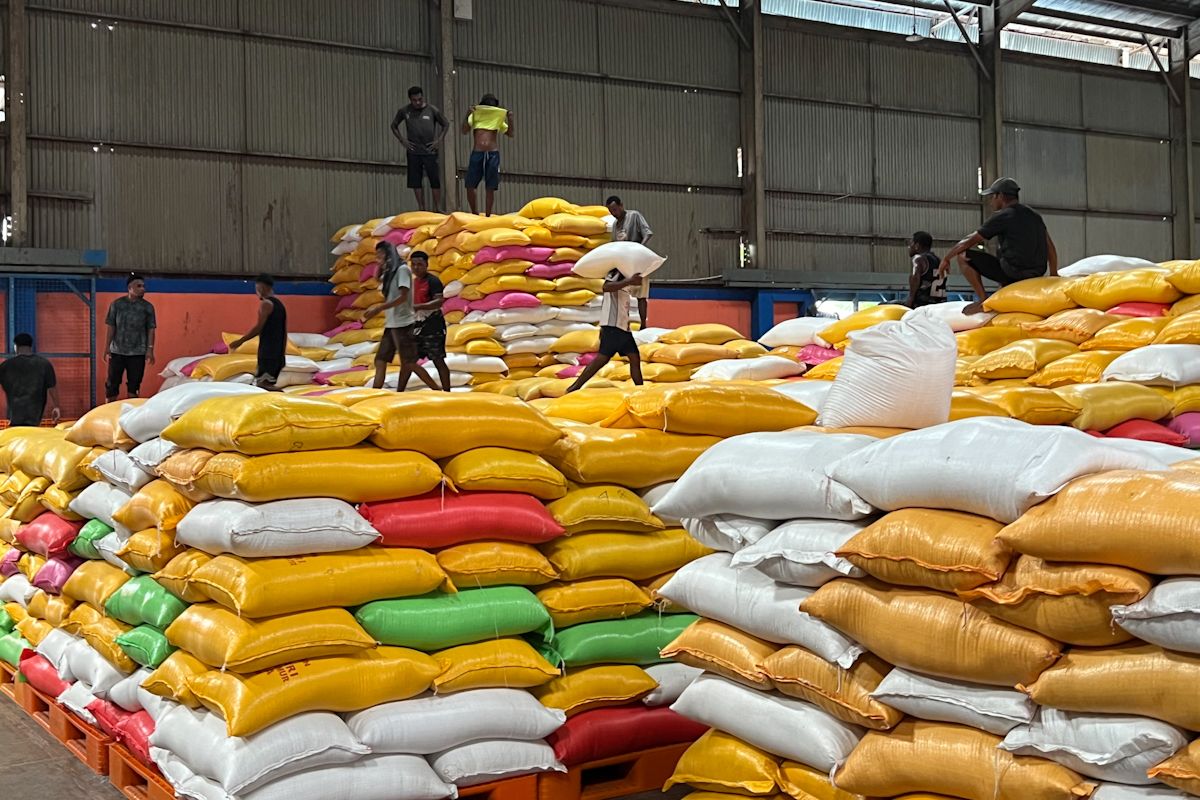
Jakarta (ANTARA) - Agriculture analyst from the Center of Reform on Economics (CORE) Eliza Mardian is urging the government to prioritise equitable distribution and access to rice domestically before expanding export opportunities, even though national rice production is projected to be in surplus.
“It is better to focus first on domestic improvements. Within a complete food security framework, the indicators are not only availability, but also access, affordability, and stability,” Eliza said when contacted in Jakarta on Monday.
Based on the Ministry of Agriculture’s food balance projections, rice production in 2026 is estimated to reach 34.77 million tonnes, while national demand stands at 31.10 million tonnes, resulting in a surplus of approximately 3.67 million tonnes.
On the other hand, Perum Bulog recorded that the Government Rice Reserve (CBP) stock under its management reached 5.25 million tonnes as of 9 August 2026.
Given these conditions, the government has begun exploring rice export markets, including to Malaysia with an initial shipment plan of 1,000 tonnes.
However, Eliza believes the government should ensure domestic distribution is functioning well before opening export markets on a broader scale. This is considered important so that exports do not create new problems in the form of price increases or supply shortages in certain regions.
According to her, a national rice production surplus does not automatically mean that all Indonesians have access to rice at affordable prices.
Distribution remains a challenge, especially in remote areas and small islands. Eliza cited rice prices in several eastern Indonesian regions that remain above the national average.
Based on data from the National Strategic Food Price Information Centre (PIHPS) accessed on Monday (24/8), the average price of medium-quality rice nationally was recorded at Rp16,500 per kilogram.
However, rice prices in several eastern Indonesian regions are above the national average. The average price of medium-quality rice in Maluku was recorded at Rp17,600 per kg, North Maluku at Rp18,000 per kg, and Papua at Rp19,350 per kg.
Higher prices were also recorded in Jayawijaya Regency, reaching Rp23,500 per kg, while in Mimika Regency the price was Rp19,500 per kg.
“Exports should be carried out after domestic stocks are secure in all regions, even in the most remote areas, and farmer prices are stable,” Eliza said.
She encouraged the government to strengthen distribution infrastructure, including adding storage warehouses in remote districts, conducting regular market operations in areas with high logistics costs, and improving inter-island connectivity so that transport costs do not overly burden final prices.
Meanwhile, the government stated that exports are being carried out after ensuring national rice availability is in a secure condition.
Minister of Agriculture Andi Amran Sulaiman said that rice stocks at Bulog currently stand at around 5.2 million tonnes.
For the initial phase, Indonesia will export 1,000 tonnes of premium rice to Malaysia. This volume could potentially be increased to 200,000 tonnes per year to meet rice demand in Sarawak.
Amran said exports are being carried out in a measured and gradual manner, in line with strong national rice production.
In terms of economic value, the agreed rice price is around 3.9 Malaysian ringgit or approximately Rp17,000 per kilogram. With a potential export volume of 200,000 tonnes, the rice trade value is estimated to reach around Rp3.39 trillion.