
CORE: Agricultural downstreaming projects can absorb massive workforce
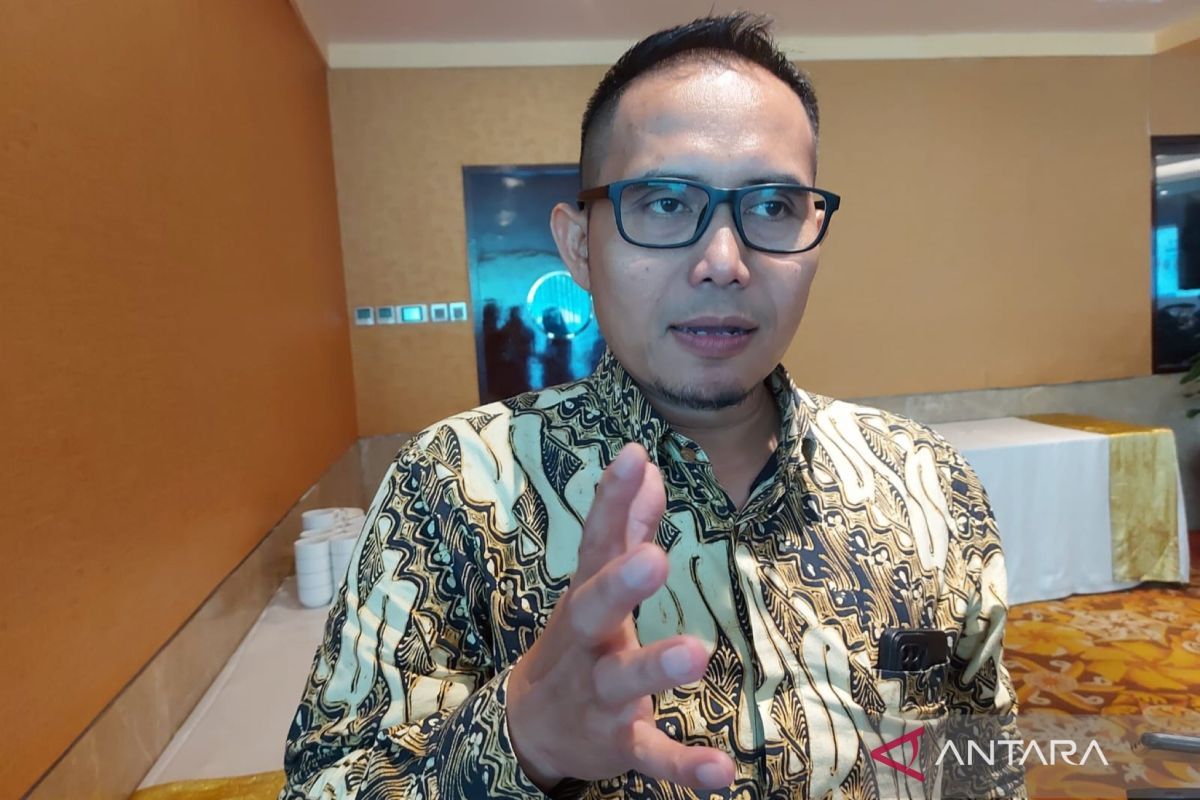
Jakarta (ANTARA) - The Executive Director of the Center of Reform on Economics (CORE) Indonesia, Mohammad Faisal, assessed that downstreaming projects in the agricultural sector are capable of absorbing more labour compared to other sectors. “If downstreaming creates the most jobs, it is in the agricultural sector, because it is the most labour-intensive. So, the level of labour absorption is greater, in my opinion, compared to downstreaming in mining,” Faisal explained when contacted in Jakarta on Friday. “Although from a value perspective, the added value, it could be that mining processed products have a multiplied added value compared to agriculture,” he added. Furthermore, he stated that if agricultural downstreaming can be optimised to downstream products, it is expected that the added value generated will also increase. He cited examples of downstreaming for Indonesia’s leading commodities such as palm oil, coconut, rubber, coffee, and horticulture. “This, and perhaps also horticulture, including other staple foods, maybe those whose raw materials or production are domestic, that will be able to create a lot of jobs,” said Faisal. For downstreaming projects to run optimally, Faisal reminded of the importance of paying attention to several aspects, ranging from efforts to maximise added value, inclusivity and community involvement, to reducing the environmental impact of downstreaming projects, as well as evaluation. “So, at least these three things need attention when we talk about optimising (national downstreaming projects),” he said. Previously, the Chief Operating Officer of the Daya Anagata Nusantara Investment Management Agency (BPI Danantara), Dony Oskaria, stated that 26 downstreaming projects with a total investment value of Rp225 trillion are currently being worked on and are projected to absorb 37,833 workers. Dony said on Monday (13/7) that the 26 projects cover various strategic commodities, from the mining sector such as the construction of aluminium, stainless steel, and copper smelters, to the energy and food sectors through the development of bioavtur, bioethanol, palm oil processing, coconut industry, and integrated chicken farming facilities. The project implementation is carried out in two phases, with the first phase starting through a groundbreaking on 6 February 2026. This first phase includes six priority projects in 13 locations with an investment value of Rp109 trillion and the potential to absorb 11,456 workers. Furthermore, the second phase begins with a groundbreaking on 29 April 2026, covering 10 priority projects in 13 locations with an investment value of Rp116 trillion and is estimated to absorb 26,377 workers.