
Copper Downstreaming Driven to Strengthen National Defence Industry
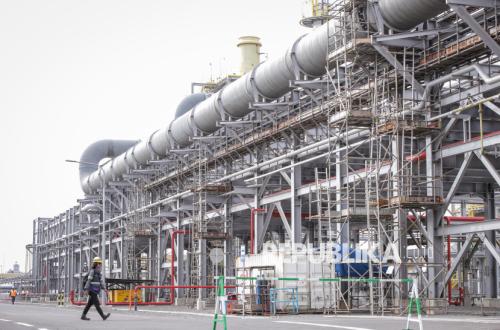
Copper downstreaming is being encouraged to serve as a foundation for strengthening the national defence industry. This move is considered vital to ensure that Indonesia does not remain dependent on imports of strategic raw materials for defence industry requirements.
Indonesia currently holds approximately 3 per cent of the world’s copper reserves. Data from the Ministry of Investment/BKPM places Indonesia seventh in global copper reserves and eleventh in global copper mine production. However, the capacity of the national copper downstream industry still lags behind, ranking 18th globally, trailing behind nations such as Japan, India, South Korea, and Bulgaria, which do not possess copper mineral reserves.
One strategic downstream product currently under scrutiny is the brass cup, a raw material for ammunition casings that is currently largely fulfilled through imports. The Deputy Chairman of Commission I of the Indonesian House of Representatives (DPR RI), Dave Laksono, believes that copper downstreaming holds a strategic position in strengthening the national defence industry, particularly in supporting domestic production independence for weaponry and ammunition.
According to Laksono, integrated copper processing can be utilised as raw material for defence systems, ammunition, and strategic defence technology. “With the integration between the mining sector and the defence industry, Indonesia will not only reduce dependence on raw material imports but also strengthen its position in maintaining national sovereignty and security,” Dave stated in Jakarta.
The urgency of this downstreaming is reflected in the increasing trend of copper and derivative product imports. Based on data from the Ministry of Trade, the import value of copper and its derivatives grew by an average of 5.11 per cent annually between 2021 and 2025. Cumulatively, this import value increased by 15.27 per cent compared to the previous period.
Dave expressed optimism that consistent downstreaming could build a more independent and competitive defence ecosystem, aligning with Indonesia’s free and active foreign policy. He added that Commission I of the DPR RI will continue to encourage synergy between the government, State-Owned Enterprises (SOEs), and the private sector to ensure copper downstreaming provides tangible benefits to the national defence industry.
On the production side, concrete steps are being taken by the mining industry holding company, MIND ID, through PT Freeport Indonesia. PTFI is collaborating with the defence industry holding company, DEFEND ID, through PT Pindad to produce brass cups in Gresik. The facility is designed with a production capacity of 10,000 tonnes per year to meet domestic ammunition component needs.
Looking ahead, MIND ID also plans to develop downstream facilities to produce copper rods and copper wire with a capacity of 300,000 tonnes per year, as well as copper pipes with a capacity of 100,000 tonnes per year. All these products will be based on copper cathodes produced by Freeport Indonesia. These downstream products are also seen as essential raw materials for various defence industries requiring copper-based materials, as part of MIND ID’s efforts to increase the added value of mineral commodities through domestic downstreaming.