
Copper Cable Theft Causes Train Crash That Killed 22 People
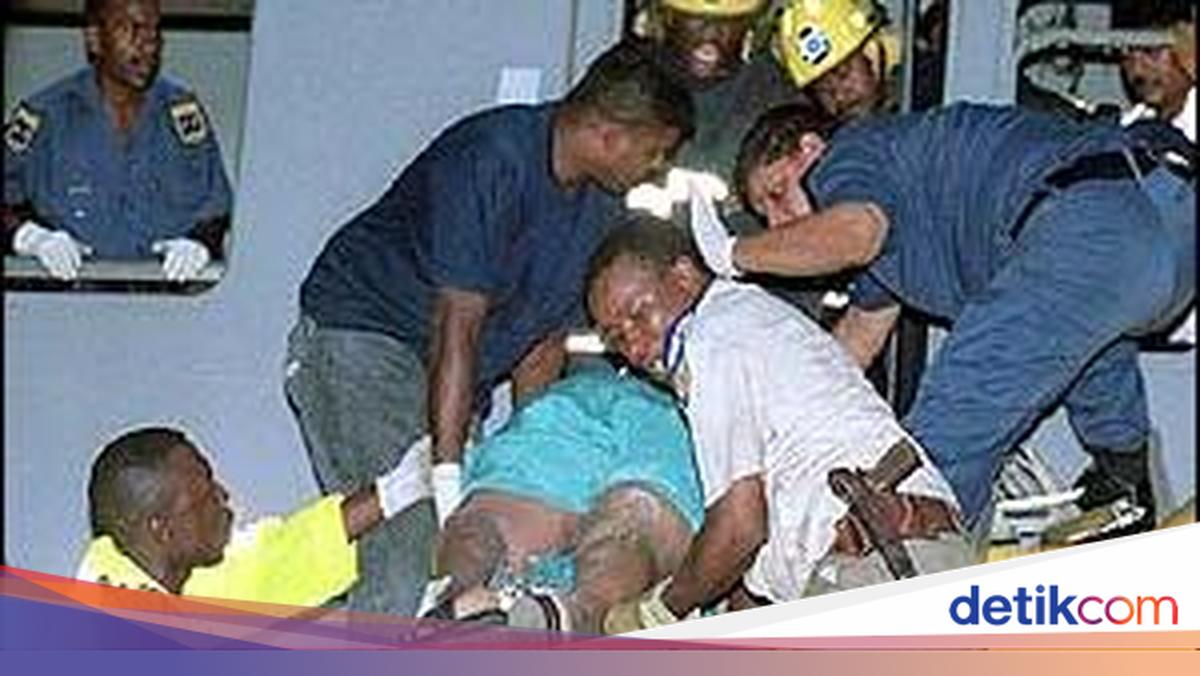
A tragic train accident once occurred in the eastern part of South Africa. Ironically, the accident happened because copper signalling cables had been stolen.
According to the BBC, the accident occurred on Tuesday, 5 February 2002. The location was Charlotte Dale Station, about 60 km north of Durban, in the province of KwaZulu-Natal, South Africa.
A Spoornet freight train carrying a load of paper was stationary at the station. On the same track and in the same direction (towards Durban), a very crowded Metrorail commuter passenger train was travelling. The majority of its passengers were children returning home from school.
There was no warning or danger signal at all before the violent collision occurred. The passenger train slammed directly into the rear of the stationary freight train at full speed.
The massive collision caused six passenger carriages to leave the rails (derail). The carriages were severely wrecked, colliding with each other, and some of them were even folded and piled on top of other carriages.
This accident claimed many lives. A total of 22 people died, 16 of whom were schoolchildren.
Meanwhile, dozens of people were injured. Ten of the victims were even in critical condition.
As a Result of Stolen Signalling Cables
Officers then conducted an investigation. Shortly before the accident, the railway signalling system cables were reported to have been stolen and damaged about an hour before the incident.
This was strongly suspected of disrupting the track navigation system so that the passenger train entered the same track as the stationary freight train.
According to a News24 report on 14 February 2002, the thieves took about 2 metres of signal cable. The value of the copper if sold to a scrap dealer was estimated at only around R26 (26 rand), at a price of about R9–R13 per kilogram at the time. If converted to rupiah at the exchange rate of that year, the price was around Rp 30,000. This feels so ironic because the theft of such an inexpensive item had to claim the lives of many people.