
COP31 Climate High-Level Champion Urges Focus on Implementing Climate Targets
ANKARA — COP31 Climate High-Level Champion Samed Agırbas has stressed that the UN climate change conference must focus on turning climate commitments into concrete action, rather than simply producing new targets and pledges.
The Climate High-Level Champion is an official role established at COP21 in Paris in 2015. It serves as a bridge between the governments of member countries and non-state actors, including local governments, the private sector, investors and civil society organisations.
“COP31 must be a meeting where decisions already taken are put into practice on the ground. We must build a process that translates existing commitments into practice, rather than introducing new targets,” Agırbas said, as quoted by Daily Sabah on Sunday (11 October 2026).
He noted that more than 80 decisions had been adopted at climate change conferences over the past three decades. COP31 should therefore prioritise implementation and deliver measurable progress, he said.
“People want to see change and transformation on the ground. The world does not need new promises; it is time to act,” he said.
Türkiye expects more than 100,000 people from 193 countries to attend COP31. Agırbas said the conference would be geared towards turning climate commitments into tangible results.
Agırbas, who is also president of the Zero Waste Initiative, urged COP31 to make zero-waste policies a priority. Türkiye wants to use the conference to promote waste reduction and sustainable resource management.
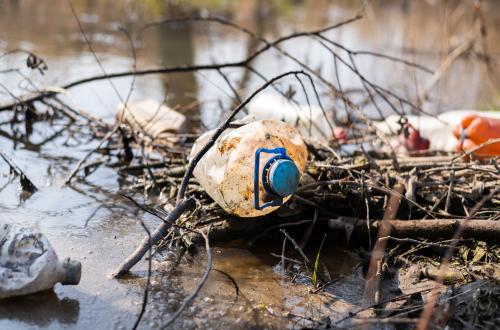
He warned of the effects of waste and plastic pollution on ecosystems and public health.
“We are seeing a new crisis in the oceans caused by plastic pollution, cities around the world are being overwhelmed by waste, and microplastics have become a direct threat to human health,” he said.
Alongside climate action, Agırbas identified climate justice and financing as important COP31 issues. He said the summit needed to address disparities between developed and developing countries, particularly regarding responsibility for environmental damage.
“We recognise that environmental damage was caused by the countries that led the Industrial Revolution,” Agırbas said.
He nevertheless said responses to climate change should remain inclusive and take everyone’s interests into account. “We need to adopt an inclusive approach, leave no one behind, and involve all sections of society in this process,” he said.
Agırbas also highlighted global economic inequality. While some countries are focused on reducing the cost of obesity medicines, he said, millions of people elsewhere still face hunger and a lack of clean water.
He also referred to the suffering caused by wars and conflicts, including the killing of civilians and children and the forced displacement of communities. Agırbas criticised the way powerful countries treat weaker ones, saying some countries’ actions had reached the point of genocide.
He said Türkiye wanted to use the international platform to highlight the injustices faced by vulnerable groups around the world.