
Coordinating Ministry for Food: Sugar Food Aid Proposal Requires Cross-Sectoral Discussion
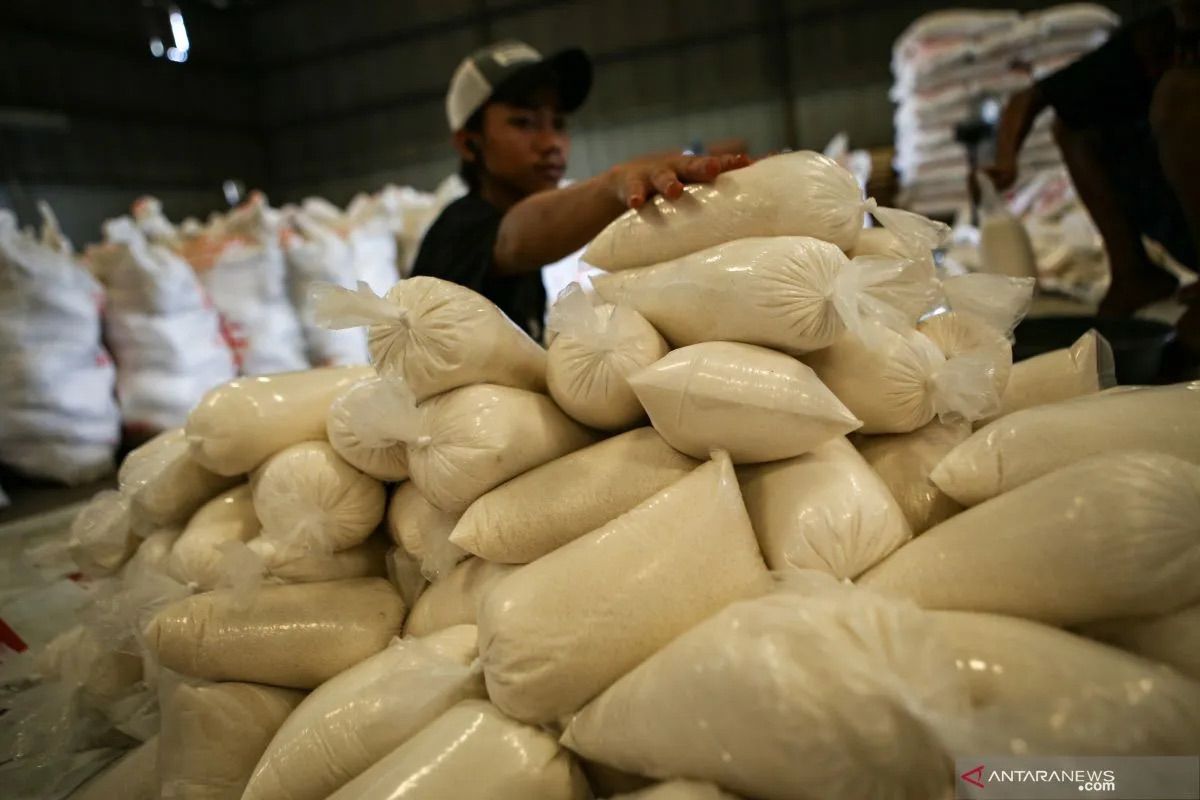
Jakarta (ANTARA) - The Coordinating Ministry for Food stated that the proposal by the Indonesian Sugarcane Farmers Association (APTRI) to include sugar in the national food aid program requires cross-sectoral discussion with relevant ministries and agencies. Assistant Deputy for Plantation and Horticulture Product Competitiveness at the Coordinating Ministry for Food, Radian Bagiyono, said the proposal would first be reported to Coordinating Minister for Food Zulkifli Hasan. ‘We are trying to capture the aspirations,’ Radian stated, as reported in Jakarta on Friday. He added that the government is actively gathering input from food sector stakeholders to find the best solutions for strengthening the overall management of national strategic food commodities. He explained that discussions on the sugar food aid proposal would involve relevant technical ministries within the Coordinating Ministry for Food and other ministries with national food policy connections. ‘We will coordinate the resolution both within the Coordinating Ministry for Food and with other technical ministries outside its coordination,’ he said. The Indonesian Sugarcane Farmers Association (APTRI) has urged the government to include sugar as part of the national food aid program to strengthen protection for sugarcane farmers and maintain balance in the domestic sugar market. APTRI believes adding sugar to food aid would be a strategic move to help maintain purchasing power and ensure stable absorption of domestic sugar production. According to the farmers’ association, the required amount of sugar in food aid need not match rice volumes, as domestic sugar consumption is much lower than daily rice needs. APTRI proposed that for every 10kg of rice distributed, the government should include 1kg of sugar in food aid packages. ‘Don’t give too much sugar, since sugar needs are only 10% of rice requirements. So if rice is given at 10kg, give 1kg of sugar. If sugar is considered too expensive,’ said APTRI Chairman Soemitro Samadikoen after the opening of APTRI’s National Working Meeting in Jakarta on Monday (25/5). The proposal is expected to provide stability for sugar producers and sugarcane farmers amid price fluctuations while ensuring sustainable national sugar production for public needs. ‘So that sugar producers and sugarcane farmers can comfortably navigate sugar price fluctuations,’ he said. Currently, the government, through Perum Bulog, continues to distribute rice and cooking oil to 33.2 million beneficiary households across Indonesia in phases. Under the economic stimulus program, each household receives a February-March 2026 allocation of 20kg of rice and four litres of cooking oil to support public needs. Bulog reported that as of 29 May 2026, food aid distribution had reached approximately 47% of the national target of 33.2 million households. Of the total distributed, around 308,000 tonnes of rice and 62,000 tonnes of MinyaKita cooking oil have been provided to maintain national food supply stability. The remaining food aid allocation will be distributed gradually until June 2026 after the National Food Agency extended the deadline to ensure all beneficiaries receive assistance as per regulations.