
Coordinating Minister: Tile-making programme will boost local economies
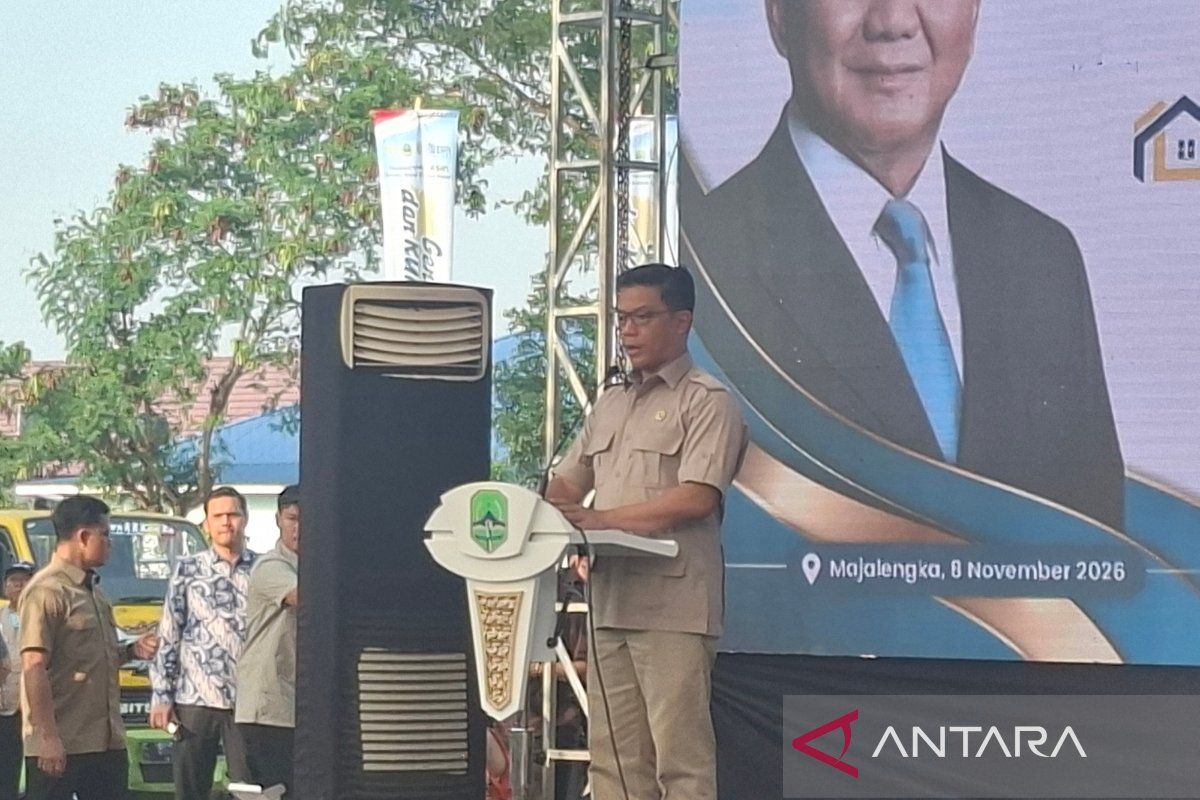
Majalengka (ANTARA) – Coordinating Minister for Human Development and Culture Sugiono said the tile-making programme would have a positive multiplier effect on local economies.
“I think this is a programme that will benefit not only small and medium-sized tile businesses, but will also create related jobs. Truck drivers will be working, their assistants will be working, and the economy will gain momentum,” Sugiono said at an event in Majalengka, West Java, on Sunday to launch 2.4 million tiles produced in Jatiwangi.
He said roof tiles were part of a heritage passed down through generations, demonstrating that Indonesia’s rich cultural traditions in protecting the environment, communities, natural beauty and the country’s natural assets had long been established.
President Prabowo, he added, wanted tiles to be used because they are made from natural materials found in the surrounding environment. The programme would also bring economic benefits, helping the small and medium-sized tile industry recover, grow and create jobs, and ultimately improve the livelihoods of tile businesses.
Sugiono said the initiative was not limited to tiles, noting that many other parts of the archipelago had local roofing traditions of their own.
“I think that, as we develop this, schools—particularly vocational schools—and universities with courses related to construction and engineering can explore other possibilities in those areas, to achieve what we want and make Indonesia more beautiful and greener,” he said.
Housing and Settlement Areas Minister Maruarar Sirait and Sugiono officially launched the shipment of 2.4 million tiles produced in Jatiwangi, Majalengka Regency, West Java, on Sunday.
The launch, held at Lapangan Pasar Lama Jatiwangi, marked the start of distribution of millions of tiles made by Majalengka residents to various parts of Indonesia.
The programme is intended not only to meet demand for construction materials and improve the quality of people’s homes, but also to revive industries based on local resources and strengthen the people’s economy.
Before the event began, Maruarar and Sugiono had lunch with truck drivers, their assistants, tile makers, residents and small and medium-sized business operators. The gathering reflected a spirit of togetherness and mutual cooperation through liwetan, a shared-meal tradition rooted in West Java’s local culture.