
Coordinating Minister: Painting Could Become a Core Curriculum for Disaster Management
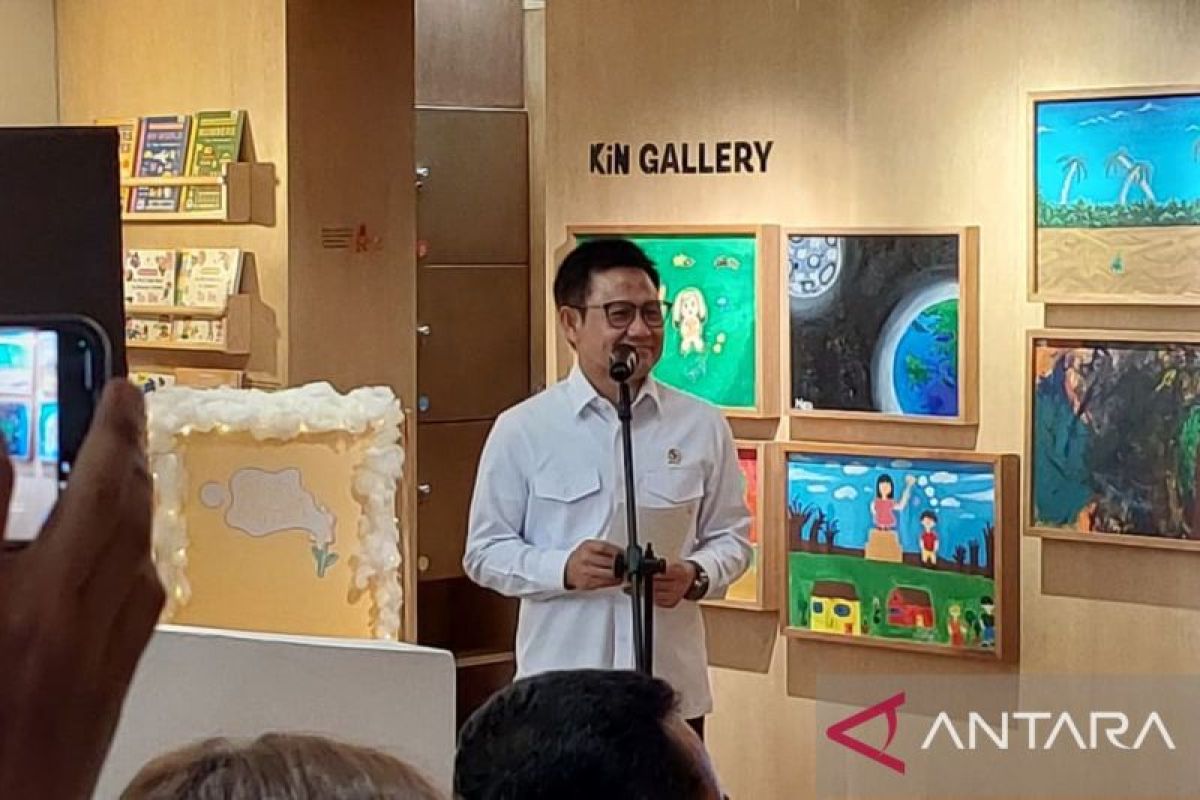
Jakarta (ANTARA) - The Coordinating Minister for Community Empowerment, Muhaimin Iskandar, stated that painting could serve as a standard for psychological recovery therapy for disaster victims and be included as a core curriculum in disaster management programmes, alongside the physical reconstruction of buildings.
“That painting could become a minimum standard for the psychological recovery of children in disaster-prone areas could serve as a model, and this could become a mandatory budget for the government to prepare creative expression and art as an initial therapy for disaster management,” Muhaimin said during the ‘Bukit Mimpi’ Painting Exhibition, part of the Ekraf Peduli programme, in Jakarta on Tuesday.
Muhaimin noted that psychological recovery through creative art expression should be recommended for post-disaster programmes and needs to be incorporated into government budgets as a minimum therapy standard.
He stated that painting can serve as a natural outlet for expression, particularly for children who are victims of natural disasters. He mentioned that the resulting paintings from such recovery programmes would possess more soul and produce storytelling imagery, as they are derived from experiences that cannot be replaced, even by artificial intelligence technology.
Furthermore, paintings can generate added value for the economies of affected communities through appreciation, such as exhibitions and auctions by communities or art collectors. He also noted that post-disaster recovery programmes involving painting could produce new artists, thereby enriching Indonesia’s creative talent.
“That extraordinary added value will be beneficial for appreciation, especially regarding emerging artistic potentials, which can then grow and possess creative economy added value,” he said.
He also commended the programme run by the Ministry of Creative Economy, which provides space for children in disaster-affected areas in Aceh, North Sumatra, and West Sumatra to produce paintings as part of the Reconstruction and Rehabilitation (Rekon Rehab) programme.
He stated that the creative economy currently plays a strategic role in driving the national economy, including making real contributions to economic growth, employment absorption, and generating income through product value-add, ultimately improving public welfare.
Muhaiment said that creative economy actors must be given the space to increase their capacity and develop economic potential, both from art and other creative products, to revitalise regional economies, particularly in disaster-affected areas such as Aceh, North Sumatra, and West Sumatra.
“One example is in Aceh, where we will continue to refine the resurgence of Aceh coffee, which is already world-renowned and a source of national pride. We will continue to pursue environmental recovery and the economic recovery of our lives,” he said.
He concluded that creative potential as a means of post-disaster economic recovery will be realised if accompanied by collaboration between all parties, including educators in schools, the government, and artists, so that regional creative pioneers can have confidence that their works can serve as capital for future success.