
Coordinating Minister for Infrastructure: Master Plan for Giant Sea Wall Project Continues to be Refined
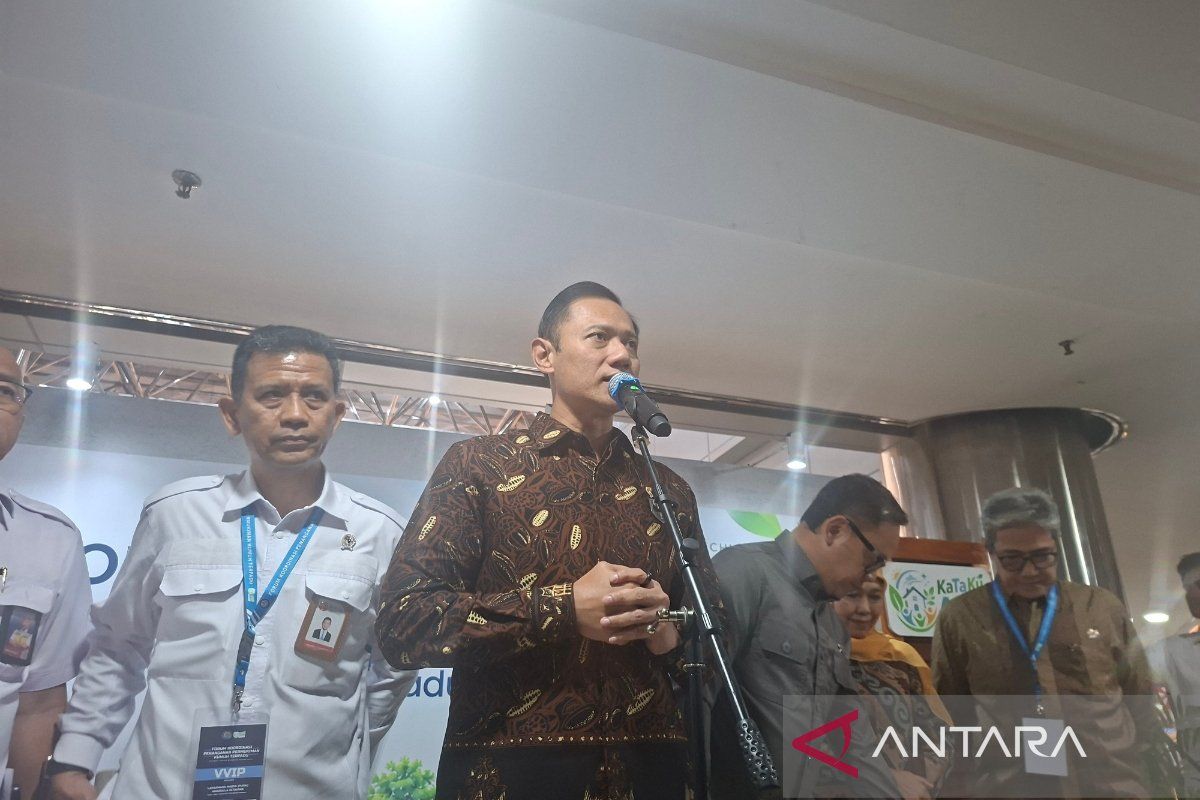
The Coordinating Minister for Infrastructure and Regional Development (Menko IPK), Agus Harimurti Yudhoyono (AHY), has revealed that the master plan for the Giant Sea Wall (GSW) project is being continuously refined. He stated that the Coordinating Ministry is actively coordinating and providing various directives and inputs that are being detailed.
“What is clear is that we are currently maturing the master plan. This 575-kilometre Giant Sea Wall is an extraordinarily large project. However, I also remind everyone that we are starting with the most vulnerable area, which is Jakarta Bay. This involves cooperation with the Jakarta Provincial Government, for instance, with Governor Pramono Anung,” AHY said during a press conference in Jakarta on Monday.
He continued, noting that Central Java—specifically the Semarang, Kendal, and Demak regions—is also heavily impacted by land subsidence and tidal flooding.
“The remainder will be divided into segments. From the first segment up to several dozen segments, moving from west to east. This is still being finalised, although there is a planned ‘groundbreaking program’ before the physical groundbreaking takes place. We will continue to oversee this process,” he said.
AHY also emphasised that constructing coastal embankments, sea walls, and river normalisation constitutes a massive undertaking from upstream to downstream. Preventing tidal flooding and land subsidence involves more than just building walls; it requires ensuring that groundwater exploitation is reduced.
“Furthermore, preventing floodwaters from downstream requires upstream management as well. I repeat, spatial planning must not be ignored before we discuss downstream solutions,” he stated.
According to the Minister, while downstream issues are driven by global warming and rising sea levels—necessitating the construction of embankments in several sectors—other areas should utilise nature-based solutions. He noted that mangroves are the most effective nature-based solution and can be implemented more rapidly.