
Coordinating Minister for Food: Carbon Market Must Benefit Forest Communities
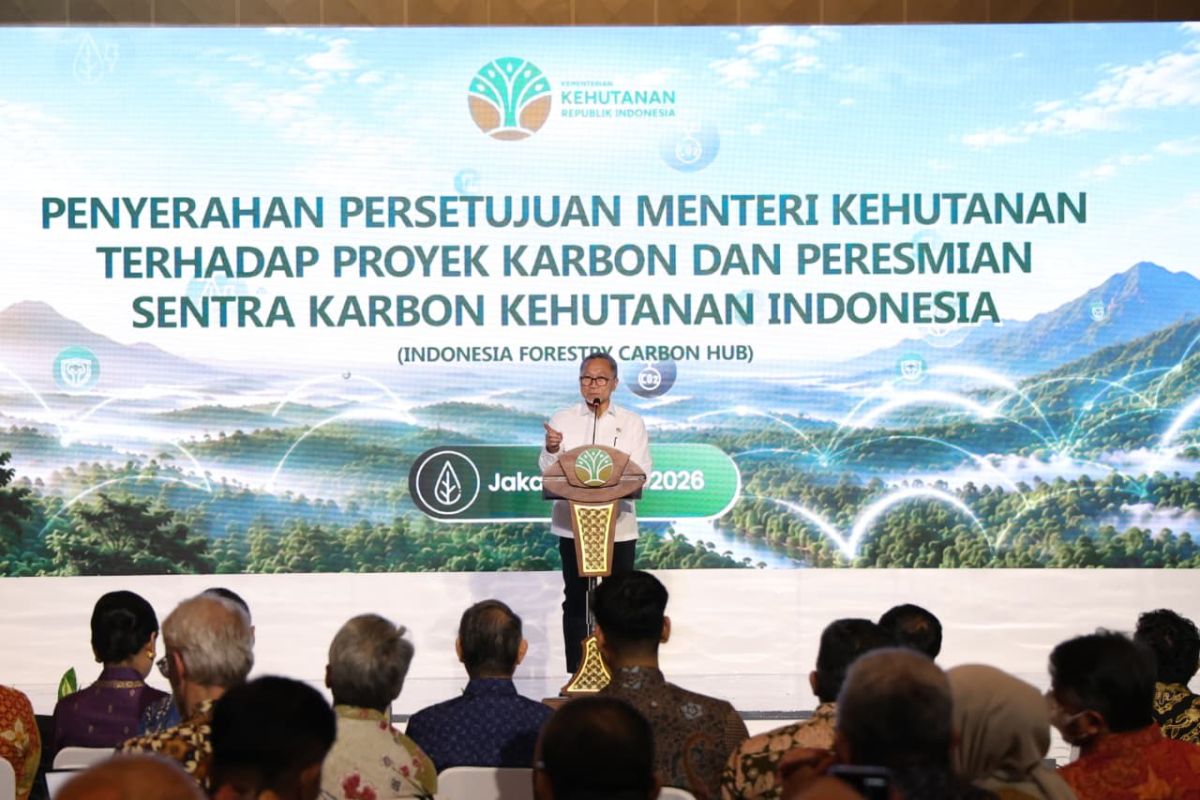
Communities living around forests must be the first to feel the economic benefits of carbon trading, according to Coordinating Minister for Food Zulkifli Hasan. He stated that the development of the national carbon market needs to provide economic benefits that can be directly felt by these communities. “Communities around forests must be the first to feel the economic benefits of carbon. They protect the forests, so they must also obtain added value from the preservation of those forests,” Zulhas said in an official statement received in Jakarta on Monday. As Chair of the Carbon Economic Value Steering Committee, he said the carbon market must become an economic instrument that not only encourages transactions but also delivers community welfare while maintaining the preservation of Indonesia’s forests. He said the government continues to accelerate the implementation of carbon trading through the completion of regulations, alignment of cross-sectoral authority, and strengthening of carbon market infrastructure. According to him, the government continues to remove various implementation barriers so that the carbon market does not stop as a concept, but becomes an economic instrument that operates credibly, transparently, and is trusted by the international market. The government marked this step through the handover of the Forestry Minister’s Approval for carbon trading projects and the inauguration of the Indonesia Forestry Carbon Hub. The Forestry Minister’s Approval handed over includes the issuance of more than 31.7 million tonnes of carbon dioxide equivalent (CO2e) carbon units from an area of approximately 224,000 hectares. This step is part of the implementation of Presidential Regulation Number 110 of 2025 concerning Carbon Economic Value. The government also believes that the carbon trading ecosystem can encourage green investment of up to 5.8 billion US dollars, or approximately Rp152.9 trillion, while accelerating the achievement of national emission reduction targets. Going forward, the government will accelerate the completion of the national carbon trading infrastructure, including the launch of the Carbon Unit Registry System. This system, developed by the Ministry of Environment with support from the Financial Services Authority, will serve as the backbone of Indonesia’s carbon trading ecosystem. With an integrated and transparent system, Indonesia is expected to strengthen its position in the global carbon market while making the green economy a new, inclusive source of growth.