
Coordinating Minister AHY pushes construction industry as pillar of sustainable development
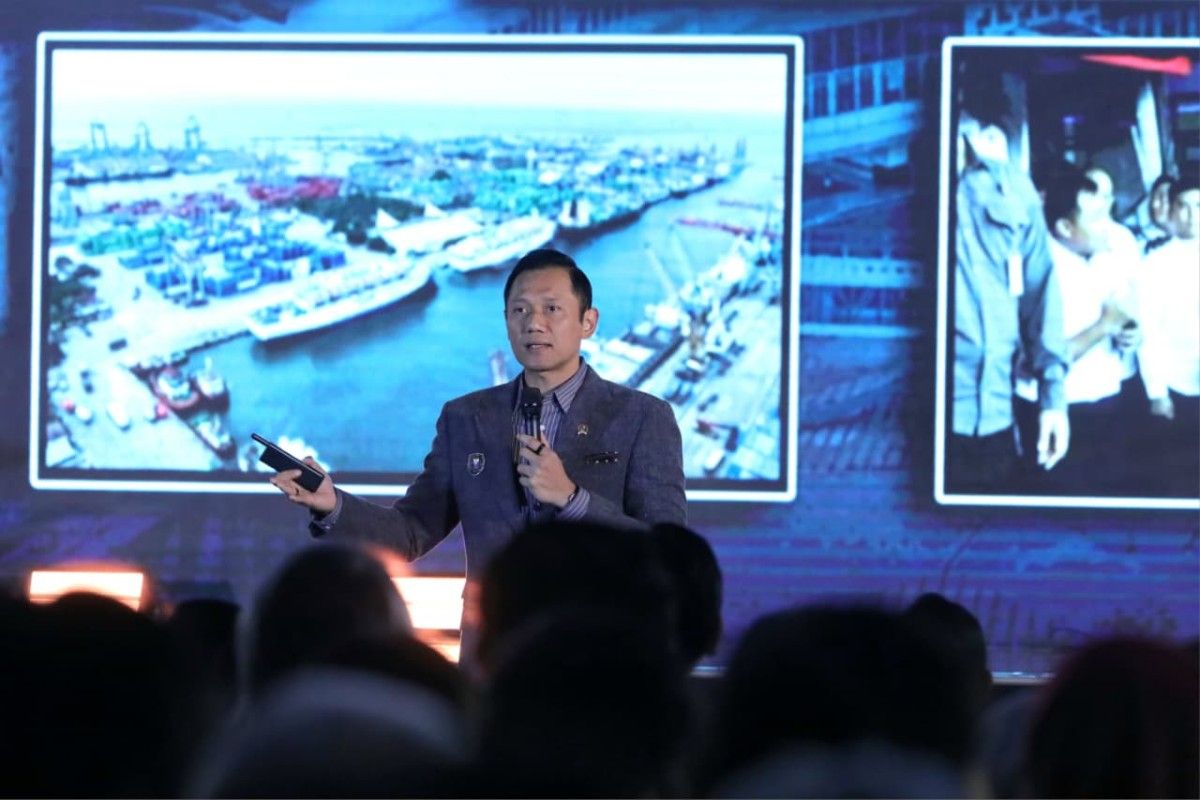
Coordinating Minister for Infrastructure and Regional Development Agus Harimurti Yudhoyono (AHY) is pushing for the national construction industry to become a pillar of sustainable development through enhanced competitiveness, innovation, and improved infrastructure quality that directly benefits the public. He assessed that the construction sector plays a strategic role in supporting national economic growth while creating employment. Amid global economic challenges, strengthening the construction industry also serves as a crucial foundation for achieving inclusive, robust, and sustainable development. “The construction sector consistently ranks among the top five contributors to national Gross Domestic Product (GDP) and is a sector that absorbs a significant workforce. Therefore, if this sector grows healthily, the impact is directly felt by the community through job creation and economic activity,” AHY said in a statement in Jakarta on Wednesday. He said infrastructure development must not be viewed solely as physical construction. More than that, development must serve as an instrument to improve public welfare, strengthen national competitiveness, and promote equitable development across all parts of Indonesia. “We do not just want to build more, but we must build better, with higher quality, greater impact, and build for all. This means no region should be left behind in development,” he stressed. AHY also expressed appreciation for the growing role of national industry in meeting development needs. While reviewing an exhibition, he observed an increasing number of locally made products of international quality with rising Domestic Component Level (TKDN) content. “This is encouraging. Indonesian products are increasingly innovative, of higher quality, and have greater local content. This shows that the national industry has the capability to compete with products from other countries,” he said. He added that future development challenges also require a shift in perspective regarding infrastructure quality. The threats of climate change and the increasing frequency of natural disasters necessitate the construction of more resilient and adaptive infrastructure. “Going forward, we must be more adaptive in facing the climate crisis. The construction materials used must be stronger, tougher, and resilient to various potential disasters so that the benefits are truly felt by the community in the long term,” AHY concluded.