
Coordinated response needed to restore pressured rupiah and JCI: Analyst
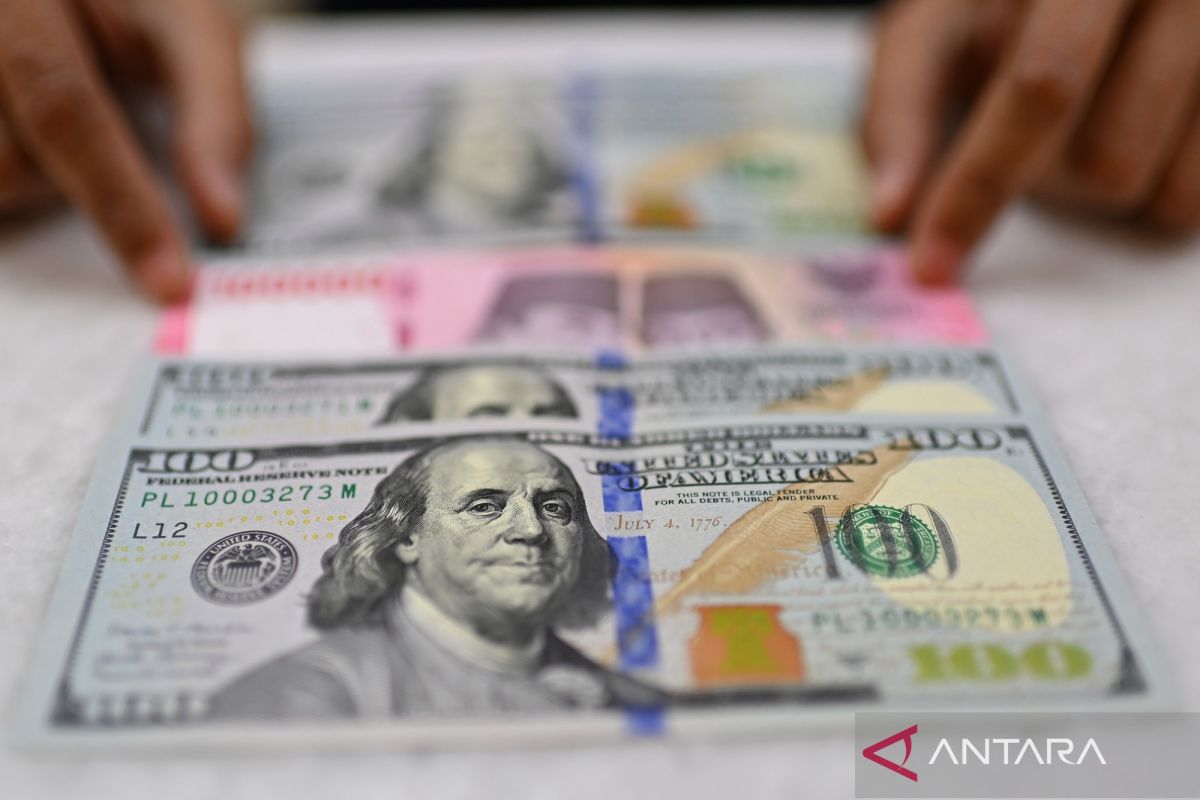
A coordinated response from the authorities is necessary to restore investor confidence and maintain financial market stability amid ongoing pressure on the rupiah and the Indonesia Stock Exchange (IDX) Composite (IHSG), according to a senior analyst. The rupiah continued to weaken, breaching a new psychological mark at around Rp18,000 per US dollar on Thursday, whilst the IHSG extended a sharp correction with a 3.48 per cent drop at the close of the first trading session.
M Nafan Aji Gusta, Senior Technical Analyst at Mirae Asset Sekuritas Indonesia, stated that Bank Indonesia (BI) needs to conduct more aggressive intervention in the foreign exchange market and government bonds (SBN) to maintain rupiah stability. Concurrently, he believes the government must strengthen incentive policies for export proceeds (DHE) to increase the domestic supply of foreign exchange.
Furthermore, Danantara needs to provide clarification regarding its operational policies and developing sectoral issues to quell market uncertainty. The Ministry of State-Owned Enterprises and the Financial Services Authority (OJK) are also considered to need optimising the role of standby buyers and state-owned enterprise share buyback programmes to maintain liquidity and investor confidence.
On the other hand, the Indonesia Stock Exchange (BEI) needs to implement symmetric and asymmetric auto rejection mechanisms in a measured way to maintain orderly trading and curb excessive market volatility. In his research, Nafan noted that technically, the IHSG is actually in an extremely oversold condition based on the Relative Strength Index (RSI) indicator, although the downtrend is still ongoing. Meanwhile, the Stochastics K-D still shows a negative signal, but transaction volume is beginning to strengthen.
According to him, market pressure is still influenced by continued selling action by foreign investors. On Wednesday’s trading, foreign investors recorded a net sell of approximately Rp864 billion, adding pressure to a number of large-capitalisation stocks. In addition, negative sentiment was also triggered by Moody’s decision to assign a Baa2 (investment grade) rating to Danantara Investment Management (DIM) with a negative outlook.
This outlook indicates a potential for a future rating downgrade if various risk factors do not show improvement. He assessed that the market responded negatively to this sentiment, triggering a sell-off that pressured the IHSG’s movement. This condition also weighed on the rupiah exchange rate, which weakened to near the Rp18,000 per US dollar level, thereby increasing concerns about domestic financial market stability.
Market participants are also anticipating short-term sentiment from the FTSE Russell global index rebalancing which will become effective on 22 June 2026. This index adjustment has the potential to affect the movement of passive foreign funds making portfolio adjustments. Externally, rising tensions between Washington and Tehran amidst negotiation uncertainty are also pushing up investor risk perception. Additionally, the market is awaiting the release of US Nonfarm Payrolls data for May at the end of this week, which is considered capable of influencing expectations for the direction of the Fed’s interest rate going forward.