
Cooperative Minister Inaugurates Laskar Juang Indonesia Cooperative, Promoting Spirit of Self-Sufficiency
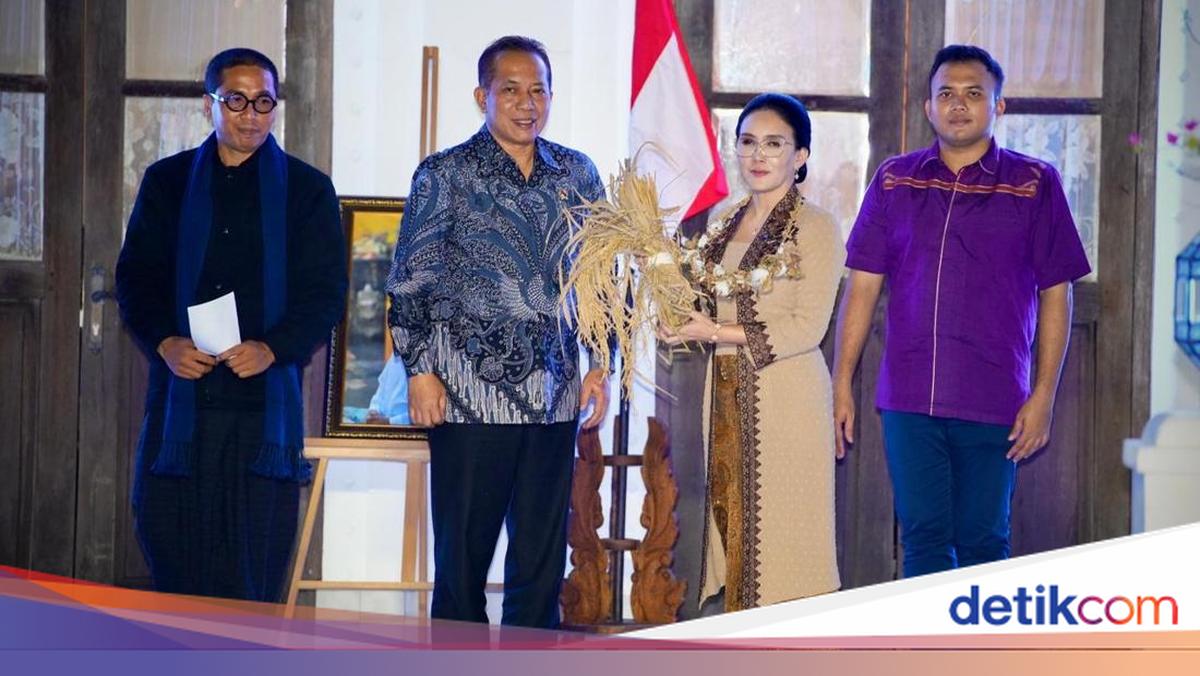
The Minister of Cooperatives, Ferry Juliantragno, has emphasised that cooperatives serve as the spearhead for implementing the Pancasila economic transformation. He noted that the ‘gotong royong’ (mutual cooperation) economic system is most aligned with the spirit and constitution of the 1945 Constitution, specifically Article 33.
“President Prabowo Subianto has expressed a strong desire to return to the Pancasila Economy. We at the Ministry of Cooperatives have been entrusted with a significant mandate because cooperatives are the vanguard of this transformation,” Ferry stated in a press release on Saturday (6/6/2026).
He made these remarks during his keynote address at the launch of the Laskar Juang Indonesia National Cooperative and a Cultural Night commemorating the birth anniversary of Bung Karno in Pitaloka Sanur, Bali, on Friday night (5/6).
Despite the noble values being promoted, Ferry acknowledged that field challenges remain significant. One major obstacle currently is the influx of imported products, ranging from fabrics to second-hand clothing. As a concrete solution, Ferry encouraged the Laskar Juang Indonesia National Cooperative to collaborate actively with the Indonesian Fashion Designers Association (APPMI) to build an independent production ecosystem.
“I am encouraging the Laskar Juang Cooperative to initiate the opening of their own cotton plantations, textile factories, and garment industries. We must be capable of producing raw materials independently through cooperative business entities,” he explained.
Echoing Ferry’s sentiments, a member of Commission XIII of the Indonesian House of Representatives (DPR RI) and Chairperson of the Laskar Juang Indonesia National Cooperative, Rieke Diah Pitaloka, stated that cooperatives are not merely venues for seeking financial profit.
“This cooperative was not born to enrich a few individuals, but to empower the people. It is an ideological tool for building economic sovereignty based on collective ownership,” said Rieke.
Utilising the momentum of Bung Karno’s birth anniversary on 6 June, Rieke recalled the Proclamator’s 1965 mandate that cooperatives serve as schools for mutual cooperation and solidarity. She asserted that cooperatives must organise farmers, fishermen, MSMEs, and the younger generation to ensure high bargaining power amidst the dominance of large-scale capital.
“Our primary target moving forward is to break our dependence on foreign nations. We must be able to produce, process, and control our own economic value chains. This is the true essence of the ‘Berdikari’ spirit—standing on our own two feet,” she emphasised.
Regarding the commitment to global markets, the regional management of APPMI Bali welcomed this creative economy movement. The newly elected Chairperson of APPMI Bali, Kadek Wira Dika, committed to bringing Bali’s traditional textiles (wastra) to the international fashion market.
“Bali bears a great responsibility to uplift local wisdom, particularly preserving and developing textiles such as endek, tenun, and songket to make them world-renowned,” Kadek Wira stated in his inaugural speech. He also expressed appreciation to Rieke Diah Pitaloka for her support and invited all designers in Bali to utilise the association as a productive platform.