
"Cooperative Compliance" and the New Era of State Revenue Strategy
The transformation of Indonesia’s tax system is entering a more mature phase. The Directorate General of Taxes (DJP) is no longer relying solely on an enforcement approach but is shifting towards a strategic partnership model with taxpayers through the cooperative compliance approach.
This shift is not merely a technical change but a reflection of the need for a more adaptive fiscal system in the face of modern economic complexities.
The implementation of cooperative compliance within the DJP has actually begun through a pilot scheme that is now being strengthened more rigorously.
The initial phase of this programme focuses on state-owned enterprise (BUMN) taxpayers registered at the Large Tax Office (LTO), with the first step involving host-to-host system integration between the DJP and taxpayers. Through this integration, the DJP gains faster and more comprehensive access to tax data to map transactions and identify state revenue potential more accurately.
The results of this pilot will serve as the foundation for expanding the application of cooperative compliance to non-BUMN corporate taxpayers. Substantively, this implementation is aimed at creating stronger legal certainty, reducing the potential for tax disputes, and lowering compliance costs, thereby transforming the relationship between tax authorities and taxpayers into one that is more collaborative and risk-based.
In this way, cooperative compliance will become a key milestone in Indonesia’s tax reform. It is not only a change in the approach to state revenue but also creates a system that is fairer, more transparent, and supportive of economic growth. Furthermore, a new era of state revenue strategy has begun through joint risk management, compliance built on partnership, and trust as the main foundation of a sustainable fiscal system.
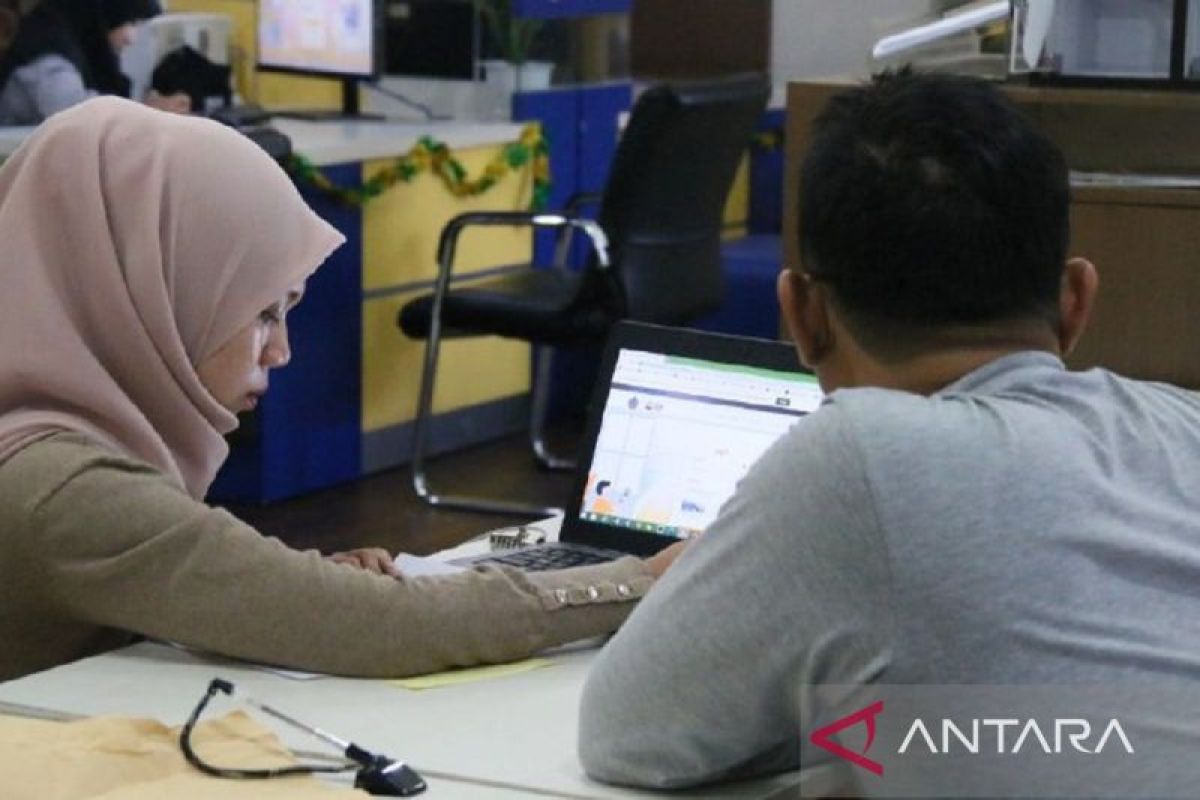
Cooperative compliance is not just a new concept. It was first introduced by the Organisation for Economic Co-operation and Development (OECD) in 2013 as a response to the limitations of traditional approaches. In this approach, tax authorities and taxpayers no longer stand on opposing sides. They sit at the same table, discussing potential risks, opening data earlier, and resolving issues before they become disputes.
Research by Goslinga (2021) shows that this model can create more positive and efficient relationships between authorities and taxpayers. Even in practice in various countries, cooperative compliance has proven to reduce compliance costs while increasing legal certainty. In the Indonesian context, an overly complex system, differing interpretations of rules, and low levels of trust have long hindered voluntary compliance.
The DJP’s step in piloting with BUMN taxpayers in the Large Tax Office (LTO) environment serves as a concrete example of how cooperative compliance is beginning to be implemented in reality. Host-to-host integration between the DJP and taxpayers opens a new era: data no longer arrives late but flows in real-time. From here, the DJP can map risks, understand transaction patterns, and identify revenue potential more accurately.
This risk-based approach is far more intelligent than the old reactive approach. Risks are no longer handled after problems arise but are managed from the start. This is like shifting from putting out fires to preventing them. Advanced countries have adopted similar models to address the complexities of the digital economy and cross-border transactions. Without a risk-based approach, the tax system will always lag behind economic dynamics.
Paradigm Shift