
Conversion to Electric Motorcycles: Is It Really More Responsive?
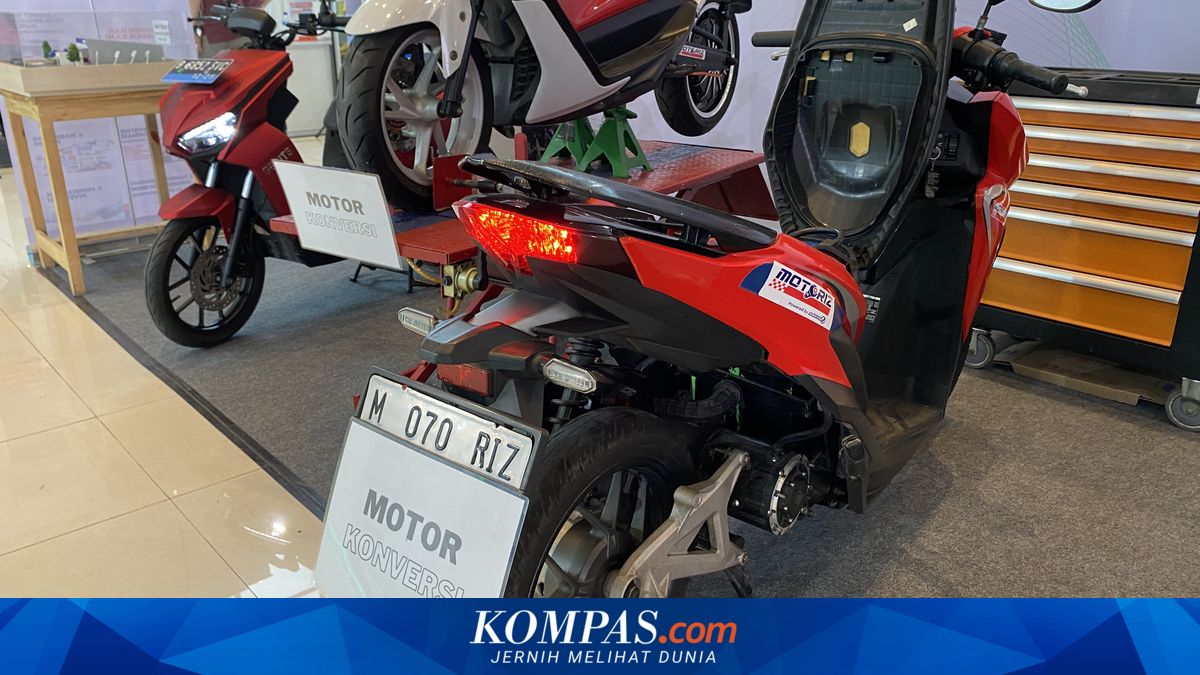
JAKARTA – Converting petrol motorcycles to electric ones is often claimed to improve vehicle throttle response. The differing characteristics of electric motors compared to conventional engines have left many users curious: is a converted electric motorcycle truly more responsive in use? According to Wahyu Budhi, Training Analyst and Technical Analyst at PT Wahana Makmur Sejati (WMS), electric motors do have an advantage in providing instant torque compared to petrol-fuelled engines. He explained that this responsiveness arises because electric motors do not require a combustion process like conventional engines. Power can be directly transmitted to the wheels as soon as the throttle is opened, making initial acceleration feel more spontaneous. Nevertheless, Wahyu cautioned that the performance of converted motorcycles cannot be generalised. Top speed and power characteristics greatly depend on the specifications of the electric motor and battery used. “Top speed very much depends on the motor specifications and system employed. So not all converted motorcycles are necessarily faster,” he stated. Besides performance, durability aspects also need attention. If the frame is no longer in prime condition, the relatively heavy battery load could potentially affect riding stability. Therefore, checking the frame structure before conversion is a step that should not be overlooked. This discussion also aligns with the government’s push to accelerate electric vehicle adoption. The government emphasises the importance of developing electric vehicles that are not only efficient but also safe and comfortable for public use. With the instant torque characteristic, converted electric motorcycles do have the potential to provide a more responsive riding sensation. However, the final outcome still depends on the quality of components and the base vehicle’s condition.