
Controversy Over Relocating Women's Carriages, as Officials Get Trapped in a "Small World"
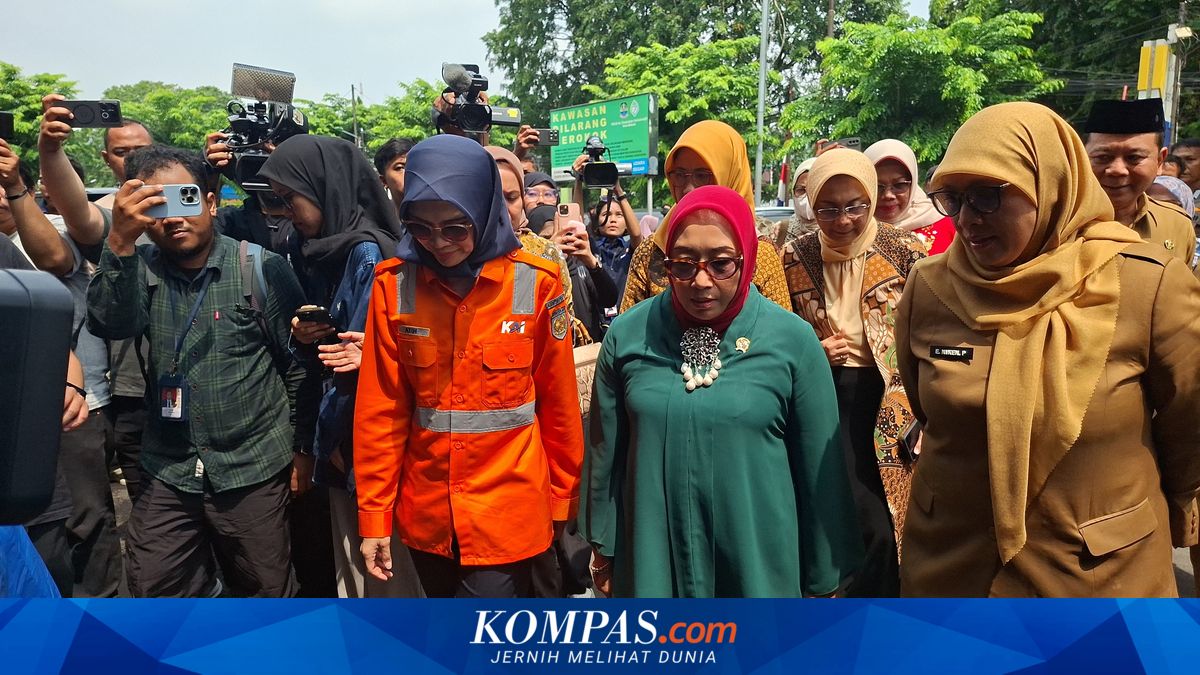
In recent weeks, our public space has frequently been coloured by statements from public officials that spark widespread discussion. From the East Kalimantan Governor’s remarks on IKN development to the Minister of Women’s Empowerment and Child Protection’s proposal regarding the reorganisation of train carriages. If we examine this more calmly, this phenomenon is not merely a matter of poorly chosen words. It is a symptom of the communication patterns of those in power that need to be realigned with the realities and broader needs of society. In information behaviour studies, there is the concept of “Small Worlds” proposed by Elfreda Chatman. This concept explains how individuals can become trapped in a homogeneous information ecosystem within bureaucratic environments. As a result, barriers emerge in understanding the complexities of reality and the sensitivities felt by the public. Examining the first case, the East Kalimantan Governor’s statement in response to the dynamics of IKN development has come under scrutiny. From the perspective of information behaviour, the use of subjective or metaphysical narratives often arises as a cognitive defence mechanism. When critical information flows from the public feel overwhelming, individuals tend to shield themselves with absolute narratives. This is an attempt to maintain stability of perspective amid information uncertainty. A similar pattern is evident in the second case, namely the proposal to relocate the special women’s carriage by the Minister of Women’s Empowerment and Child Protection. Here, we see a solution bias born from the “ivory tower” of bureaucracy. A policy that appears ideal on paper often fails to align with the direct experiences of public transport users.