
Controversy over 'Pesta Babi' Film, Puan: We Will Follow Up in Parliament
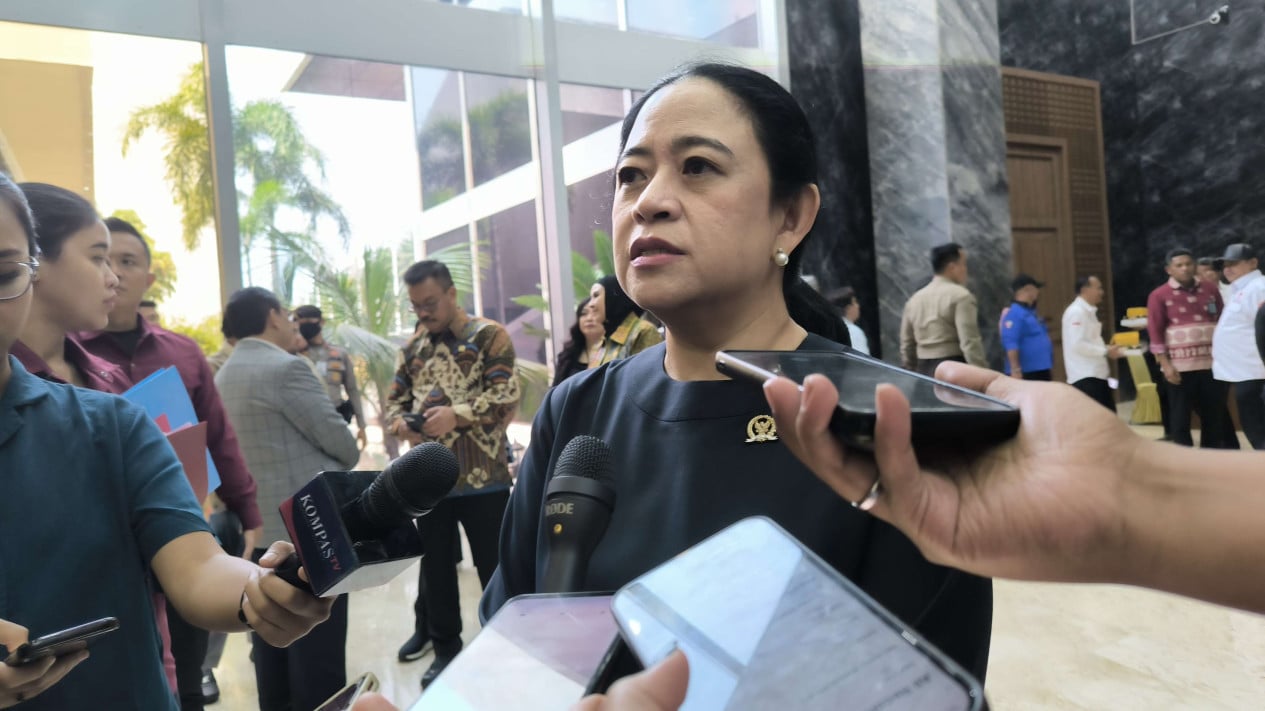
Jakarta – House of Representatives Speaker Puan Maharani admitted she is unaware of the storyline of the documentary film currently being widely discussed, ‘Pesta Babi’.
Nevertheless, she promised that her side would follow up on the issue of the disbandment of group screenings of the documentary ‘Pesta Babi’.
“I hear that the content or title of the film is certainly sensitive, and I also do not know what the film’s content is, but we will follow it up in the DPR,” said Puan to reporters at the Parliamentary Complex, Jakarta, on Tuesday, 12 May 2026.
This PDIP DPP Chairman assessed that if the content in the film has the potential to cause negative impacts or unrest in society, anticipatory steps need to be taken wisely and proportionately.
“If indeed it then creates something sensitive that is not good in society, it must of course be anticipated well,” she explained.
Nevertheless, the DPR emphasised that handling this controversy must be carried out in accordance with applicable mechanisms and provisions, including through official explanations from the relevant parties.
Therefore, the DPR plans to ask the relevant commission to summon and request information regarding the matter to obtain a clearer picture.
“However, it must be followed up properly, and therefore we in the DPR will also ask the relevant commission to request an explanation regarding this matter,” she concluded.
For information, group screening (nobar) actions for the documentary film titled ‘Pesta Babi’ by Dandhy Laksono in several regions were forcibly disbanded by the TNI and university parties.
At least there were two locations for the disbandment of the film’s nobar action at the University of Mataram (Unram), West Nusa Tenggara, as well as in Central Ternate, North Maluku.
The documentary film ‘Pesta Babi’ spotlights the disappearance of forests in Papua after being converted into industrial plantations under the name of food security and energy transition. The film also records the struggles of Papuan communities in defending their ancestral lands.
Meanwhile, Human Rights Minister Natalius Pigai asserted that the prohibition of screenings or group viewings (nobar) of the film cannot be done unilaterally without a legal basis and court decision.
According to Pigai, restrictions on film works can only be carried out through legal mechanisms regulated in legislation.