
Contrasting Styles of Two Finance Ministers, Purbaya and Sri Mulyani, in Facing Tobacco Excise Duties
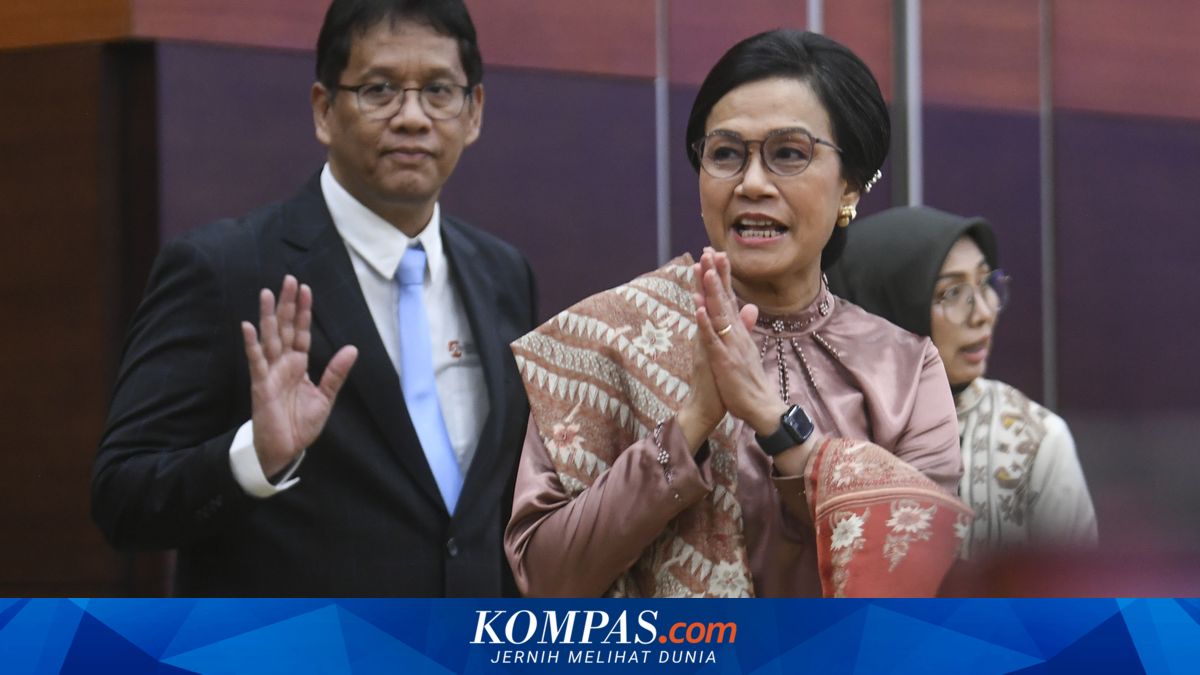
The government is demonstrating two different approaches in responding to Tobacco Excise Duty (CHT) policy, particularly between Finance Minister Purbaya Yudhi Sadewa and the previous Finance Minister, Sri Mulyani Indrawati. Purbaya tends to appear more open and responsive to on-the-ground dynamics, including criticism from regions and business actors, while Sri Mulyani is known for her consistency with a technocratic approach based on rules and fiscal prudence. At the beginning of his tenure, Purbaya immediately took steps that differed from previous policy patterns. He decided not to raise the tobacco excise duty rates in 2026, amid the trend of routine government increases in rates. That decision, according to Purbaya, considers the condition of the national cigarette industry and its impact on the workforce. He assessed that the industry’s sustainability needs to be maintained, especially amid pressures from the circulation of illegal cigarettes. “I don’t want our (cigarette) industry to die, while the illegal ones are allowed to thrive,” he said when met at the State Palace. According to him, the policy proposal has been completed and will soon be discussed with the DPR before implementation. “Soon we’ll discuss with the DPR how best, but the proposal is already finished. Hopefully, it can be accepted by the DPR, then we’ll implement it,” Purbaya said at the Attorney General’s Office on Friday (10/4/2026). He emphasised that legalisation does not mean justifying illegal practices, but rather an effort to transition so that business actors fulfil their excise payment obligations. This approach marks a policy shift from the previous one, which focused more on enforcement and controlling consumption through rate instruments. In 2024, the government set a cigarette excise rate increase of an average 10 percent for the 2023 and 2024 periods, with different details for each category. “Average 10 percent, it will then be shown with SKM I and II which will average an increase between 11.5 to 11.75 percent, SPM I and SPM II up by 12 to 11 percent, while SKP I, II, and III up 5 percent,” said Sri Mulyani on (4/11/2022). In addition, the government at that time targeted a reduction in the prevalence of smokers aged 10-18 years to 8.7 percent, in line with the National Medium-Term Development Plan (RPJMN) 2020-2024. Another consideration is the high cigarette consumption in households, which is even said to be the second largest expenditure after rice, surpassing protein consumption such as eggs and chicken.
Source: jawawa.id (https://jawawa.id/newsitem/contrasting-styles-of-two-finance-ministers-purbaya-and-sri-mulyani-in-facing-tobacco-excise-duties-1776732647)
Originally published by Kompas (https://money.kompas.com/read/2026/04/21/070311326/beda-gaya-dua-menkeu-purbaya-dan-sri-mulyani-hadapi-cukai-hasil-tembakau?utm_source=ABC&utm_medium=rss), translated from Indonesian