
Contactless Toll Payment Project Enters Pre-Trial Phase, Here's the Leak
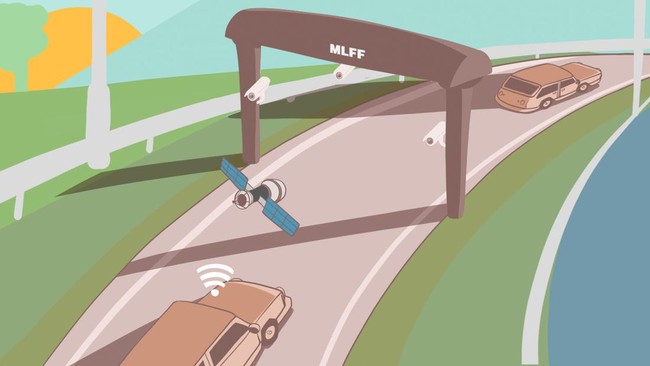
Jakarta, CNBC Indonesia - The government has assured that the implementation of the contactless toll transaction system, or Multi Lane Free Flow (MLFF), is currently still in the pre-trial stage, which includes conducting functional tests, and has not yet entered the phase of widespread trials.
The Head of the Toll Road Regulatory Agency (BPJT), Wilan Oktavian, emphasised that the development of MLFF is part of the transformation of the national toll road service system, carried out in a gradual and measured manner.
“The implementation of MLFF cannot be viewed merely as the application of technology, but as a comprehensive system transformation. Therefore, each stage must be carried out carefully to ensure the system runs optimally and does not pose risks in the field,” said Wilan on Sunday (26/4/2026).
Furthermore, Wilan explained that the development of MLFF is still in the early stage (pre-trial) before entering the more extensive trial phase.
“Currently, we are still in the pre-trial stage which includes functional tests. This stage is important to ensure system readiness before entering the trial and comprehensive evaluation phase,” he clarified.
In addition to technological aspects, user readiness is a key factor in the implementation of MLFF. Although smartphone penetration among the public is relatively high, there are still challenges related to digital literacy, technology access, and user compliance in following the applicable system.
“Adopting a new system requires behavioural readiness. Therefore, an adaptation and socialisation process needs to be prepared so that the public can use this system effectively,” added Wilan.
On the other hand, ecosystem readiness is also a primary concern for the government. Strengthening coordination continues to be carried out with the MLFF Implementing Business Entity and related stakeholders, including regulatory alignment, system integration, data security, and operational support to ensure MLFF implementation runs smoothly.
The government stressed that the success of MLFF implementation heavily depends on the synergy between technological readiness, user readiness, and ecosystem readiness. Therefore, the implementation is carried out gradually to ensure the system operates optimally and provides benefits to the public.
With this approach, it is hoped that MLFF in the future can improve traffic smoothness, travel efficiency, and the quality of toll road services in a sustainable manner.