
Consumers Reluctant to Buy New Phones, Leaving Retailers in a Difficult Position
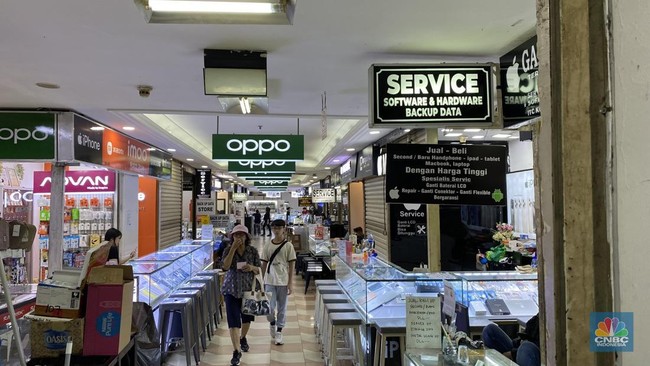
Jakarta, CNBC Indonesia — Global smartphone shipments fell sharply by 20% year on year in the third quarter of 2026. This was the lowest level for a third quarter since 2012.
According to the latest report from Counterpoint Research, the industry’s downturn was driven by a surge in memory-chip costs and a worsening shortage of components, which have placed growing pressure on phone manufacturers.
Memory prices have risen because of strong demand from artificial intelligence (AI) infrastructure projects, which are absorbing chip supplies in global markets.
The result has been soaring production costs, forcing manufacturers to take drastic steps: raise retail prices, reduce shipment volumes and prioritise profitability over sales growth.
“Consumers are holding back and using their devices for longer than expected. Many are starting to consider refurbished phones or opting for higher-value devices,” Counterpoint senior analyst Shilpi Jain said, according to Reuters on Tuesday (13 October 2026).
Samsung Remains the World’s Leading Phone Brand
Despite the industry’s difficulties, Samsung retained its position as market leader, with a 23% share. The South Korean giant’s performance was supported by strong demand for its flagship Galaxy Z Fold8 foldable series and relatively stable component supplies in the mid-range segment. Even so, Samsung’s shipment volume fell 3% compared with the same period last year.
Apple followed in second place with a 22% market share. This was the first time Apple had exceeded 20% in the third quarter, although its overall shipment volume also declined.
Counterpoint noted that the absence of a standard iPhone 18 model limited initial channel fill during the launch month compared with the full iPhone 17 line-up released the previous year.
Meanwhile, Chinese smartphone manufacturers faced a sharp setback. Shipments from OPPO and vivo fell by more than 20%.
Xiaomi was also under considerable pressure, with shipments down by more than 30%. Its market share consequently contracted to 10%. The decline followed the company’s deliberate reduction of production in the entry-level segment and cuts to expansion in several overseas markets, in order to protect profit margins.
Cloudy Outlook Through Year-End
The research firm expects pressure on the smartphone industry to persist in the near term.
“The outlook through the end of 2026 remains challenging,” Counterpoint said in its report.
“Production cuts, product-portfolio streamlining and a stronger focus on premium devices are expected to continue. Meanwhile, price-sensitive market segments will come under further pressure from higher device prices and limited component supplies,” the report concluded.
Source: jawawa.id (https://jawawa.id/newsitem/consumers-reluctant-to-buy-new-phones-leaving-retailers-in-a-difficult-position-1791874271)
Originally published by CNBC Indonesia (https://www.cnbcindonesia.com/tech/20261013110606-37-775660/warga-ogah-beli-hp-baru-nasib-pedagang-memprihatinkan), translated from Indonesian