
Consumer Trust Becomes a New Weapon for Brands Amid Declining Influencer Marketing Effectiveness
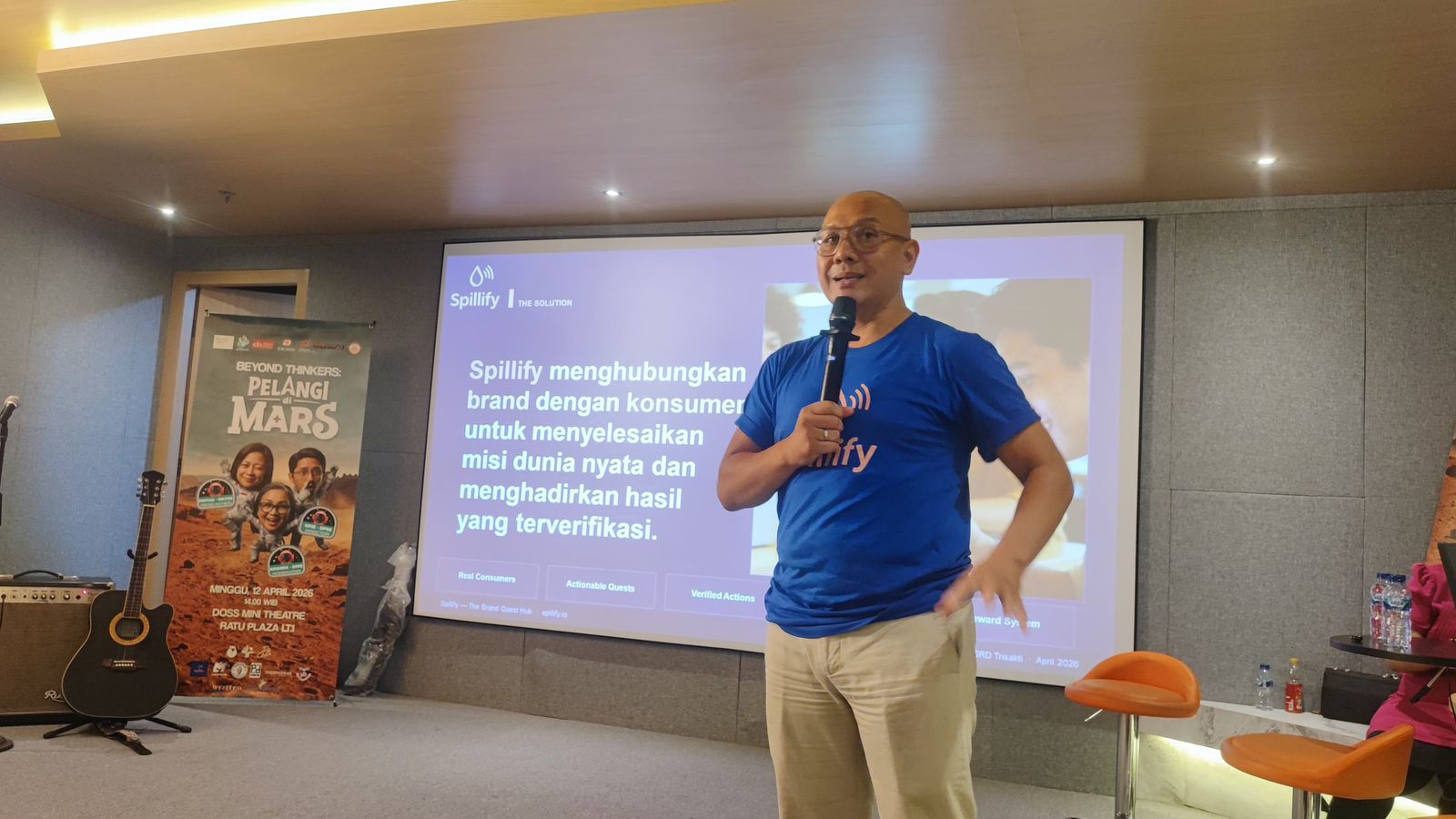
Digital marketing strategies continue to evolve alongside consumer behaviour. After more than a decade of relying on influencer marketing to reach audiences, many companies are now turning to a more authentic approach: leveraging direct consumer recommendations. This shift is driven by the rising cost of collaborating with content creators and increasingly critical public attitudes towards paid promotional content. Amid the flood of information on social media, real experiences shared by consumers are perceived as having a higher level of trust than advertisements or endorsements. This phenomenon is accelerating the growth of community-based marketing and consumer advocacy models. Several companies are beginning to redirect their focus from merely chasing reach and impressions to fostering organic conversations born from genuine user experiences. According to various global marketing studies, recommendations from acquaintances or fellow consumers remain one of the most trusted sources of information in purchasing decisions, making trust an increasingly vital asset for a brand. At the same time, the high cost of influencer marketing poses a challenge, particularly for startups and growing businesses. The effectiveness of influencer-based campaigns is also not always easily measurable in terms of direct sales increases or changes in consumer behaviour. Seeing this opportunity, local startup Spillify.io has introduced a new approach through a platform called Brand Quest Hub. The platform connects brands with consumers via various activities or ‘quests’, ranging from visiting stores and trying products to writing reviews and creating content based on direct experience. Unlike conventional endorsement models, every user activity on the platform is verified, producing measurable data and reports for the company. This approach allows brands to gather consumer insights while encouraging recommendations rooted in real experience. Co-founder and CEO of Spillify.io, Firman Natayudha, stated that the practice of recommending products has long occurred naturally in Indonesian society. ‘All this time, Indonesians have been recommending products to their friends every day for free. Spillify.io is here to change that. Now, sharing recommendations can generate income. For brands, this is not just about cost efficiency. It is about building trust that cannot be bought with paid endorsements,’ he said. He noted that consumer-based marketing models have historically lacked systems capable of managing, verifying, and measuring such activities on a large scale, despite consumers playing a crucial role in shaping a product’s reputation. This change also reflects a shifting industry perspective on consumers. Previously positioned primarily as marketing targets, consumers are now increasingly viewed as partners who can contribute to building brand credibility and growth. Enthusiasm for this approach is evident from communities joining the Spillify.io ecosystem, including a Mom Influencer community with over 10,000 members and Affiliate Muslim Indonesia with more than 10,500 members. Both communities had been actively sharing product experiences and recommendations long before a formal platform existed to facilitate such activities. Notably, prior to its official launch, Spillify.io had already attracted over 200 early users who registered organically without any paid campaigns. For the company, this achievement signals a demand for a marketing model that gives greater space to the consumer’s voice. For startups and brands with limited budgets, the community-based approach is seen as an alternative to build awareness and trust without relying on large-scale influencer campaigns. Beyond obtaining content and feedback from actual users, companies have the opportunity to generate more authentic recommendations in the market. Going forward, community-based marketing and consumer advocacy are expected to continue growing as companies increasingly need to build closer relationships with their customers. In an increasingly competitive landscape, the biggest challenge for brands is no longer simply making consumers see their products, but creating an experience good enough that consumers are willing to recommend them to others.