
Consumer spending patterns key to Harbolnas success, analyst says
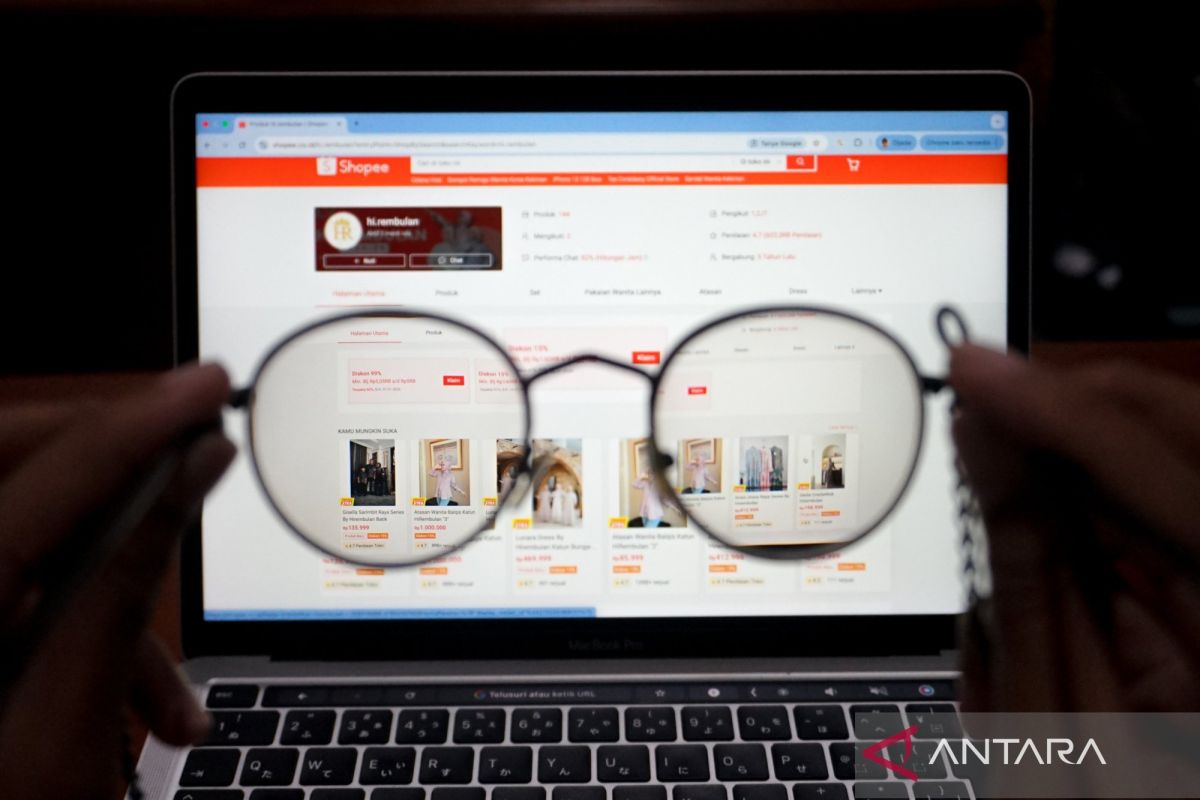
University of Indonesia economist Heru Sutadi has said that changes in consumer spending patterns are one of the factors that will determine the success of the National Online Shopping Day (Harbolnas), amid the growing number of promotional and discount programmes offered by e-commerce platforms throughout the year.
Heru said consumers are now increasingly selective in deciding what to buy, so the success of Harbolnas should be measured by the programme’s ability to meet consumer needs and preferences.
“Harbolnas indicators should be read together with the state of people’s incomes, household consumption, savings, consumer credit and the ability to buy non-essential goods. We must not let transaction figures look large while consumers are actually becoming more cautious,” Heru told ANTARA on Friday.
He said that amid pressure on people’s purchasing power, the government’s target of Rp40 trillion for this year’s Harbolnas is quite challenging and tends to be optimistic. However, the public’s increasingly selective behaviour in spending their income on e-commerce cannot automatically be interpreted as a sign that purchasing power has strengthened.
He explained that people continue to make transactions even when economic conditions are under pressure. However, spending patterns tend to shift towards being more price-sensitive and prioritising promotions.
“An increase in e-commerce transactions does not necessarily mean people’s purchasing power has improved. It could be that people are shifting from offline to online shopping, buying because of promotions, or allocating spending for specific needs,” he said.
On the other hand, Heru estimates that digitally savvy middle-class consumers, especially Gen Z and millennials, remain one of the potential segments for Harbolnas. However, the shopping character of this group is considered increasingly rational and price-sensitive.
According to him, this generation tends to be accustomed to comparing prices, searching for vouchers, using free shipping and waiting for promotional moments. But their shopping patterns will be more rational rather than merely impulsive.
According to Heru, this situation means the Harbolnas strategy needs to shift from merely driving transaction volume towards creating value for consumers and businesses. Promotional programmes should be directed at products that people genuinely need while providing greater space for local products and MSMEs.
“Daily necessities, affordable electronics, fashion, and MSME products that offer value for money are still considered to have opportunities to attract consumers,” said Heru.
Heru believes the change in consumption patterns should also be read as an opportunity for MSMEs to improve their marketing strategies. Business players cannot simply offer discounts, but need to understand consumer needs, improve product quality, strengthen services, and utilise digital channels to reach a wider market.
On the other hand, the intensity of digital promotions that take place almost throughout the year through various double-date campaigns means Harbolnas faces a challenge in maintaining its appeal. Consumers now have many opportunities to obtain discounts without having to wait for the Harbolnas moment.
Therefore, according to Heru, Harbolnas needs to offer added value that distinguishes it from routine promotional campaigns. One way is by strengthening local products and MSMEs and ensuring that increased transactions have an impact on sales and market expansion for business players.