
Consumer Behaviour Has Changed, So Mall Bosses Keep Rethinking Their Strategy
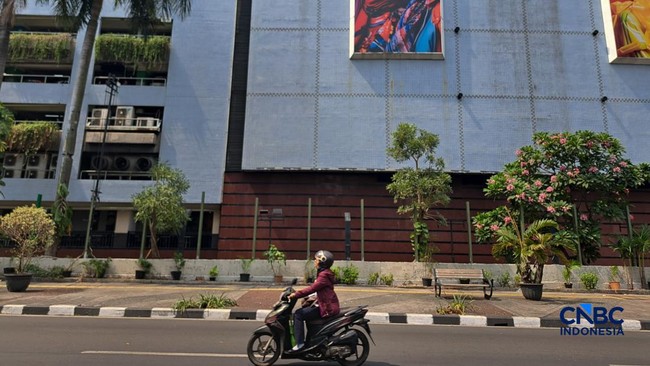
Shopping centres in Indonesia are beginning to change their strategies to attract visitors. Whereas people previously went to malls mainly to shop, operators and retailers are now seeking to draw crowds first through events, entertainment and places to meet.
Budihardjo Iduansjah, chairman of the Indonesian Retailers and Shopping Centre Tenants Association (Hippindo), said this strategy had become important because shopping was increasingly easy to do online. By contrast, the experience of meeting in person with family and friends could not be replaced by e-commerce.
“We are deliberately trying to entice people to come. We are very pleased when there are gatherings or busy events, even weddings at the mall, because afterwards people will naturally hang around, have coffee or tea, and then perhaps buy whatever they still need. Attracting people to the mall first is the right approach,” Budihardjo told CNBC Indonesia on Wednesday (11 November 2026).
He said retailers no longer had to rely solely on in-store transactions. Visitor numbers and the opportunity to introduce products were also part of the sales strategy, even if a purchase might later be made online.
“We can put products on display, and they can be bought online, or people may decide to buy them another day because they remember the shop,” he said.
Budihardjo said these changing habits were also prompting the emergence of new types of tenants in shopping centres. Businesses offering experiences, entertainment and services for communities are expected to grow.
“Retail businesses selling pet food and accessories, games, or offering places for communities to gather will grow, as will restaurants and cafés with comfortable seating, good music and a pleasant atmosphere. Entertainment such as clubs and karaoke with friends cannot be experienced online. These are the new kinds of tenants now,” he said.
He added that the shift in concept would also affect the mix of mall tenants. Hypermarkets and large clothing stores are expected to reduce their floor space, while entertainment, beauty and experience-based businesses have room to expand.
“Lifestyle, entertainment and beauty businesses are all growing. That will reduce the space allocated to large hypermarkets, but they will be supported by fast delivery services and large warehouses. Clothing shops that used to be large will become smaller, with stock held in warehouses and sales conducted through live shopping. Around 30% of the shift is now towards online,” Budihardjo said.
Alphonzus Widjaja, chairman of the Indonesian Shopping Centre Management Association (APPBI), said shopping centres needed to broaden their role beyond being places for buying and selling.
Malls, he said, should provide spaces for people to interact in person. This was their key point of difference from e-commerce.
“The main function of shopping centres is no longer simply to serve as places to shop, especially for those located in major cities,” Alphonzus said in a separate interview.
He said changes in people’s needs had become increasingly apparent after the Covid-19 pandemic. When restrictions on public activities were lifted, direct social interaction was among the things people sought most.
“After the PPKM restrictions were lifted, the first thing people sought was direct social interaction with one another, rather than in the virtual world, because that was what had been prohibited during the restrictions, which lasted for around three years,” he said.
Shopping centres therefore need to provide facilities that support these activities, such as cafés, coffee shops, restaurants, play areas, cinemas and sports facilities.
The shift is also reflected in the growing share of food and beverage (F&B) tenants in shopping centres. Alphonzus said their proportion, previously around 10%, could now reach 30%–40%.
“The role of shopping centres as social connection hubs has also changed the tenant mix, increasing the share of food and beverage businesses from around 10% to approximately 30%–40%,” he said.
With these changes, shopping centres are expected to rely less on visitors who come specifically to shop. Events and experiences are becoming a way to bring people in, while also creating opportunities for retailers to make sales.