
Constitutional Court Urged to Mandate 30% Female Quota in KPU to KPPS
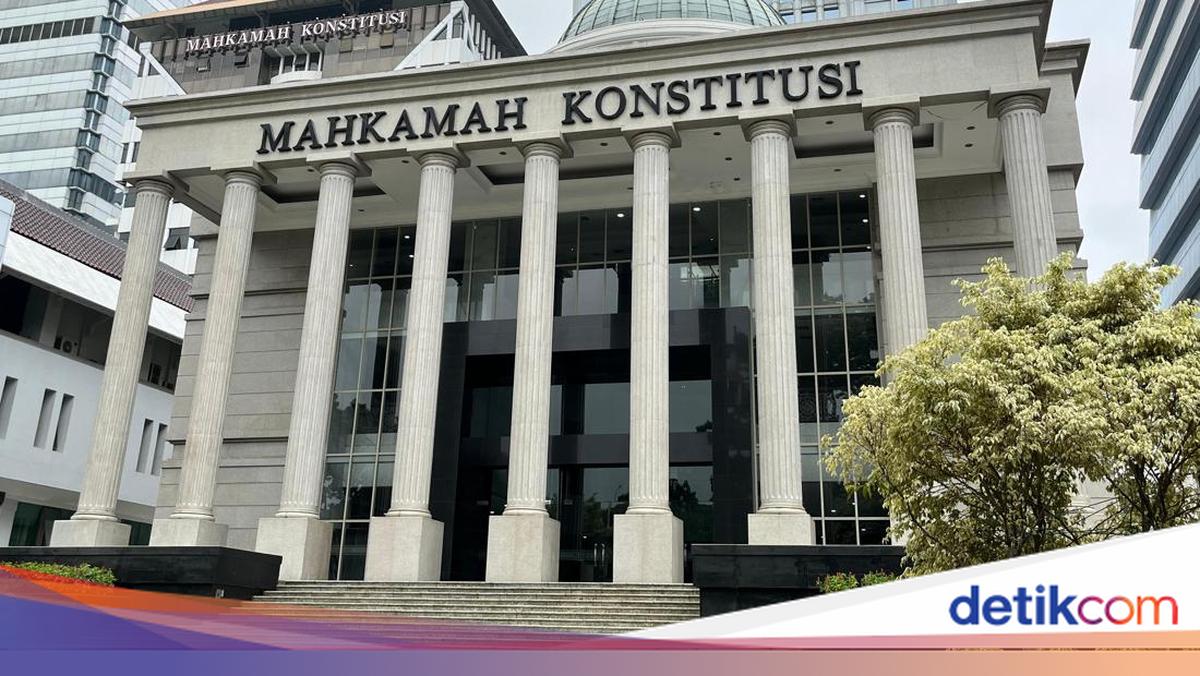
The Association for Elections and Democracy (Perludem), together with a number of citizens, has filed a challenge against the Election Law and the Regional Elections Law with the Constitutional Court (MK). They are asking the Court to mandate a minimum quota for women in election management bodies.
According to the Court’s website, viewed on Monday (13 July 2026), the petition is registered under case number 265/PUU-XXIV/2026. The challenged articles are as follows:
Law No. 7/2017 on Elections
Article 10 paragraph (7): The membership composition of the KPU, provincial KPU, and regency/municipal KPU shall pay attention to female representation of at least 30%
Article 22 paragraph (1): The President shall form a selection team of no more than 11 members, paying attention to female representation of at least 30%
Article 52 paragraph (3): The membership composition of the PPK shall pay attention to female representation of at least 30%
Article 55 paragraph (3): The membership composition of the PPS shall pay attention to female representation of at least 30%
Article 59 paragraph (4): The membership composition of the KPPS shall pay attention to female representation of at least 30%
Article 92 paragraph (11): The membership composition of Bawaslu, provincial Bawaslu, and regency/municipal Bawaslu shall pay attention to female representation of at least 30%
Article 155 paragraph (4): The DKPP referred to in paragraph (1) shall consist of 7 people comprising: (a) 1 ex officio member from the KPU, (b) 1 ex officio member from Bawaslu, and (c) 5 public figures
Article 155 paragraph (5): DKPP members from the ranks of public figures referred to in paragraph (4) letter c shall be nominated by the President (2 people) and by the DPR (3 people)
Article 164 paragraph (2): The regional examination team in each province referred to in paragraph (1) shall each consist of 4 people
Law No. 10/2016 on Regional Elections
Article 16 paragraph (3): The membership composition of the PPK shall pay attention to female representation of at least 30%
Article 19 paragraph (1): PPS members shall number 3 people
Article 21 paragraph (1): KPPS members shall number 7 people drawn from members of the community around the polling station who meet the requirements under prevailing laws and regulations
Grounds for the petition
The petitioners claim they have been harmed by the absence of a mandatory quota for women in election management bodies. According to them, a clear application of the 30% female representation concept should exist.
“Their constitutional rights have been directly and genuinely harmed by the absence of a mechanism for 30% female representation in the wording of these articles,” the petitioners stated.
The petitioners argue that the word ‘pay attention to’ in the existing articles opens the door to non-compliance with the minimum female quota in these bodies. They ask the Court to change the wording so that it becomes a binding rule.
“From a legal-linguistic perspective, the phrase ‘pay attention to’ carries far weaker normative binding force than phrases such as ‘shall include’, ‘there must be’, or ‘at least’, as used in the articles concerning affirmative action policies for female representation in election candidacy,” they said.
On that basis, the petitioners ask the Court to:
In the interim (provisional):
Grant the petitioners’ provisional request in full;
Treat the present petition as a priority for examination by the Court, in order to protect the petitioners’ constitutional rights, minimise the constitutional harm that would otherwise occur, and provide immediate certainty for the recruitment of election administrators for the 2027-2032 term, which is about to begin.
On the merits:
Grant the petitioners’ request in full;
Declare Article 10 paragraph (7) of Law 7/2017 unconstitutional and not legally binding to the extent it is not interpreted as: ‘The membership composition of the KPU, provincial KPU, and regency/municipal KPU shall include female representation of at least 30%’
Declare Article 22 paragraph (1) of Law 7/2017 unconstitutional and not legally binding to the extent it is not interpreted as: ‘The President shall form a selection team of no more than 11 members that shall include female representation of at least 30%’
Declare Article 52 paragraph (3) of Law 7/2017 unconstitutional and not legally binding to the extent it is not interpreted as: ‘The membership composition of the PPK shall include female representation of at least 30%’
Declare Article 55 paragraph (3) of Law 7/2017 unconstitutional and not legally binding to the extent it is not interpreted as: ‘The membership composition of the PPS shall include female representation of at least 30%’
Declare Article 59 paragraph (4) of Law 7/2017 unconstitutional and not legally binding to the extent it is not interpreted as: ‘The membership composition of the KPPS shall include female representation of at least 30%’
Declare Article 92 paragraph (11) of Law 7/2017 unconstitutional and not legally binding to the extent it is not interpreted as: ‘The membership composition of Bawaslu, provincial Bawaslu, and regency/municipal Bawaslu shall include female representation of at least 30%’
Declare Article 155 paragraph (4) of Law 7/2017 unconstitutional and not legally binding to the extent it is not interpreted as: ‘The DKPP referred to in paragraph (1) shall consist of 7 people, including female representation of at least 30%, comprising: (a) 1 ex officio member from the KPU; (b) 1 ex officio member from Bawaslu; and (c) 5 public figures’
Declare Article 155 paragraph (5) of Law 7/2017 unconstitutional and not legally binding to the extent it is not interpreted as: ‘DKPP members from the ranks of public figures referred to in paragraph (4) letter c shall be nominated by the President (2 people) and by the DPR (3 people), each including female representation of at least 30%’
Declare Article 164 paragraph (2) of Law 7/2017 unconstitutional and not legally binding to the extent it is not interpreted as: ‘The regional examination team in each province referred to in paragraph (1) shall each consist of 4 people, including female representation of at least 30%’
Declare Article 16 paragraph (3) of Law 10/2016 unconstitutional and not legally binding to the extent it is not interpreted as: ‘The membership composition of the PPK shall include female representation of at least 30%’
Declare Article 19 paragraph (1) of Law 10/2016 unconstitutional and not legally binding to the extent it is not interpreted as: ‘PPS members shall number 3 people, including female representation of at least 30%’
Declare Article 21 paragraph (1) of Law 10/2016 unconstitutional and not legally binding to the extent it is not interpreted as: ‘KPPS members shall number 7 people drawn from members of the community around the polling station who meet the requirements under prevailing laws and regulations, and shall include female representation of at least 30%’
Order the publication of this ruling in the State Gazette of the Republic of Indonesia as appropriate.
Or, should the panel of constitutional judges hold a different view, the petitioners request a ruling ex aequo et bono — as just as possible.
Source: jawawa.id (https://jawawa.id/newsitem/constitutional-court-urged-to-mandate-30-female-quota-in-kpu-to-kpps-1783921947)
Originally published by detikcom (https://news.detik.com/berita/d-8571582/mk-diminta-wajibkan-kuota-minimal-30-perempuan-di-kpu-hingga-kpps), translated from Indonesian