
Constitutional Court Ruling Strengthens Mining Permit Governance for Cooperatives and Mass Organisations
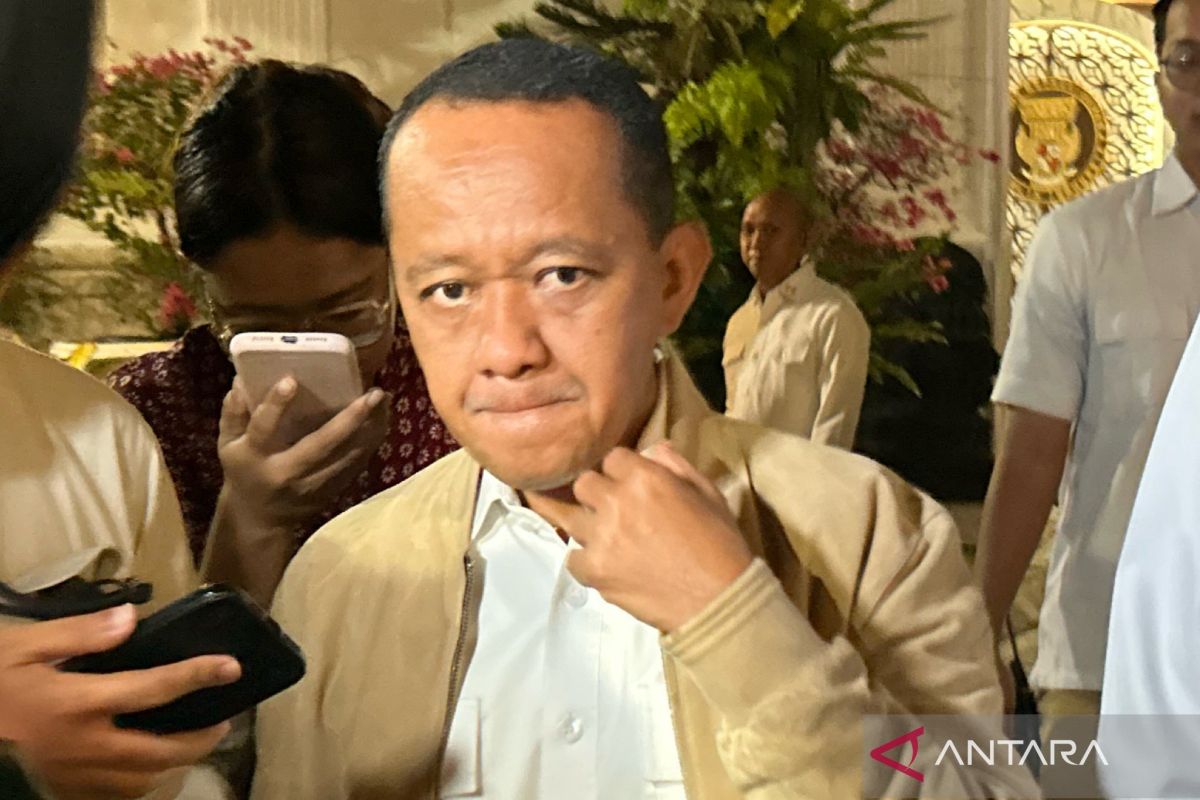
Energy and Mineral Resources Minister Bahlil Lahadalia confirmed that the Constitutional Court’s (MK) ruling on granting Mining Business Permits (IUP) to cooperatives, mass organisations, and universities encourages the government to draft implementing regulations with greater transparency and accountability. Bahlil explained that the MK ruling affirms that priority for cooperatives can still be granted, but not through a direct appointment mechanism. “The ruling states that priority remains. It cannot be a direct appointment; there must be a mechanism and rules, so we will create derivative regulations in the form of a Ministerial Regulation or Ministerial Decree,” Bahlil said at the Presidential Palace Complex in Jakarta on Monday. According to him, the government will draft a ministerial regulation or decree as an implementing rule to ensure the priority granting process adheres to good governance principles. “It does not cancel the priority, but the governance must be improved so that the principles of transparency and accountability can truly be implemented,” he said. Bahlil added that only cooperatives meeting the requirements can obtain priority to manage mines. One of the conditions is that the cooperative must be located in the mining area. Regarding mass organisations that have already obtained mining management permits, Bahlil stressed that the MK ruling is not retroactive and therefore does not affect existing permits. “No, there is none. It is not retroactive, and none of the articles under review were annulled. Nothing was annulled at all, so there is no problem. It is just to make things more transparent and accountable. That will be set out in the derivative regulations,” Bahlil clarified. The Constitutional Court officially ruled that the granting of Mining Business Permits to religious mass organisations, cooperatives, and universities cannot be carried out through a direct appointment mechanism.