
Constitutional Court ruling on female candidate quotas to be incorporated into Election Law revision
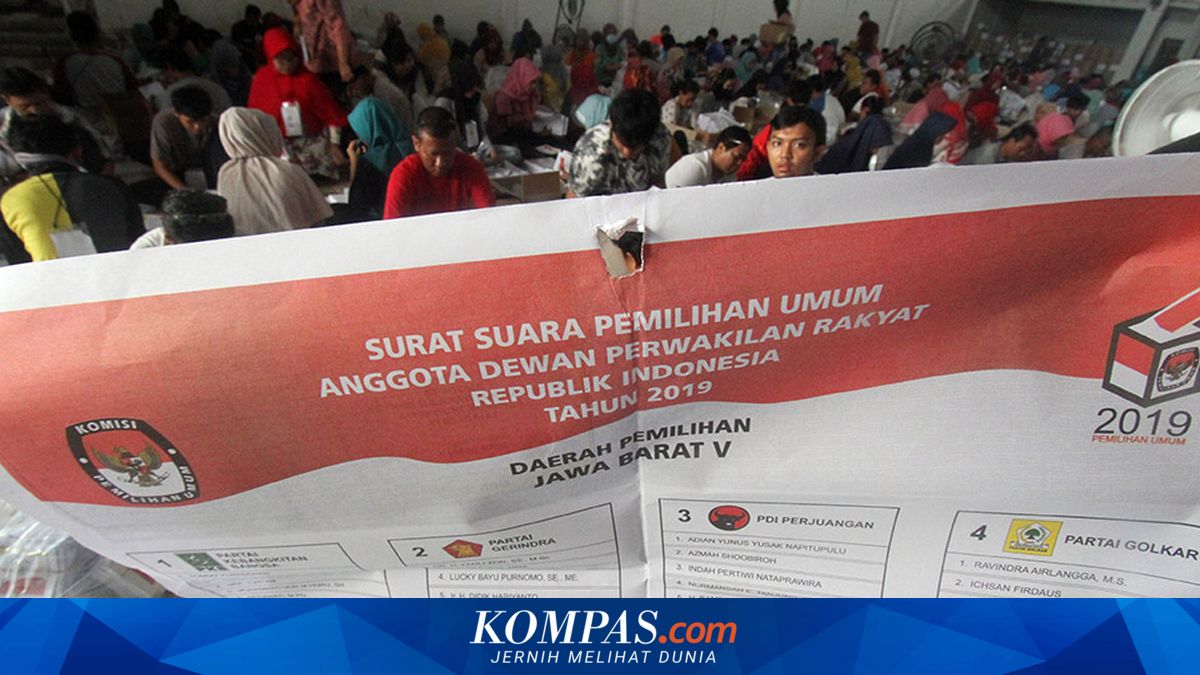
Eka Widodo, a member of the House of Representatives’ Commission II, stated that the Constitutional Court’s ruling on female representation would form part of the revision of the 2017 Election Law (Law No. 7).
This includes Constitutional Court Decision No. 128/PUU-XXIV/2026, which stipulates that the General Election Commission (KPU) at all levels may disqualify political parties failing to meet the minimum 30% female candidate quota.
“The Constitutional Court’s ruling will undoubtedly be incorporated into the upcoming Election Law revision. The PKB faction is prepared to discuss the amendments,” Eka stated in a statement, quoted on Thursday, 28 May 2026.
The PKB politician added that his party consistently meets the requirement and places female cadres in parliament.
“We prepare the best female cadres. They are not merely quota fillers but actively compete for public votes and strengthen women’s representation in parliament,” Eka said.
In the partially granted Constitutional Court Decision No. 128/PUU-XXIV/2026, the court added that the KPU at all levels may disqualify political parties not meeting the 30% female candidate threshold.
“Given that sanctions for political parties participating in elections have been effectively enforced, ensuring the spirit of Article 28H(2) of the 1945 Constitution is upheld in the composition of DPR/DPRD candidate lists, parties failing to meet the minimum 30% female quota must face strict sanctions,” said MK Justice Adies Kadir, reading the court’s considerations on Monday, 25 May 2026.
Adies explained that this clarification is necessary to realise the principle of popular sovereignty in fair electoral competition.
“Thus, the regulation concerning candidate lists requiring at least 30% female representation under Article 245 of Law No. 7/2017 must be interpreted alongside sanctions for political parties to be disqualified, thereby excluding them from electoral contests in constituencies failing to meet the requirement, as stated in the court’s ruling,” Adies said.