
Constitutional Court ruling on 30% women's quota expected to spur political parties' candidate development process
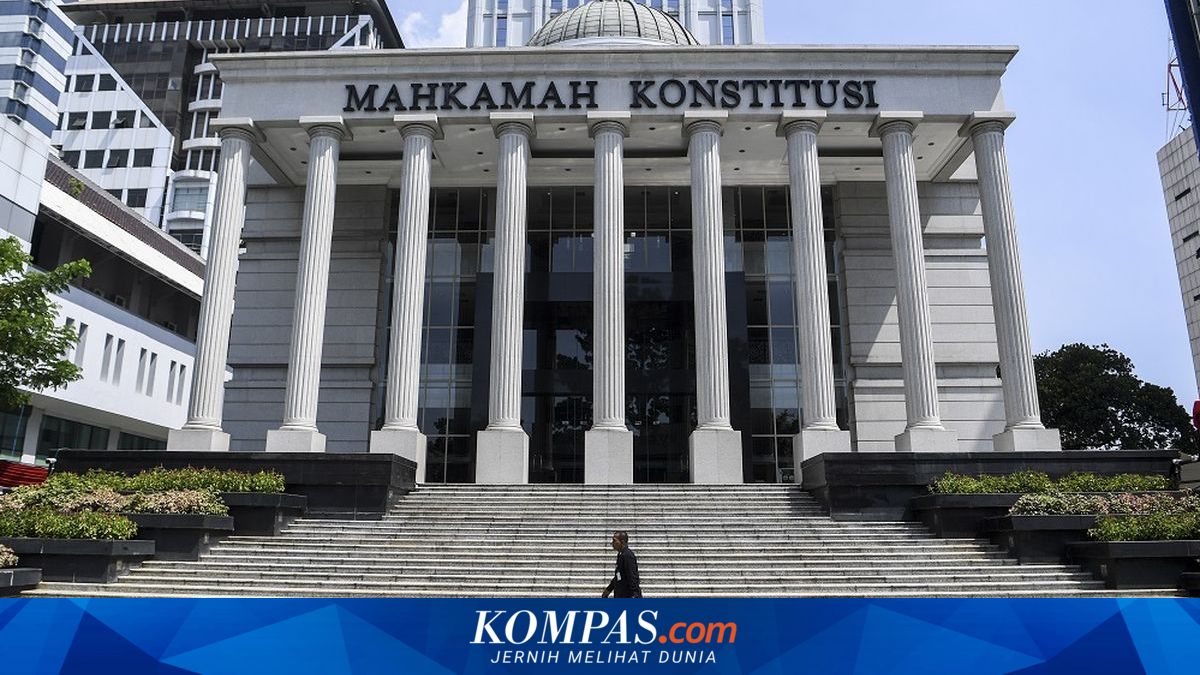
JAKARTA — The Constitutional Court’s ruling on the mandatory 30% women’s quota for legislative candidates is considered an important policy to boost active female participation in national politics.
“The Constitutional Court’s ruling should be respected as an effort to strengthen women’s representation in politics. I see the spirit as positive, pushing political parties not to treat the 30% women’s quota as merely an administrative requirement before elections, but as part of a serious and sustained political candidate development process,” said Anis Byarwati, a member of the House of Representatives from the PKS faction, in a statement on Thursday (28 May 2026).
Anis views the strict sanctions from the Constitutional Court, such as disqualification for political parties in electoral districts that fail to meet the quota, as positive.
She emphasised that the quality of democracy cannot be measured solely by formal representation figures on paper. For her, a more essential aspect is producing female figures with leadership qualities, capacity, and integrity in formulating public policy.
“Democracy requires substantive representation — women with capacity, integrity, and equal opportunities to contribute to public policy-making,” she said.
Anis assessed that the main issue is not just the 30% figure, but creating a conducive political environment for competent female leaders to emerge.
“Therefore, the real challenge is not just meeting the 30% quota, but building a political ecosystem capable of producing more quality female leaders. If achieved, this ruling will become a tool to strengthen democracy, not just enforcing administrative rules,” she said.
Regarding the sanctions for political parties in electoral districts that violate the quota, Anis understands the Constitutional Court’s reasoning that regulations need real sanctions to be enforced.
However, she noted that sanctions should be executed wisely and proportionally to maintain election quality.
“However, sanctions must be proportionate. The aim of increasing women’s representation should not result in reduced political choices for the public due to disqualified candidates in electoral districts,” Anis said.
Anis reiterated that future efforts should focus on building a continuous women’s political candidate development system, rather than merely rushing to meet formal requirements during election season.
“The main focus should be ensuring parties have sufficient time and support for continuous women’s candidate development, not just meeting candidate registration requirements,” she said.
“Ultimately, the success of this policy should not be measured by the number of parties sanctioned, but by how effectively political parties produce more quality and competitive female leaders,” Anis said.