
Constitutional Court Ruling: From Colour-Coded Labels to Consumer Protection
Imagine a consumer standing for a few seconds in front of a food or beverage shelf. They wish to purchase a product for themselves or their child. Behind the packaging, a nutrition facts table is available, but the numbers are small, the terms are technical, and sugar content must be manually read and calculated. In a fast-paced shopping environment, information that is legally available is not necessarily information that is truly usable.
This is where the issue of consumer protection becomes deeply human: it is not merely about whether information is provided, but whether consumers are able to see, recognise, understand, and utilise it before making a decision.
This issue has become increasingly significant following Constitutional Court Decision Number 10/PUU-XXII/2024. The Court partially granted the petitioners’ request. Article 7, letter b of Law Number 8 of 1999 on Consumer Protection is now interpreted conditionally, meaning the obligation of business actors to provide true, clear, honest, and adequate information includes the inclusion of colour-coded labels and symbols on the packaging of food and beverages containing sugar, salt, and fat, in addition to the obligation to provide explanations regarding use, repair, and maintenance.
This ruling is important because the Court does not interpret the word “clear” simply as the presence of text on packaging. According to the Court’s considerations, information is required so that consumers can know the contents of the food or beverage they consume and consider it effectively when making choices. Thus, consumer protection must not stop at the availability of information, but must ensure that such information can function for consumers in real-world situations.
The ruling does not stop at business actors. Article 148 of Law Number 17 of 2023 on Health is also interpreted conditionally. The central and regional governments are responsible for regulating and supervising the production, processing, and distribution of food and beverages, including mandating business actors to include colour-coded labels and symbols on packaging for products containing sugar, salt, and fat.
Consequently, the Constitutional Court’s verdict clarifies two sides of responsibility. Business actors are obliged to provide true, clear, honest, and adequate information, while the government holds regulatory and supervisory responsibilities as interpreted by the Court. Both must work in tandem so that the goal of consumer protection does not remain a mere norm, but manifests as information that the public can actually use.
This does not mean that Indonesia previously lacked regulations regarding food information. The Indonesian Food and Drug Authority (BPOM) Regulation Number 10 of 2026 concerning Nutritional Information on Processed Food Labels has already regulated the inclusion of Nutritional Information on labels. This regulation was established on 9 June 2026 and promulgated on 17 June 2026, and is currently in effect.
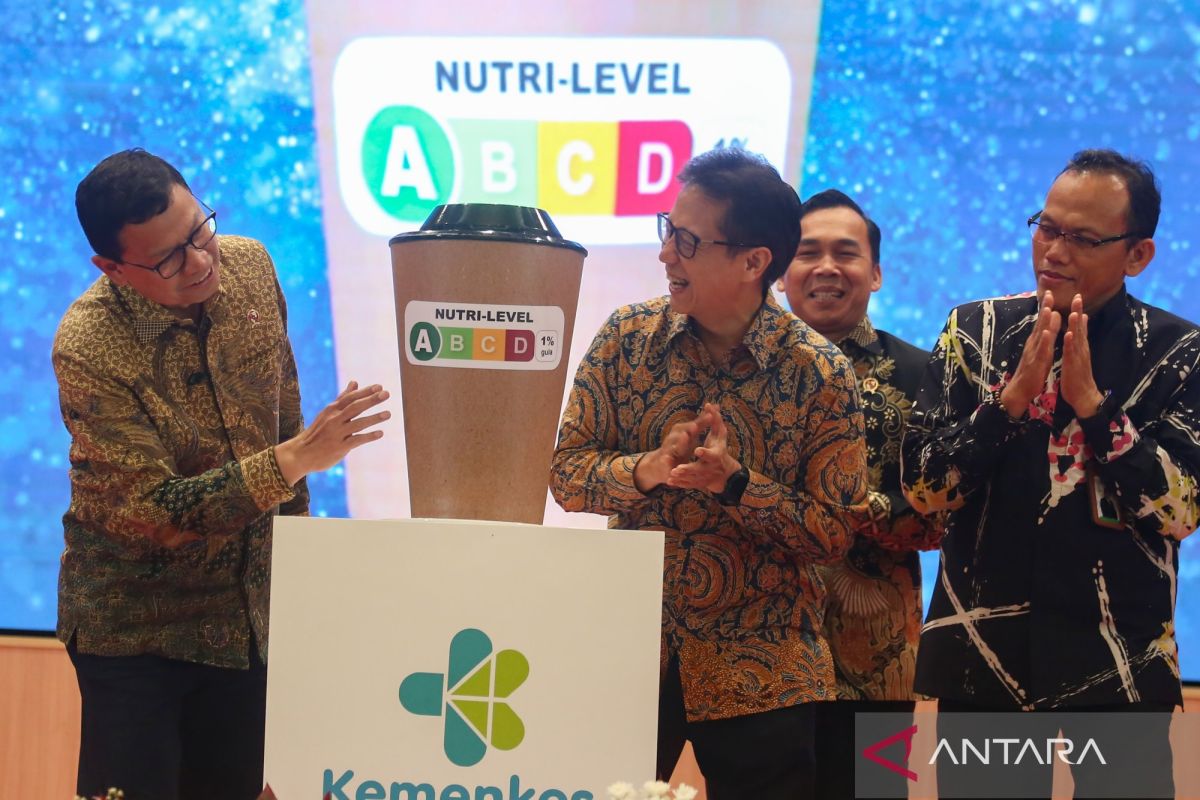
Furthermore, Article 27 regulates the inclusion of Nutritional Information on the front of packaging in the form of Nutri-Level for processed foods such as ready-to-drink beverages, powdered beverages, and concentrates in liquid or solid form. The technical provisions differentiate levels from A to D, linking them to the content of sugar, salt (as sodium), and total fat. Thus, Nutri-Level is a technical instrument already available in processed food regulations, rather than a concept that emerged only after the Constitutional Court’s decision.
The BPOM regulation provides an adjustment period of 24 months from the date of promulgation. Specifically, the implementation of Nutri-Level provisions will take place after this 24-month period. With the promulgation date of 17 June 2026, this period will conclude on 17 June 2028.