
Constitutional Court Ruling Compels Political Parties to Revise Recruitment Strategies for 2029 Elections
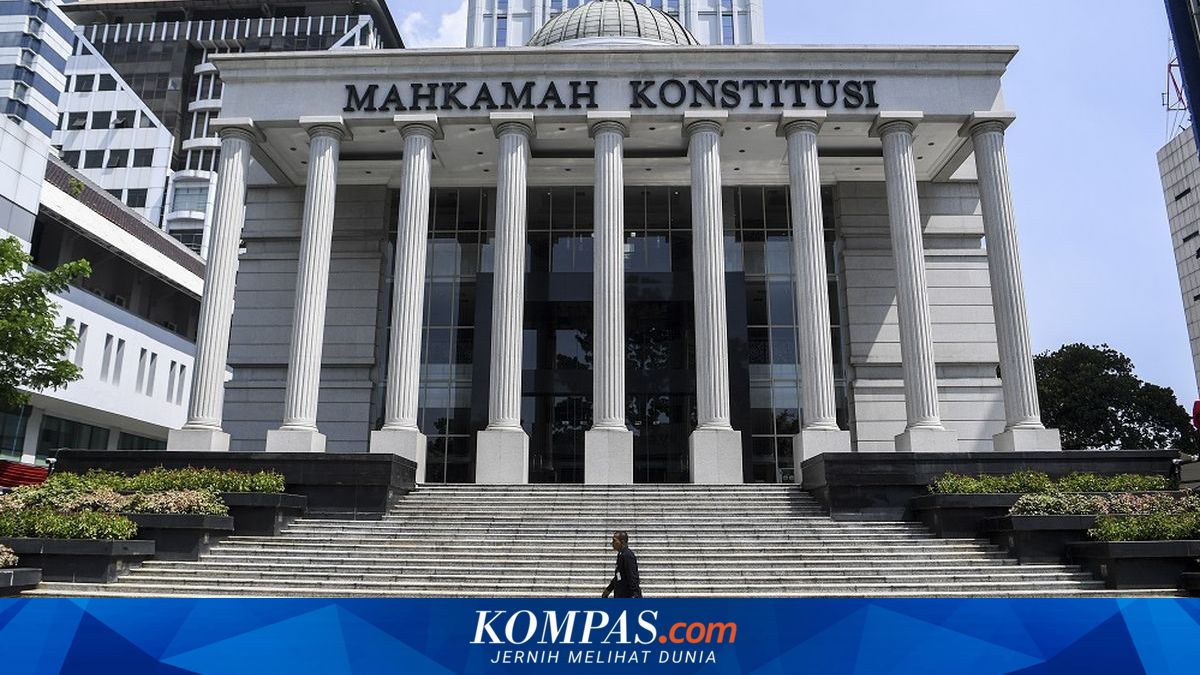
Jakarta — A Constitutional Court (MK) decision regarding sanctions for political parties failing to meet the 30 per cent female candidate quota is expected to alter political parties’ recruitment patterns in advance of the 2029 elections.
“Political recruitment will become particularly interesting in the 2029 elections. Political parties will engage in fiercer competition to attract quality female candidates,” said Andina Elok Puri Maharani, electoral law expert and public policy scholar at Sebelas Maret University’s Faculty of Law, in an interview with Kompas.com on Tuesday, 2 June 2026.
According to her analysis, the Constitutional Court’s decision transforms women’s representation from a supplementary concern into a strategic factor determining political parties’ competitive strength in elections.
“Internal party regulations must also be prepared to address technical matters in order to accommodate the new legal requirements,” she stated.
“Political parties also face the risk of losing nomination rights in an electoral district if they fail to meet the female candidate quota,” she added.
Despite numerous political parties publicly supporting the Constitutional Court’s decision, Andina contends that political support alone is insufficient without accompanying adjustments to technical electoral regulations.
“Political support is certainly positive, but it is not enough. In the electoral legal system, implementation depends heavily on operational technical regulations,” she noted.
On another front, the Constitutional Court decision is viewed as strengthening the General Elections Commission’s (KPU) position in taking administrative action against non-compliant political parties.
“The KPU also gains a stronger legal basis for disqualification without becoming trapped in administrative disputes,” she stated.
Consequently, regulatory adjustments must occur at various levels, from legislation to internal party regulations.
“Therefore, various regulations must be adjusted, from the law itself to KPU regulations, and even internal party regulations,” she explained.
She noted that previously, women candidates were frequently recruited without adequate cadre development and political education. However, the threat of sanctions and possible disqualification is expected to prompt political parties to take more serious approaches to developing female cadres.
According to Andina, this development could yield positive results as parties begin viewing female cadres as long-term political investments.
She further emphasised that political parties must consider the risk of losing opportunities to contest elections in electoral districts if they lack ready-to-compete female cadres.
“Ultimately, female cadres represent political investment, so their competence needs to be thoughtfully and continuously developed,” she concluded.