
Constitutional Court Prohibits President from Unilateral Changes to State Budget, Experts: Upholding Constitutional Mandate
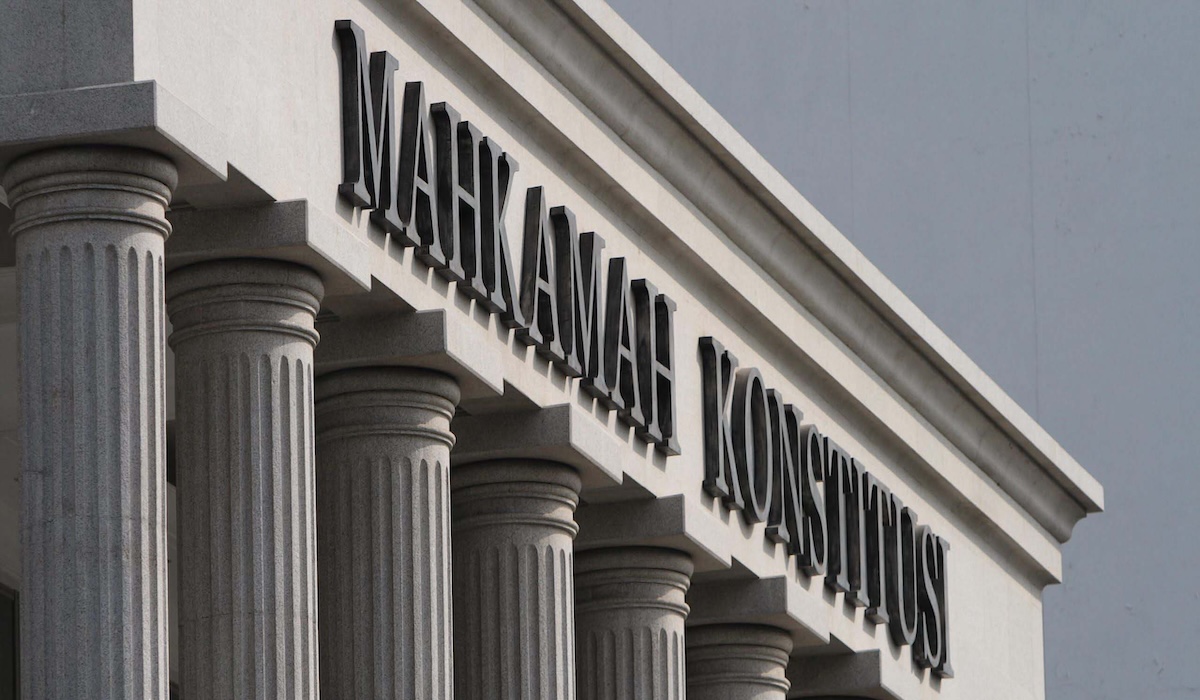
The Constitutional Court (MK) has emphasised that the government cannot unilaterally change central expenditure allocations within the State Budget (APBN). This ruling mandates that any changes to the detailed expenditure budget according to its function must obtain the approval of the House of Representatives (DPR).
Umbu Rauta, Professor of Constitutional Law at Satya Wacana Christian University (UKSW) Salatiga, appreciated the Court’s move. According to him, this decision is vital to reaffirm the mandate of Article 23 of the 1945 Constitution, which stipulates that the determination and amendment of the APBN must be discussed jointly between the President and the DPR.
“The MK decision deserves appreciation as it strives to protect and affirm the constitutional mandate. The requirement for this to take the legal form of a law ensures that the people must participate in discussions and grant approval through parliament,” Umbu Rauta stated in Jakarta on Wednesday (16/09/2026).
Decision Number 100/PUU-XXIV/2026 is the result of a material review of Law Number 17 of 2025 regarding the 2026 Fiscal Year APBN. Constitutional Judge Arsul Sani stated that the phrase in Article 8, paragraph (5), which allowed changes to be regulated merely through Presidential Regulations (Perpres), is conditionally unconstitutional. The Court assessed that such a provision ignores the principle of checks and balances.
In addition to central expenditure, the Court also highlighted the allocation of Village Funds. Constitutional Judge Adies Kadir emphasised that the central government does not have full authority to determine the direction of village fund usage without involving village governments in its implementation, in order to support sustainable development at the village level.
Regarding emergency conditions or economic crises, the Court acknowledged the need for budgetary flexibility for rapid response. However, the Court emphasised that such authority is not limitless. Adjustments to the APBN structure during a crisis still require oversight and approval from the DPR RI.
On the other hand, Umbu Rauta reminded the DPR to continue exercising its budgetary function independently, even though the majority of factions are part of the government-supporting coalition. He expressed hope that people’s representatives would remain critical and prioritise public interests over practical political interests.
This lawsuit was previously filed by the MBG Watch civil society coalition. They argued that the regulations in the 2026 Fiscal Year APBN Law previously provided too much discretionary space for the executive to overhaul national budget priorities without adequate legislative control.