
Constitutional Court Holds Judicial Review Hearing on New Criminal Code: From Presidential Defamation to Adultery
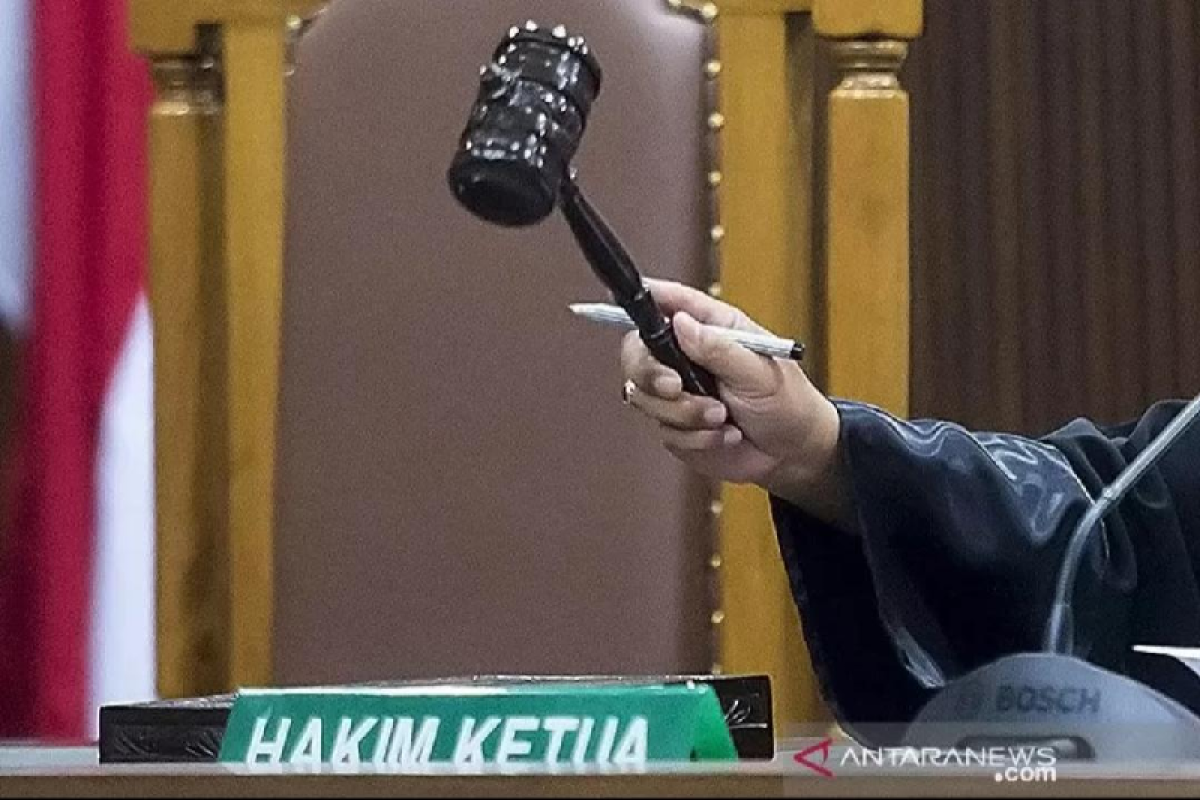
The Constitutional Court (MK) held a follow-up hearing for the judicial review of Law Number 1 of 2023 concerning the Criminal Code (KUHP) on Monday. During this session, the Court heard expert testimony regarding six petition cases submitted by various elements of society.
These six cases question several crucial articles in the new Criminal Code, ranging from regulations on national symbols and insults to the Head of State, to articles regarding adultery that are deemed to potentially violate the constitutional rights of citizens. One of the petitions discussed is Case Number 27/PUU/XXIV/2026, filed by Atrid Dayani et al., which challenges Articles 237 (b) and (c) regarding national symbols. The petitioners argue that these norms are ambiguous and risk criminalising national, academic, and cultural expressions.
Furthermore, the Court heard Case Number 29/PUU-XXIV/2026 (Zico Leonard Djagardo Simanjuntak) and Number 275/PUU-XXIV/2026 (Afifah Nabila Fitri), which highlight articles concerning the defamation of the President (Articles 218 and 264). The petitioners argue that granting special protection (privilege) to the President contradicts the principle of equality before the law as stipulated in Article 27, paragraph (1) of the 1945 Constitution.
Cases Number 280/PUU-XXIII/2025 and Number 282/PUU-XXIII/2026, filed by Susi Lestari and Tania Iskandar, focus on Article 411, paragraph (2) regarding the punishment for adultery. The petitioners believe this article creates a paradox, particularly for interfaith couples who are unable to marry officially due to regulatory hurdles. They argue the state is in a contradictory position: preventing interfaith marriage while simultaneously punishing such couples for engaging in sexual relations outside of a legal marriage. Additionally, the complaint system within this article is viewed as discriminatory, as married individuals can only be reported by their spouses, whereas unmarried individuals can be reported by parents or children, making unmarried groups more vulnerable to criminalisation.
In this series of hearings, the Constitutional Court has requested testimony from the law-makers. The Government was represented by the Deputy Minister of Law, Edward Omar Sharif Hiariej, who appeared on 9 March. Meanwhile, the House of Representatives (DPR RI), through its Expert Body Team represented by Adjie Jalu and Wildan, provided testimony on 13 April 2026.
The petitioners have appointed lawyer Priskila Oktaviani to oversee the proceedings at the Constitutional Court to ensure the protection of citizens’ constitutional rights during the implementation of the new national Criminal Code.