
Constitutional Court Affirms Direct Regional Elections by the People
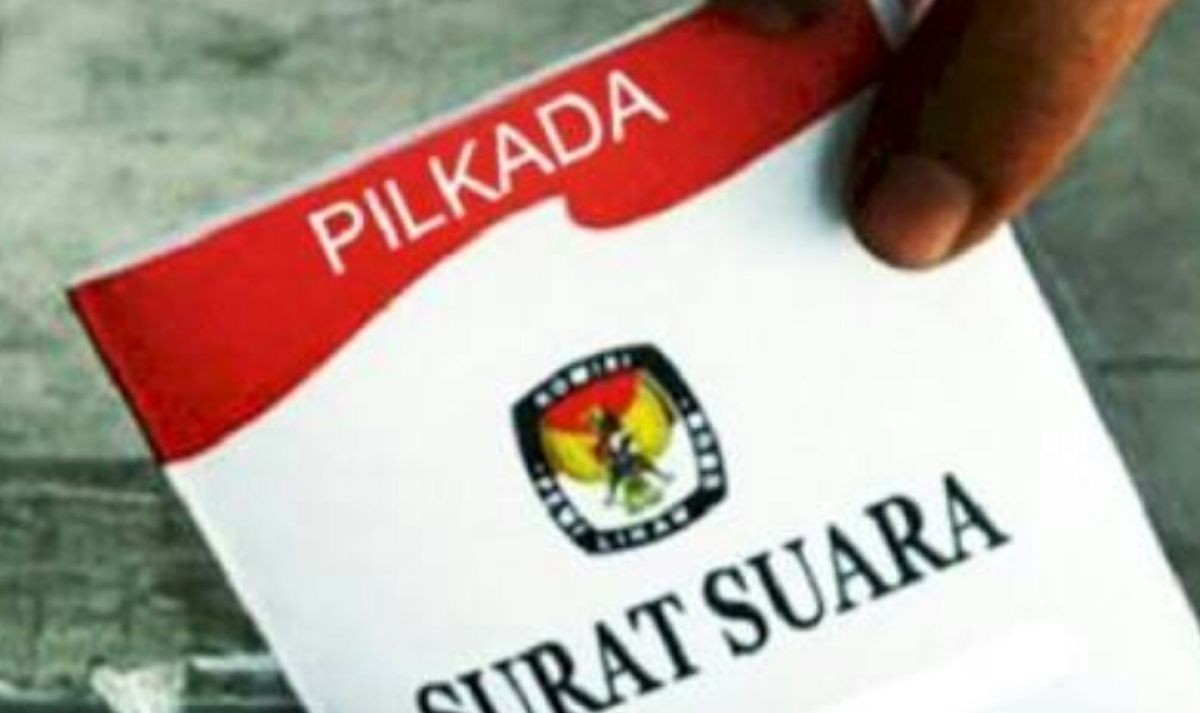
The Constitutional Court (MK) has affirmed that the mechanism for electing regional heads will remain a direct election by the people. The affirmation was delivered in a ruling on a petition for judicial review of Law Number 8 of 2015 concerning the Election of Governors, Regents, and Mayors (the Pilkada Law). Chief Justice Suhartoyo stated that the organisation of regional elections continues to be guided by applicable electoral principles, while respecting regions with special or unique status. “This is guided by the general principles of elections while still recognising and respecting local government units that are special or unique in nature,” Suhartoyo said during the pronouncement of Decision Number 195/PUU-XXIV/2026 at the Constitutional Court building in Jakarta on Monday (29/6). In its ruling, the Court declared the petition for a review of Article 1, point 1 of the Pilkada Law inadmissible. In its legal considerations, the Court assessed that the petitioners were unable to demonstrate any actual or potential constitutional loss as required in a judicial review. The Court also referred to several previous decisions, namely Decision Number 072/PUU-II/2004, 073/PUU-II/2004, 69/PUU-XXII/2024, and 110/PUU-XXII/2025. The petition was filed by four university students: Vendy Setiawan, Lala Komalawati, Susi Lestari, and Afifah Nabila Putri. They sought a review of the phrase “directly and democratically” in Article 1, point 1 of the Pilkada Law. The petitioners argued that the norm was still open to multiple interpretations, raising concerns that it could be used as a basis to change the mechanism for electing regional heads from a direct election by the people to an election by the Regional People’s Representative Council (DPRD). They assessed that such a discourse had the potential to shift the principle of popular sovereignty that had been realised through direct regional elections. Therefore, the petitioners requested a constitutional affirmation to ensure the direct election mechanism for regional heads remains guaranteed. In their petition, the students also stated that the direct regional election system was a product of reform, born as a correction to the previous mechanism of electing regional heads by the DPRD, allowing the public to participate directly in choosing their leaders.