
Consistent Public Transport Management Builds Public Trust
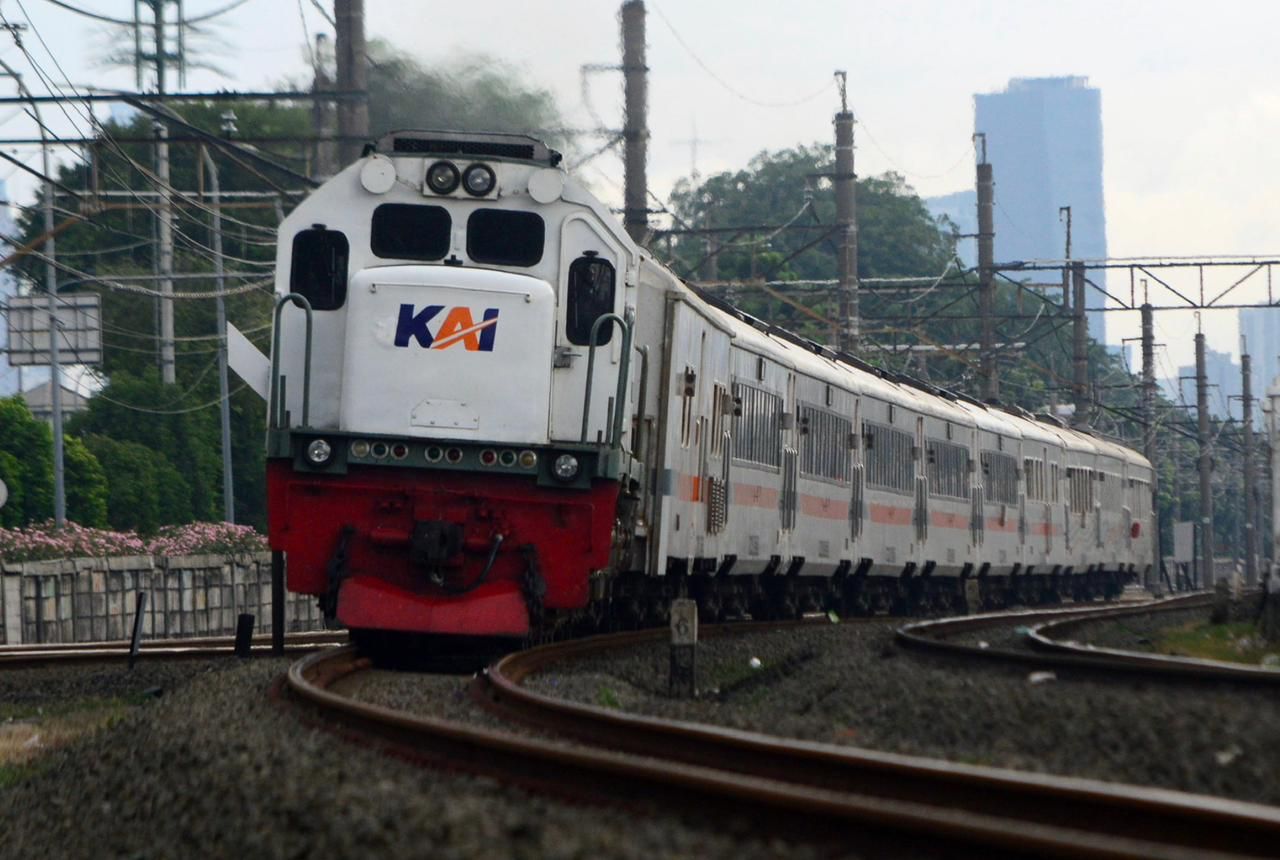
The transformation undertaken by PT Kereta Api Indonesia (Persero) in recent years is considered one of the most successful examples of public transport management in Indonesia. The consistency in providing safe, comfortable, punctual, and customer-oriented services has not only earned KAI the trust of the public but has also made it a reference point for various public service sectors.
Land transport academic and observer Djoko Setijowarno stated that KAI’s success is the result of a long-term commitment to maintaining service quality and the company’s ability to understand the needs of modern transport users. “KAI’s success demonstrates that consistent management of public transport is capable of building public trust and serving as an inspiration for many companies, not just in the transport sector,” DjOGo remarked in a recent podcast.
According to Djoko, the quality of public transport management in Indonesia is now capable of competing with several developed nations. This is evident from increasingly orderly operational systems, high levels of punctuality, and a service focus that places the customer experience as the top priority. He assessed that this success is supported not only by investments in technology and infrastructure but also by the increasing culture of discipline among the public when using public transport.
Unlike several major global cities that still face issues with passengers evading ticket payments, similar conditions are relatively rare in Indonesia. “This shows that the quality of public transport is determined not only by the operator but also by the behaviour of its users. Both support each other in creating good service,” he said.
He added that comparative studies in various countries show that Indonesian public transport services possess strong competitiveness. In fact, some available facilities are considered more capable of meeting public needs than similar facilities in other countries. One example is the presence of prayer rooms (musala) in railway stations. As the country with the world’s largest Muslim population, worship facilities are an essential part of the travel experience. KAI has successfully provided clean, accessible, and adequately capacious prayer rooms.
“Facilities like these are not widely found in other countries. The presence of representative prayer rooms shows that KAI’s service management focuses not only on operational aspects but also understands the social and cultural needs of the community,” said Djoko.
KAI also continues to strengthen service quality through various digital-based innovations. These range from the digitalisation of ticketing services and improvements to station facilities, to the ‘Female Seat Map’ feature on the Access by KAI application, which allows female passengers to choose seats adjacent to other women.
According to Djoko, these innovations show that modern public transport management is no longer merely about moving passengers from one point to another, but about creating a travel experience that is safe, comfortable, and aligned with customer needs. Furthermore, he observed that public transport management in Jakarta is now evolving into a benchmark for many local governments and transport operators across Indonesia.
The developing metro systems and service integration prove that Indonesia is capable of providing high-standard public transport services without always having to rely on foreign practices. “KAI’s services serve as tangible proof that consistently built service quality can evolve from being mere transport facilities to becoming an inspiration for various public service sectors in Indonesia,” he concluded.