
Connectivity to Seribu Islands Strengthens, Commuter Line Links Journey from Jakarta Mainland
The DKI Jakarta Provincial Government’s plan to strengthen transport services to the Seribu Islands starting in 2027 opens up greater opportunities for intermodal journeys connecting the mainland and the archipelago. DKI Jakarta Governor Pramono Anung stated that the management of sea transport to and from the Seribu Islands will be transferred to PT Transportasi Jakarta to make public travel easier and more efficient. Pramono also stressed the importance of providing equal transport access for the people of the Seribu Islands, just like other areas of Jakarta. The policy is directed so that island residents can more easily reach various areas in Jakarta, while also making it easier for people from the mainland to travel to the Seribu Islands.
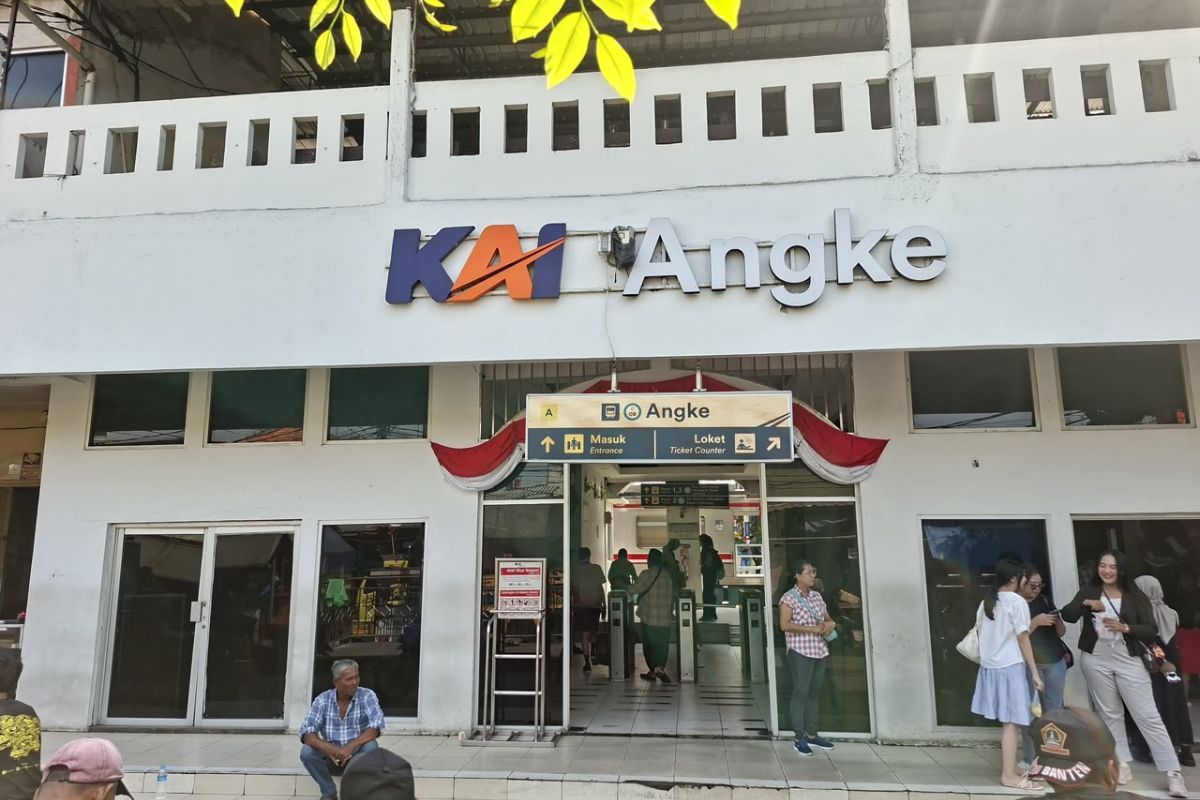
In this journey, the railway network plays a strategic role in bringing people closer to the coastal area before continuing their journey by urban transport to the port. The KAI Group, through its Commuter Line, serves customers at Angke Station and Ancol Station, two stations that can become part of the travel chain towards the North Jakarta coastal area. KAI Vice President Corporate Communication Anne Purba said the strengthening of transport to the Seribu Islands demonstrates the growing importance of connectivity between railways, road transport, and sea transport. ‘The Seribu Islands are within the Jakarta area, but their geographical character means public travel requires a change of mode. The train can play a role in the journey from various areas towards the Jakarta region, then the journey is continued by urban transport to the port and subsequently using sea transport,’ said Anne.
One travel access route is via Angke Station to Kali Adem Port in the Muara Angke area. The distance between the two is around 7–8 kilometres, allowing customers to continue their journey using urban transport to one of the main crossing points to the Seribu Islands. Meanwhile, Ancol Station is about 2–3 kilometres from the Marina Ancol area, which is also known as a departure point for marine tourism trips to various islands in the Seribu Islands. This proximity provides an alternative for people who want to build a journey using a combination of trains and connecting modes towards the marine tourism area. The role of these two stations is evident from the high volume of customer activity. Throughout January–June 2026, Angke Station recorded 1,505,477 gate-in and 1,584,099 gate-out activities, totalling 3,089,576 customer activities in six months. Activity at Angke Station also shows an increasing trend; 5,520,375 gate-in and gate-out activities were recorded in 2024, rising to 5,927,071 in 2025, an increase of 7.37 percent. At Ancol Station, 295,180 gate-in and 255,109 gate-out activities were recorded during January–June 2026, bringing total customer activity to 550,289. This figure is equivalent to about 53.4 percent of the total customer activity throughout 2025, which reached 1,030,402.
According to Anne, the large volume of public movement through these two stations shows that the Commuter Line network can become a gateway that expands public access to the coastal area of Jakarta. ‘The more choices of public transport available to reach the crossing points, the wider the public can reach the Seribu Islands. For us, connectivity means making public journeys easier from the starting point to the final destination,’ said Anne. This connectivity has a broader dimension for equitable access to mobility. The people of the Seribu Islands need easy access to reach education centres, health services, government centres, trading areas, and workplaces on the Jakarta mainland. Conversely, residents from various Jabodetabek areas have a greater opportunity to access the Seribu Islands via public transport. This series of journeys makes the function of public transport go beyond moving from one point to another. Connectivity opens up access for island communities to economic activities and services on the mainland, while simultaneously bringing the economic potential of the Seribu Islands closer to a much wider market. This benefit is increasingly important because the Seribu Islands have significant marine tourism potential. The area consists of more than 110 islands with beaches, waters, and marine ecosystems that are part of Jakarta’s natural wealth. Various destinations such as Pari Island, Tidung Island, Pramuka Island, and Untung Jawa Island are popular tourist spots. Pari Island is known for its white sand beaches and clear sea water, while Pramuka Island offers marine panoramas and a still pristine island environment. When access to these areas becomes easier, the benefits of travel can also flow further to the local community. Tourist movement supports accommodation, culinary businesses, boat rentals, tour guides, trade, local transport services, and various other community enterprises on the islands. ‘The beauty of the Seribu Islands is relatively close to the centre of Jakarta’s activity. The challenge is how to make the journey there increasingly easy. When trains, urban transport, and sea transport can be well connected, the public gains more travel options and the economic potential of the island communities also becomes more open,’ said Anne. KAI views strengthening connectivity as an important part of expanding the benefits of public transport. In an intermodal journey, each mode has its own role and continues the public’s journey. ‘The rail can be the beginning of a journey to the sea. From various areas of Greater Jakarta, people can use the Commuter Line, continue their journey by urban transport, and then cross by sea transport to the Seribu Islands,’ Anne concluded.
Source: jawawa.id (https://jawawa.id/newsitem/connectivity-to-seribu-islands-strengthens-commuter-line-links-journey-from-jakarta-mainland-1786366569)
Originally published by Antara (Indonesian) (https://www.antaranews.com/berita/5687989/konektivitas-menuju-kepulauan-seribu-menguat-commuter-line-hubungkan-perjalanan-dari-daratan-jakarta), translated from Indonesian