
Congo Ebola Outbreak: 75 Health Workers Infected, 17 Dead
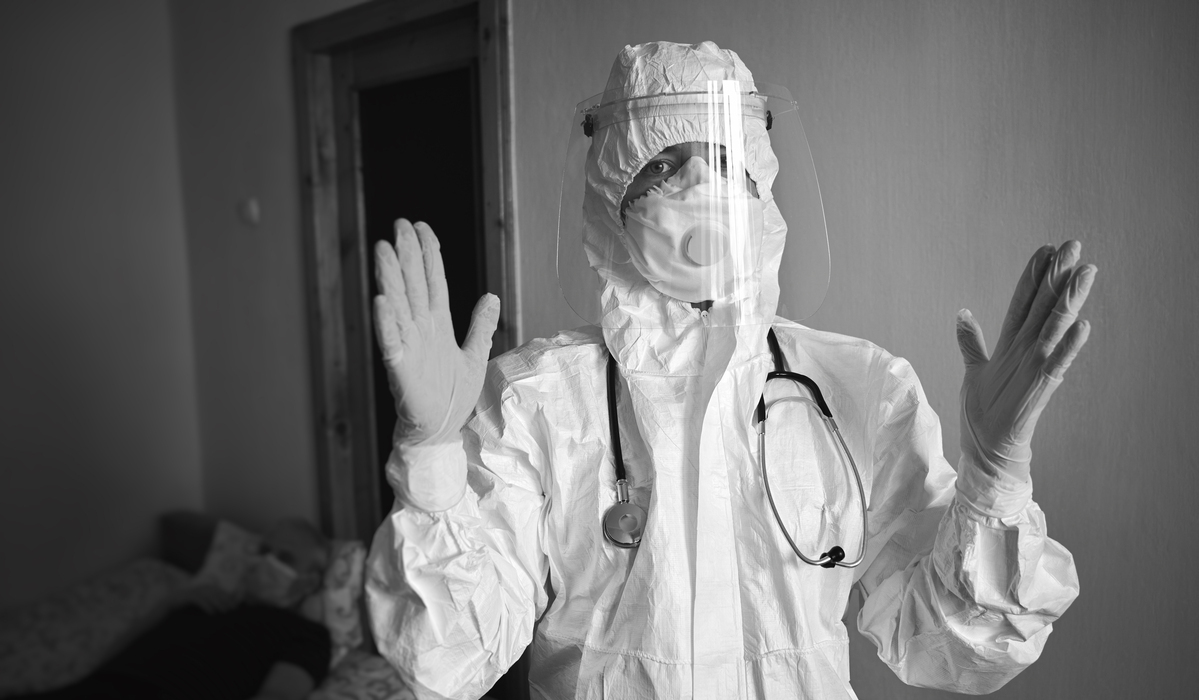
The World Health Organization (WHO) has reported an alarming situation regarding the spread of the Ebola outbreak in the Democratic Republic of Congo. A total of 75 health workers on the front lines of the outbreak response have been confirmed infected with the deadly virus, with 17 of them reported dead.
WHO’s Acting Executive Director for Emergency Response in the African Region, Dr. Marie-Roseline Belizaire, revealed that health workers are the most vulnerable group in this crisis. Based on the latest data, the fatality rate among infected medical personnel has reached 20.46 per cent.
"At the start of an outbreak, health workers will be the first to be infected. So far, we have recorded 75 health workers infected with Ebola while performing their duties," Belizaire stated during a press conference in Geneva on Friday (19/6).
Although health authorities have tightened public health protocols, the virus’s spread is reported to be expanding significantly. Belizaire added that the accelerating transmission is now recorded in 33 health zones spread across three provinces in Congo.
Data from the Congolese Ministry of Health shows the outbreak’s increasingly serious scale. To date, the total number of confirmed cases has reached 896 people, with the death toll touching 232 lives. Meanwhile, 78 patients have been reported to have recovered from the infection.
In May 2026, the WHO declared the Ebola outbreaks in Congo and Uganda a state of emergency. The UN health agency assessed the risk of cross-border spread in the region as high.
Conditions on the ground present major challenges for medical teams. Besides the high risk of infection, the speed of virus transmission demands a more massive response and stricter cross-border coordination. The WHO continues to monitor the situation’s development, given that the risk of spread to neighbouring countries is still considered very high.
Protection efforts for medical personnel are now a top priority to ensure the continuity of health services in affected areas, considering their vital role in breaking the chain of transmission in the community.