
Concerned Over Plummeting Egg Prices, MP Urges Trade Ministry to Partner with National Nutrition Agency
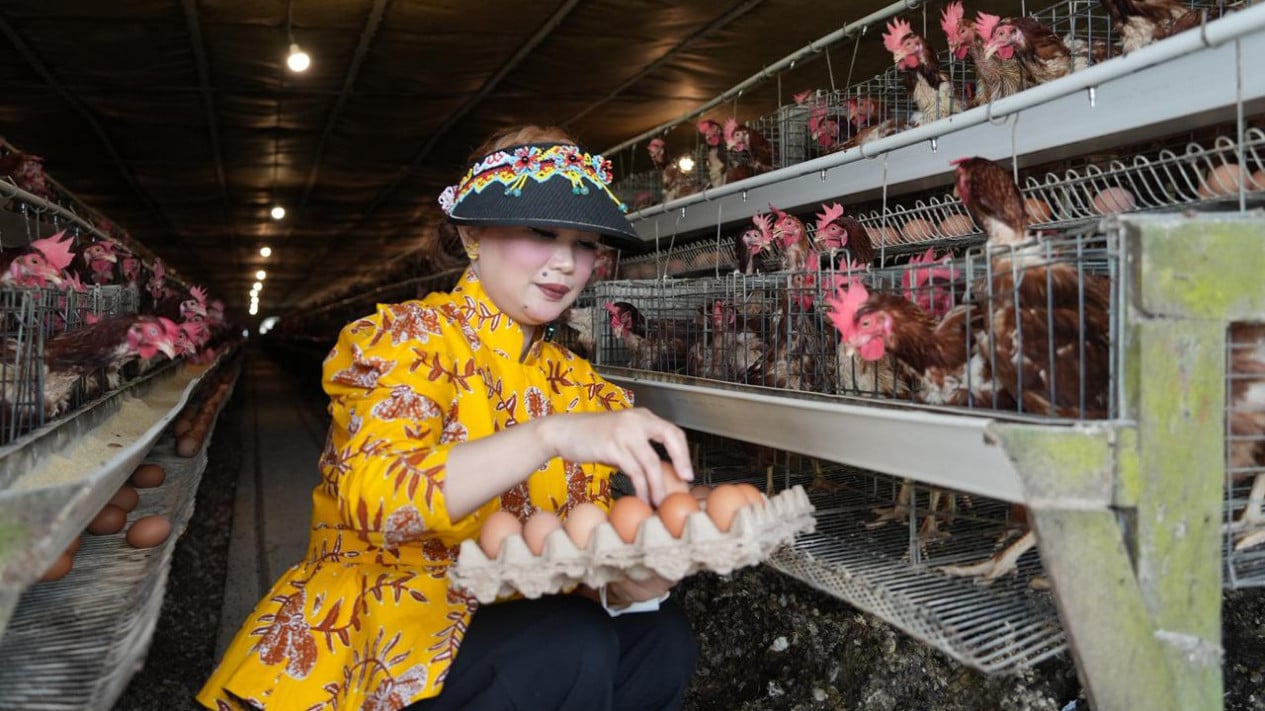
Poultry farmers in several regions face business threats due to plummeting egg prices at farm level over recent weeks. This is driven by oversupply in the market that is not matched by adequate demand and low consumer purchasing power.
DPR Commission VI member Sarifah Suraidah Harum expressed concern over the drop in egg prices, particularly at the farm level. High egg production has not been matched by sufficient market demand.
“I am concerned as this affects SMEs that sustain family livelihoods. With current egg price declines, the impact on farmers is significant. Concrete steps are needed to save their businesses,” Sarifah stated on Tuesday, 26 May 2026.
She added that while retail egg supplies are abundant, market absorption has failed to lift prices.
Egg prices plummeted earlier this month, hitting a low of Rp 20,400 per kilogram at farm level. Current prices range between Rp 22,000 and Rp 22,800 per kilogram, well below the government’s Purchase Reference Price (HAP) of Rp 26,500.
“This is a trade regulation issue that the Ministry of Trade must address urgently. As a working partner of the Ministry, Commission VI urges concrete steps to stabilise the supply chain and domestic demand for eggs. Domestic egg production is robust enough to support national food security,” she explained.
Known as Bunda Harum, she urged the Ministry of Trade to swiftly establish a strategic partnership with the National Nutrition Agency (BGN) to optimise local egg stock absorption in support of the Free Nutrition Meals (MBG) programme.
Following the guidance of the Golkar Party faction in the DPR, Sarifah called for stringent and integrated regulations to sustain the national poultry ecosystem from upstream to downstream.
“We urge the Ministry of Trade to coordinate closely with BGN to activate and direct the MBG programme to prioritise local farm stock. Saving the national poultry sector is not just about price stability but also protecting the livelihoods of millions of regional farmers,” she concluded.