
Computers Not Selling, Traders' Plight as Laptop Sales Struggle
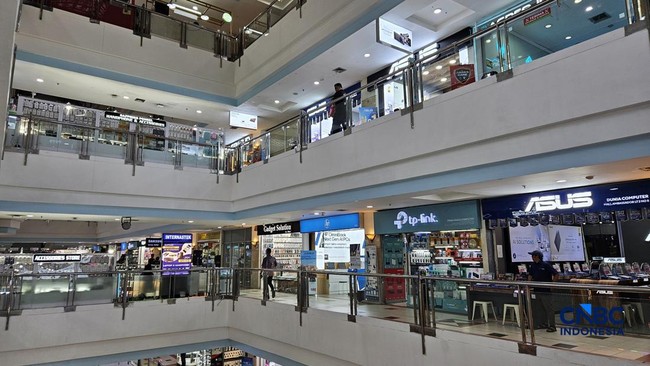
Jakarta, CNBC Indonesia - Uncertain geopolitical conditions have had a significant impact on the computer industry. The industry is now being hit by a global memory chip shortage crisis triggered by the explosive development of artificial intelligence (AI) technology.
Research firm IDC reported that personal computer (PC) shipments fell 4.9% year-on-year (YoY) in Q2 2026 to 68.2 million units. This figure marks a decline in the PC market after it had recorded growth for nine consecutive quarters.
Besides the memory chip crisis that has driven component costs higher, another factor triggering the sluggish PC market is geopolitical issues shaking the global economy.
“The core issue here is the misalignment between unit volume and revenue value. Shipment volumes are declining, yet revenue is actually increasing because vendors are implementing price increases faster than the pace of falling demand,” said Jitesh Ubrani, Research Director for Consumer Devices at IDC, as quoted from FoneArena, Saturday (15/8/2026).
Ubrani predicts the memory chip shortage crisis will not ease until early 2028. According to him, worsening macroeconomic conditions and the inventory advancement cycle could trigger a sharp slowdown in market growth rates in the second half of 2026.
PC manufacturers, including laptop makers, are also preparing to raise selling prices in 2027. Meanwhile, distributors are beginning to worry about high inventory levels for products in higher price segments.
IDC said cost pressures from the memory chip shortage could potentially slow the PC refresh cycle broadly, even amid growing interest in on-device AI processing as cloud computing costs rise.
The research firm also highlighted the continued consolidation of vendors. Giant brands such as Apple, Dell, and Lenovo are leveraging their operational scale across various related business lines—including HP and servers—to secure memory supply while squeezing smaller competitors.
“As market conditions continue to deteriorate, supply chain management is becoming increasingly crucial. Large manufacturers with high purchasing power and strong supply chain networks are in a more advantageous position than smaller competitors,” said Jean Philippe Bouchard, Vice President for Consumer Devices at IDC.
Among the Top 5 global PC manufacturers, only Apple and Asus managed to record positive growth. The top three market leaders—Lenovo in first place, HP in second, and Dell in third—experienced shipment declines compared to the same period last year.
Apple, which ranks fourth, posted a 10.1% YoY increase in shipments in Q2 2026. Asus grew slightly by 0.2% YoY and held on to fifth place.