
Comprehensive Governance Reform of Free Nutritious Meal Programme an Investment in Long-Term Human Capital
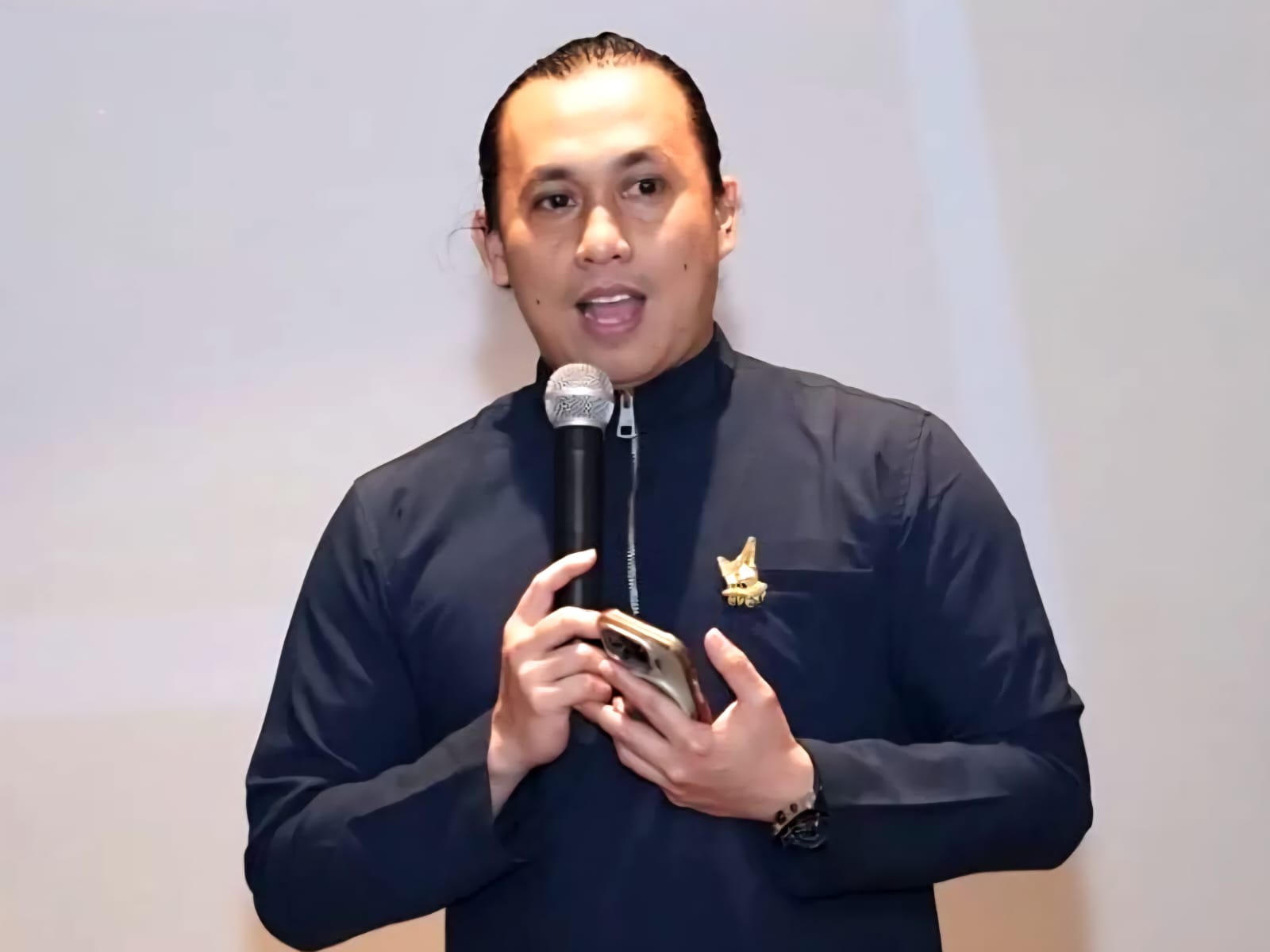
The Free Nutritious Meal (MBG) programme is considered not just a food assistance initiative, but a long-term investment that will determine the quality of Indonesia’s human resources (SDM) in the future. Therefore, the sustainability and governance of the programme must be maintained so that its benefits can be felt by future generations. This view was conveyed by culinary practitioner and lecturer for the Sarjana Penggerak Pembangunan Indonesia (SPPI) at the Defence University, Jawel Husin, known as The Singing Chef, through an open letter to President Prabowo Subianto on Sunday (14/6/2026). In his letter, Jawel emphasised that MBG is a strategic national programme with a long-term impact on national development. According to him, a country’s greatest investment is not only physical infrastructure development, but the development of human quality from an early age. “The MBG programme is the nation’s investment for the future. This programme does not only provide food, but also builds a healthier, smarter generation ready to face the challenges of Indonesia Emas 2045,” Jawel wrote. He believes the success of the MBG programme will have a significant ripple effect for Indonesia. Besides improving children’s health and nutritional quality, the programme has the potential to enhance learning ability, productivity, and the competitiveness of the younger generation in the future. However, Jawel cautioned that this long-term investment could be threatened if the programme’s governance is not carried out transparently and accountably. He expressed concern over the emergence of corruption cases involving several parties at the National Nutrition Agency (BGN). According to him, these cases not only tarnish public trust in the programme but also create anxiety among implementing partners who have invested and contributed to supporting the government initiative. “Corruption must be eradicated without compromise. However, the state must be present to protect those who work honestly and comply with the rules,” he said. Jawel noted that thousands of partners, including Nutrition Service Fulfilment Units (SPPG), foundations, MSMEs, investors, and service providers, have made significant investments to support the success of MBG. They have built production kitchens, purchased equipment, recruited workers, and established food supply chains according to government standards. He added that many business actors have even used personal savings, sold assets, or taken out bank loans because they believed in the government’s grand vision of creating a healthier and higher-quality generation. “There are those who used family savings, sold assets, even took out bank loans because they believed in the state’s grand vision. They must not become victims of mistakes made by a few individuals,” he stated. Jawel therefore urged the government to take concrete steps to restore confidence in the MBG programme, including providing legal certainty and protection to partners who have fulfilled their obligations according to the rules. He also pushed for a comprehensive overhaul of BGN’s governance through strengthened oversight systems, transparency, and accountability. He argued that the sustainability of an SDM investment programme as large as MBG can only be guaranteed if it is managed professionally and openly. “Public trust can only be built through professional, transparent, and accountable governance,” he wrote. Jawel also stressed the importance of intensive communication between the government and field implementers. The experience of SPPG operators and implementing partners provides valuable input for improving the programme. Furthermore, Jawel assessed that MBG has a broad economic impact as it creates a new ecosystem involving MSMEs, farmers, ranchers, food suppliers, and thousands of workers across various regions. Thus, the programme’s benefits are not only felt by direct recipients but also stimulate local economic activity. He asserted that the MBG programme is too important to fail, as it concerns the future of millions of Indonesian children as well as the sustainability of businesses and jobs that have grown from the programme’s ecosystem. Closing his letter, Jawel expressed confidence that President Prabowo would take the right steps to strengthen MBG governance while ensuring the programme continues to run according to its original objectives. For Jawel, the measure of MBG’s success is not merely the quantity of food distributed daily, but the quality of the Indonesian generation that will grow and develop thanks to this nutritional investment from now on. “What we are building is not just kitchens and food distribution chains. What we are building is Indonesia’s future,” he wrote.