
Comprehensive Evaluation of Free Nutritious Meal Programme: BGN Explains Budget, Portions and Menu Changes During Ramadan
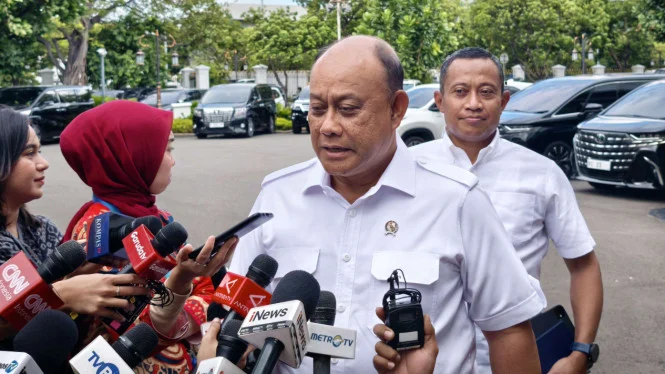
Head of the National Nutrition Agency (BGN) Dadan Hindayana conducted a comprehensive evaluation of menus and transparency regarding nutritional adequacy calculations in the Free Nutritious Meal Programme (MBG).
This was announced by Dadan during a coordination meeting with all partners and Heads of Nutrition Fulfilment Service Units (SPPG) on Tuesday, 24 February 2026.
“We want to ensure that the implementation of the Ramadan MBG remains in line with nutritional standards, is well-targeted, and is transparent in terms of budget utilisation. This evaluation is important to prevent misunderstandings in the public sphere,” said Dadan on Wednesday, 25 February 2026.
He requested that all partners pay attention to food packaging, which should no longer use simple plastic bags but must be placed in more representative containers that are hygienic and capable of maintaining food quality until received by beneficiaries.
Dadan also highlighted the composition of food ingredients to ensure compliance with the established raw material budgets.
In the discussions, it was noted that beans have a relatively higher price compared to eggs, whilst eggs are considered to have better protein credentials and are more readily accepted by the community. Therefore, partners were asked to adjust the menu composition by replacing beans with eggs without reducing nutritional value.
Dadan ensured that each SPPG would prepare detailed explanations regarding Nutritional Adequacy Numbers (AKG) and the price of each food ingredient in every menu.
The budget allocation for raw materials for toddlers up to primary school students in year 3 was set at Rp8,000 per portion, whilst for other groups it is Rp10,000. Dadan explained that this base benchmark can vary according to regional cost indices and is cost-based, so it needs to be explained transparently to the public.
In efforts to maintain food quality, each SPPG was also asked to begin procuring vacuum-sealing equipment so that food lasts longer, remains hygienic, and remains fit for consumption during distribution. This step forms part of strengthening food safety standards in the implementation of the Ramadan MBG.
Dadan also reminded partners not to force the use of raw materials that are already in poor condition.
If unsuitable materials are found, distribution can be postponed and information can be provided for replacement the following day. This policy was adopted to ensure that the safety and health of beneficiaries remains the top priority.