
Comparison of Taxes on Electric and Petrol Vehicles
JAKARTA - The comparison of taxes on electric vehicles and petrol vehicles is now no longer significantly different. Changes in regulations have increased the annual cost of electric vehicles, making the difference with conventional vehicles even slimmer, both in the premium MPV segment and city cars.
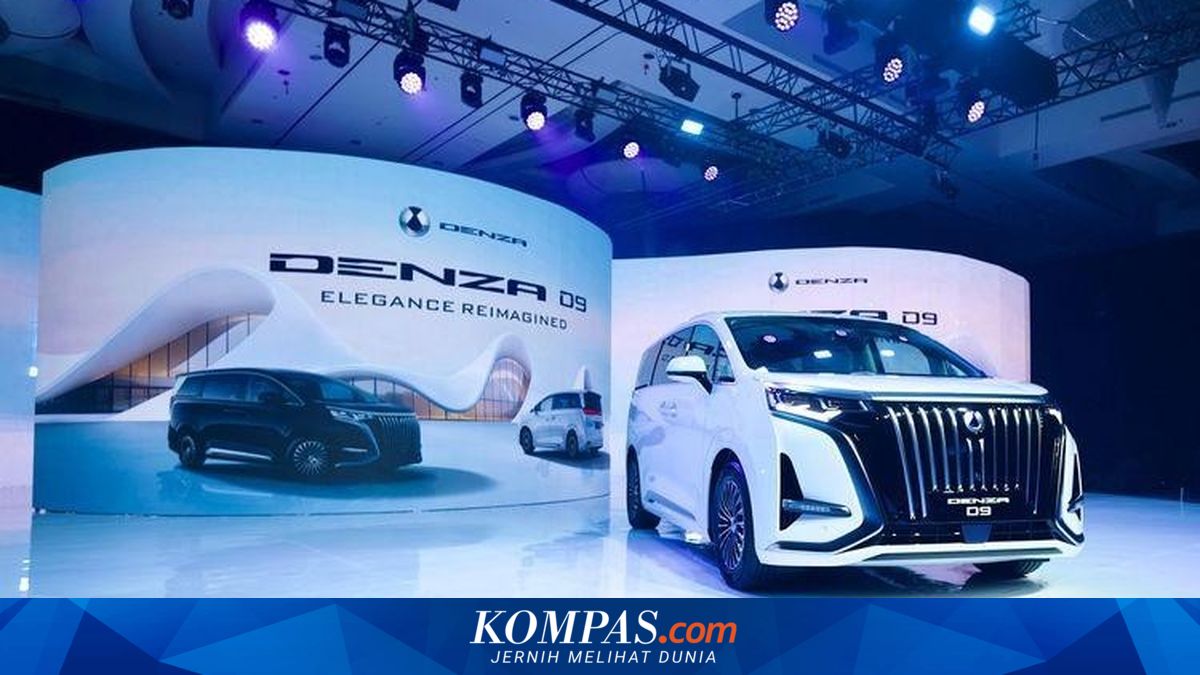
One example is seen in the Denza D9 in the premium MPV class. This electric model is marketed in Indonesia for around Rp 900 million. Previously, the annual tax for this vehicle was only about Rp 143,000 thanks to incentives.
However, if calculated without incentives based on the attachment to the Minister of Home Affairs Regulation (Permendagri) No. 11 of 2026 on the Basis for Imposition of Motor Vehicle Tax (PKB), Motor Vehicle Ownership Transfer Fee (BBNKB), and Heavy Equipment Tax, the value increases quite drastically.
Meanwhile, the all-wheel drive (AWD) variant with an NJKB of Rp 931 million has a DPP of Rp 977.55 million. With the same calculation, the annual tax is around Rp 19.55 million or approaching Rp 19.7 million per year.
In comparison, the difference is now not as wide as before with premium petrol-engined MPVs like the Toyota Alphard. For the petrol variant, the Alphard has an NJKB of around Rp 710 million. With a weight of 1.05, the DPP becomes Rp 745.5 million, so the annual tax is around Rp 14.91 million or Rp 15.05 million per year after adding SWDKLLJ.
The hybrid variant with an NJKB of Rp 767 million has a DPP of Rp 803.35 million. The annual tax is around Rp 16.06 million or about Rp 16.21 million per year after adding SWDKLLJ.
The comparison is also evident in the city car or affordable car class. The BYD Atto 1 has an NJKB of Rp 229 million. With a similar calculation, the DPP reaches Rp 240.4 million. The annual tax is around Rp 4.80 million or about Rp 4.95 million per year after adding SWDKLLJ.
As a comparison, a petrol car like the highest type Honda Brio Satya has an NJKB of Rp 153 million. After multiplying by a weight of 1.05, the DPP becomes around Rp 160 million. With a PKB rate of 2 percent, the annual tax is around Rp 3.20 million or about Rp 3.34 million to Rp 3.35 million per year after adding SWDKLLJ.
From the comparison, it is clear that electric vehicles can still be more expensive or cheaper depending on the vehicle’s value. However, it is clear that the tax difference between electric and petrol vehicles is now not as wide as before.
It should be noted that this simulation is illustrative and does not include regional incentive policies. The actual tax amount may differ because each region has the authority to determine rates, including for electric vehicles.