
Community Self-Reliance Key to 10 Urban Villages Reaching Benyamin S Award Final
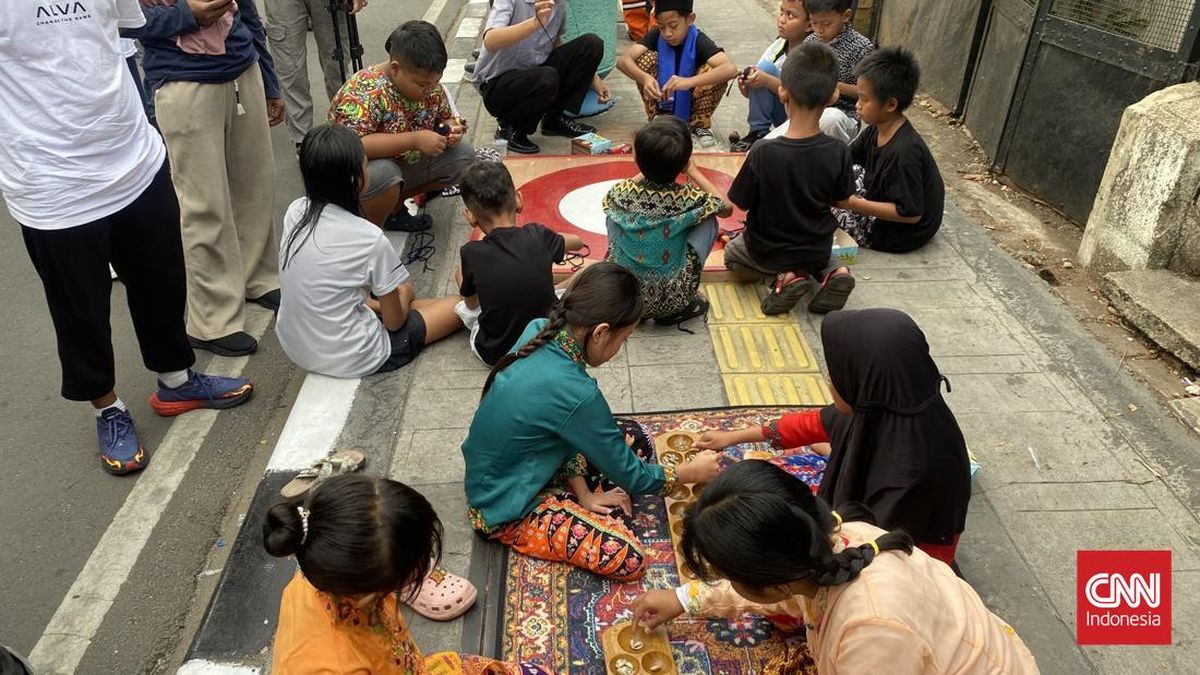
Ten urban villages in Jakarta have advanced to the final of the 2026 Benyamin S Award after passing the regional festival assessment. The events were carried out through active community participation and creative financing, without directly burdening the regional budget.
The festival assessments were held in turn, with the 10 selected finalists: Kebon Sirih, Cilandak Barat, Kebon Baru, Tamansari, Sukabumi Utara, Srengseng, Utan Kayu Selatan, Malakasari, Kelapa Gading Timur and Pulau Panggang.
The village-level festivals provided a practical platform to mobilise local economic potential, encourage innovation in environmental management and strengthen solidarity among residents at the community level.
Tona Hutauruk, Head of the Regional Cooperation Bureau at the Jakarta Provincial Secretariat, said the level of public involvement and the efficiency of financing were among the main criteria in this stage of the assessment.
“The village festival is a platform for showcasing an area’s potential, creativity and identity through collaboration. There is no direct fiscal burden, but the event can be delivered through collaboration with the community. The cohesion and active participation of residents are evident, and this is an added value stemming from creative financing, which brings residents and partners together to organise the festival,” Tona said.
Collaboration among residents has had a direct impact across various sectors. In the Thousand Islands, Pulau Panggang used its cultural festival to present local traditions in a way designed to attract tourists.
Pulau Panggang urban village head Muhammad Fakih said he was optimistic that the event could improve residents’ welfare.
“Organising an event such as the cultural festival we held is a way of showcasing local culture in Pulau Panggang. It is intended to attract tourists to the Thousand Islands. The event also improves the community’s welfare,” Fakih said.
In Utan Kayu Selatan, East Jakarta, the festival relied on cooperation among neighbourhood and community units, with residents preparing independently late into the night.
Utan Kayu Selatan urban village head Rusdi said reaching the final was the result of hard work by residents and community groups.
“The idea came from collaboration among colleagues at the urban village and city levels, the sub-district, and the neighbourhood and community units. For a week, we even worked until 11pm to put together the activities being held today. This is all down to the participation of Utan Kayu Selatan residents, for the progress and success of the area,” Rusdi said.
Malakasari, meanwhile, focused its community collaboration on developing eco-tourism through waste processing and urban farming.
Its initiatives include linking the RW 02 Waste Bank, the RW 05 Climate Village Programme (ProKlim) and an urban farming nursery at Pitaloka Park.
“Our aim through this event is to make Malakasari an eco-tourism destination. It starts with the RW 02 Waste Bank, whose products are used for urban farming. The chain runs from the RW 02 Waste Bank to ProKlim in RW 05 and then to Pitaloka Park in RW 06, which is the urban farming nursery for the whole of Malakasari,” the urban village head said.
Community-based organic waste management has also raised awareness among residents about sorting rubbish and using eco-enzyme liquid to maintain cleanliness and environmental health in residential areas. Kebon Baru is one example.
Kebon Baru urban village head Evi Erawati said residents had become accustomed to using eco-enzyme, including when gathering together. They also recognised the economic and social benefits of managing waste.
“By sorting waste, first, it can bring in money; second, our neighbourhood becomes clean, safe and peaceful. There are also fewer mosquitoes because of the eco-enzyme. We have started spraying it—for example, when residents are sitting around having coffee, we spray it and there are no mosquitoes. Our job in the administration is to help them keep sorting waste regularly and make it a habit, through to their children and grandchildren,” Evi said.
The urban village heads presented their initiatives and achievements to a panel of judges on Thursday, 15 October, during the final round of the 2026 Benyamin S Award. The final judging was based on four main pillars: cleanliness, comfort, beauty and prosperity.
Sigit Wijatmoko, Assistant for Government Affairs at the Jakarta Provincial Secretariat, highlighted the importance of urban villages in mobilising the community’s potential.
“Urban villages are not only the frontline of city government. More importantly, the Governor and Deputy Governor have said that the priority is for city government, down to the urban village level, to mobilise all the potential within their communities,” Sigit said.
The 2026 Benyamin S Award aims to encourage urban villages to become the main drivers of community potential in support of Jakarta’s competitiveness and its vision of becoming a global city.
The winner announcement and award ceremony are scheduled for 30 October, with Jakarta Governor Pramono Anung and Deputy Governor Rano Karno due to attend.
Source: jawawa.id (https://jawawa.id/newsitem/community-self-reliance-key-to-10-urban-villages-reaching-benyamin-s-award-final-1792317038)
Originally published by CNN Indonesia (https://www.cnnindonesia.com/nasional/20261018155631-25-1416745/kemandirian-warga-kunci-10-kelurahan-tembus-final-benyamin-s-award), translated from Indonesian