
Common Sunscreen Use Mistakes Still Common Among Indonesians
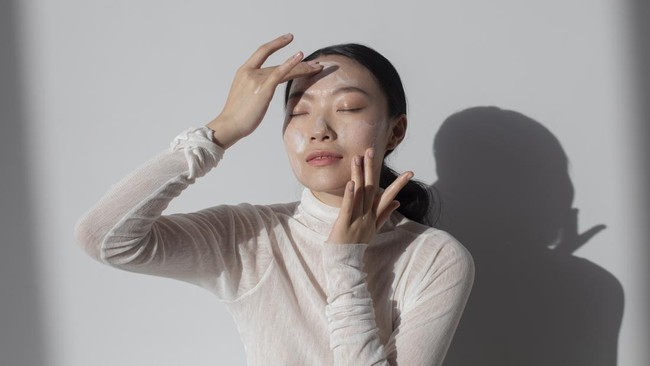
Jakarta, CNBC Indonesia - Indonesians’ awareness of sunscreen usage has risen in recent years. Sunscreen has become a ‘must-have’ for many Indonesians before they go about their day. Dr. Eddy Widjaja, director of Eva Mulia Clinic, cautions that choosing sunscreen cannot be driven by viral trends or by chasing high SPF numbers alone. He says that many people still believe that the higher the SPF, the better the protection. This is not always true. ‘Not to say high SPF is the best protection. What matters is that it suits the skin and is used according to need,’ he told reporters at Eva Mulia Clinic Prority Tebet on Friday, 22 May 2026.
He explained that SPF or Sun Protection Factor actually indicates how long the skin is protected from sun exposure before turning red or burning. He gave a simple example: a person whose skin usually reddens after one minute in the sun could stay protected longer by using sunscreen with SPF 30 or SPF 50. ‘But the question is, will they stay in the sun that long? If you’re just crossing or doing ordinary activities, SPF 30 is already quite decent,’ he said.
Indonesians typically have sawo matang skin and are relatively more resistant to sun exposure than people in some other countries. Still, skin protection remains important, especially with extreme heat becoming more common. ‘Indonesia’s UV index is fairly high. So avoid unnecessary exposure, wear clothes that cover up, and use sunscreen,’ he said.
Beyond SPF, Dr. Eddy also reminded that not all sunscreens suit everyone. He noted that one common misstep is forcing use of a product simply because it’s viral or considered the best. ‘Sometimes patients say this sunscreen is too heavy, causes breakouts, or irritates. So we look for one that fits,’ he said. Signs that sunscreen is not suitable usually appear as redness, pain, sensitivity, or pimples. ‘They vary from person to person. Some turn red immediately, some get irritation, some develop pimples,’ he added.
Eva Mulia Clinic doctor, Dr. Lie Man, also warned people not to be swayed by instant products that promise glowing skin in days. ‘If you talk about instant products, the brightness is usually fast. In a few days or a week you’re very glowing,’ said Dr Lie. But she said this can be a sign of overuse or over-treatment. ‘The signs are skin becoming easily sensitive, turning red easily, rashes or pimples appearing,’ she said.
In the long term, using products with unclear ingredients can even damage the skin barrier and lead to ochronosis, i.e., skin darkening with a metallic-like colour due to excessive use of certain ingredients. ‘The most dangerous risk, of course, is skin cancer,’ added Dr. Eddy.
Reapply Is the Key
In addition to choosing a suitable sunscreen, doctors emphasise the importance of reapplication. Many people feel safe simply because they apply sunscreen once in the morning. ‘If you’re outside from morning to evening, a single application is not enough,’ said Dr. Eddy. He said reapplication does not always require a full cleanse; in certain conditions, the face can be lightly cleaned of sweat before reapplying sunscreen. ‘The important thing is to clean properly when you get home,’ he added.
Currently, according to Dr. Eddy, the sunscreen spray trend is growing because it is considered more practical to use over makeup.
During the same occasion, Dr. Eddy also reminded that skin health must start with a healthy lifestyle, not just skincare or treatments. ‘The order is to live healthily first, then basic skincare like sunscreen and moisturiser, and only if necessary, treatment.’
Skin-care trends are no longer chasing a ‘fake’ look
Dr. Eddy said changes in skincare trends have been felt in recent years as public awareness of skin health grows. ‘In the past, Eva Mulia was known for curing acne. But now patients want to look prime all the time,’ he said. He notes that from 2010 to 2015 aesthetics trends were dominated by fillers, thread lifts, and botox. But trends are shifting toward more natural results. ‘Now people don’t want too much change. They want natural.’
He says the latest trends focus more on skin quality, such as the use of skin boosters, hyaluronic acid, and even salmon DNA to keep skin healthy and looking fresh. ‘The skincare trend in the future, he says, will likely move toward natural, healthy, and age-appropriate results, not drastic changes in appearance.’