
Commissioner states EU needs NATO, must increase defence responsibilities
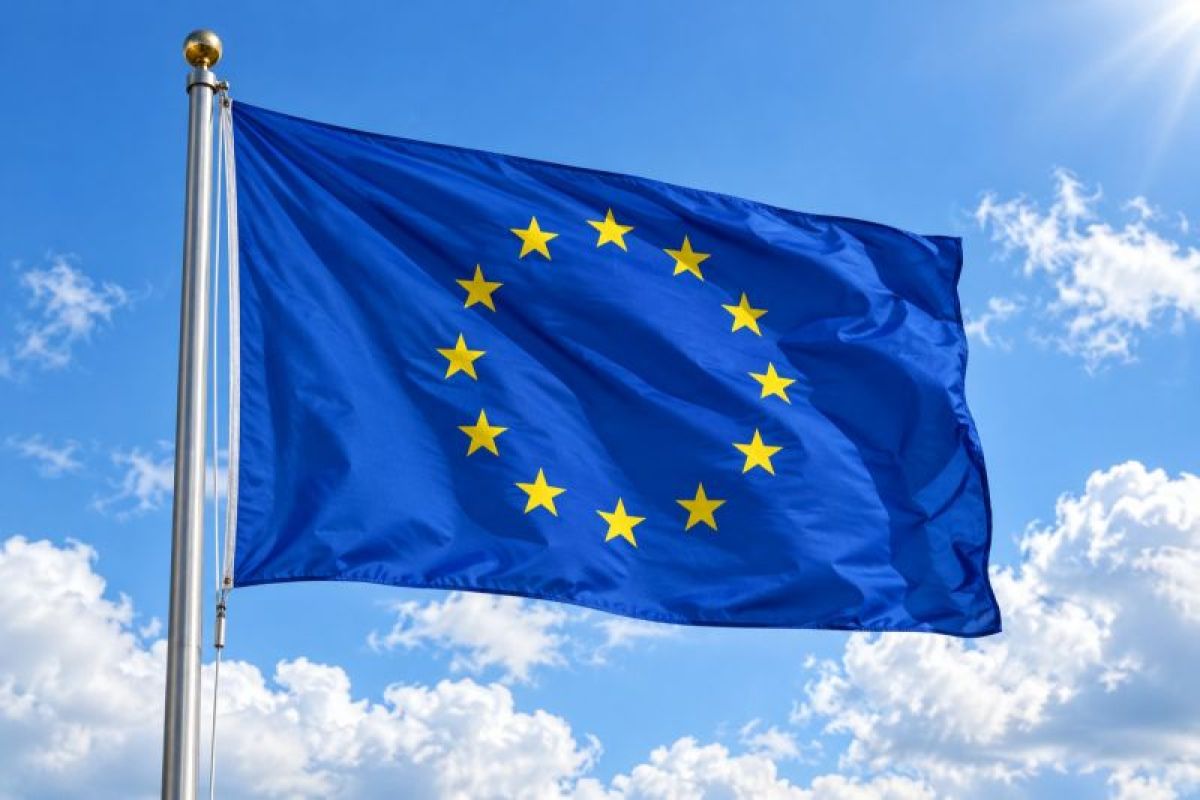
Brussels (ANTARA) - The European Union (EU) requires the North Atlantic Treaty Organization (NATO) to address security threats on its eastern flank, explained the European Commissioner for Defence and Space, Andrius Kubilius, on Thursday.
Nevertheless, Europe must be prepared to shoulder greater responsibility for its own defence as the US moves to reallocate resources to the Indo-Pacific region, said Kubilius.
“It is very clear why we need NATO, because we face real threats on our eastern border: Russia and Belarus,” Kubilius stated during a conference organised by the ‘Friends of An Europe’ think tank in Brussels.
He warned against assuming that the US will maintain its current level of military presence in Europe indefinitely.
Kubilius noted that Washington’s strategic focus is increasingly influenced by the growing power of China and various developments in the Indo-Pacific, a situation which he believes will necessitate the US diverting resources away from Europe.
“That is why they are asking us to develop our capabilities and prepare to take on the primary responsibility on the European continent, while they will hold secondary responsibility,” he said.
“As I understand it, we will see far less American presence on this European continent. Not because they no longer care about us, but because they need to pivot to the Indo-Pacific,” he added.
Consequently, Kubilius stated that the European Union needs to strengthen its defence capabilities, both materially and institutionally.
“Our doctrine, including foreign and defence policy, as well as our institutions and decision-making mechanisms formed in the past, are no longer suited to the current situation,” he remarked.
Kubilius stated that Europe requires stronger collective decision-making mechanisms alongside increased military capabilities.
According to him, a future European Defence Union should unite a number of countries across the continent and include Ukraine and Canada.
Kubilius also proposed exploring a more streamlined decision-making format, potentially referring to the concept of the European Group of Five (E5 Plus), while still allowing smaller nations to participate on a rotational basis.