
Commission XI: Protecting Purchasing Power Must Be a Priority During Ramadan
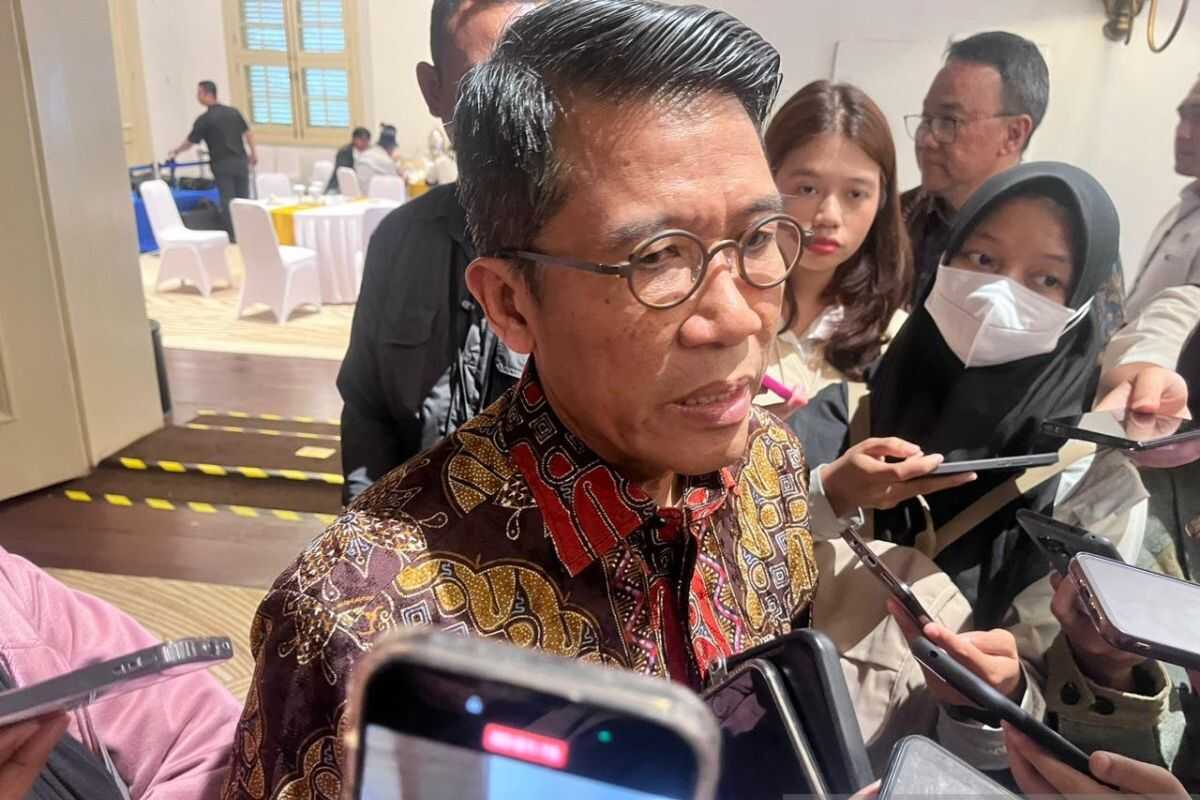
Jakarta (ANTARA) - Chairman of House of Representatives Commission XI Mukhamad Misbakhun stated that inflation control and the protection of public purchasing power must be the top priority of national economic policy, from the lead-up to the holy month of Ramadan through to Eid al-Fitr.
“Every Ramadan, consumption increases and price pressures can emerge. Therefore, the state must be present early, ensuring that policy instruments are working before volatility occurs,” Misbakhun said in Jakarta on Monday.
According to him, the seasonal cycle of rising demand for staple goods has become a mappable pattern. Without well-prepared anticipatory measures, such conditions have the potential to erode public purchasing power, particularly among the middle and lower income groups who are most vulnerable to surges in food commodity prices.
“Those who feel the impact most are ordinary people. If prices of rice, sugar or cooking oil rise unreasonably, it directly hits household expenditure. Therefore, food inflation control must be given serious attention,” he said.
He called on Bank Indonesia, the Ministry of Finance, the Financial Services Authority (OJK), and the national banking industry to work in synergy to maintain financial system stability. Optimising early detection mechanisms for potential food inflation and strengthening the role of Regional Inflation Control Teams (TPID) are strategic steps that must be activated early.
“Coordination must not be half-hearted. We want all authorities moving on the same frequency. Do not wait for prices to become volatile before acting. Our approach must be preventive, not reactive,” he said.
Furthermore, he stated that the smooth flow of logistics distribution and oversight of market speculation practices must not be neglected. The stability of the rupiah exchange rate and the adequacy of banking liquidity also determine the smooth running of public economic activity during Ramadan.
“Price stability is not merely a statistical figure. This is about the peace of mind of the public in worship and welcoming the festive season. If the economy is stable, business activity in the regions also moves and delivers a positive impact on growth,” he said.
To that end, he affirmed that the House of Representatives would carry out its supervisory role by intensively monitoring price developments, liquidity and policy effectiveness through to the peak of Eid al-Fitr.