
Commission X: Transition of part-time PPPK teachers to full-time status to be conducted without tests
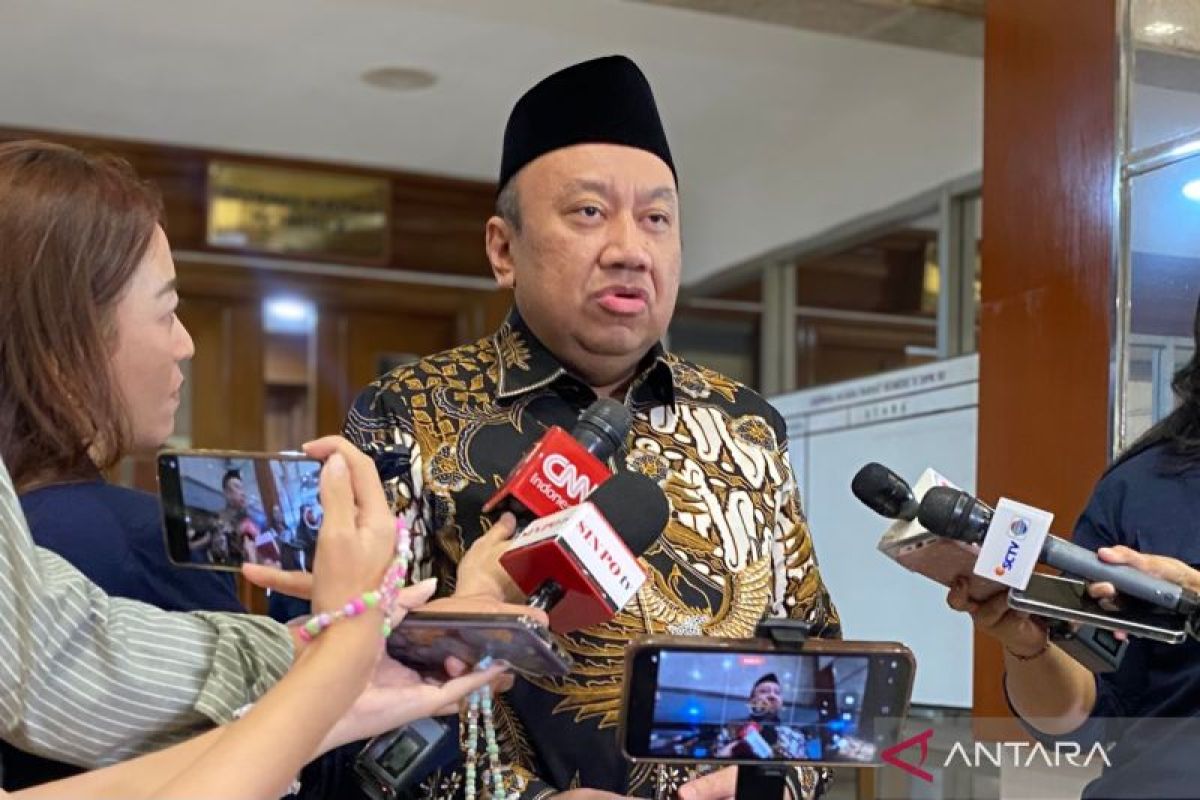
The Deputy Chairman of Commission X of the House of Representatives (DPR), Lalu Hadrian Irfani, stated that the appointment of part-time Government Employees with Work Agreements (PPPK) to full-time PPPK will be conducted without a test.
Speaking at the parliamentary complex in Senayan, Jakarta, on Monday, Lalu noted that these appointments are scheduled to take place from January 202t until 2029. “We have just discussed this internally with the Minister of Primary and Secondary Education; it is firm, the agreement between the government and the DPR is that the transition from part-time to full-time PPPK will be without a test,” he said.
According to him, approximately 240,000 part-time PPPK teachers will be automatically appointed to full-time positions starting early next year. The agreed budget for these appointments is estimated to reach Rp23 trillion. However, examinations will still be required for full-time PPPK teachers who wish to transition into Civil Servants (PNS).
Lalu made these remarks to clarify previous misinformation suggesting that the transition for part-time PPPK teachers would require a test.
Previously, the Minister of Home Affairs, Tito Karnavian, stated that the government is continuously strengthening the status arrangement for both part-time and full-time PPPK to provide security for employees, particularly teachers. During the Coordination Meeting on PPPK and Part-time PPPK Status across Professions on Thursday (17/9), the government addressed aspirations for part-time PPPK to transition to full-time, while full-time PPPK would have the opportunity to become PNS.
The Minister of Home Affairs mentioned that over 172,000 teachers are currently under discussion. Efforts will be made for them to undergo testing as part of the civil service status arrangement process. “The conclusion was that efforts will be made for them to undergo a form of test, and if they pass, they will be appointed as employees under the Ministry of Primary and Secondary Education,” he said.