
Commission VIII pushes for optimal Hajj services from the first flight group in 2026
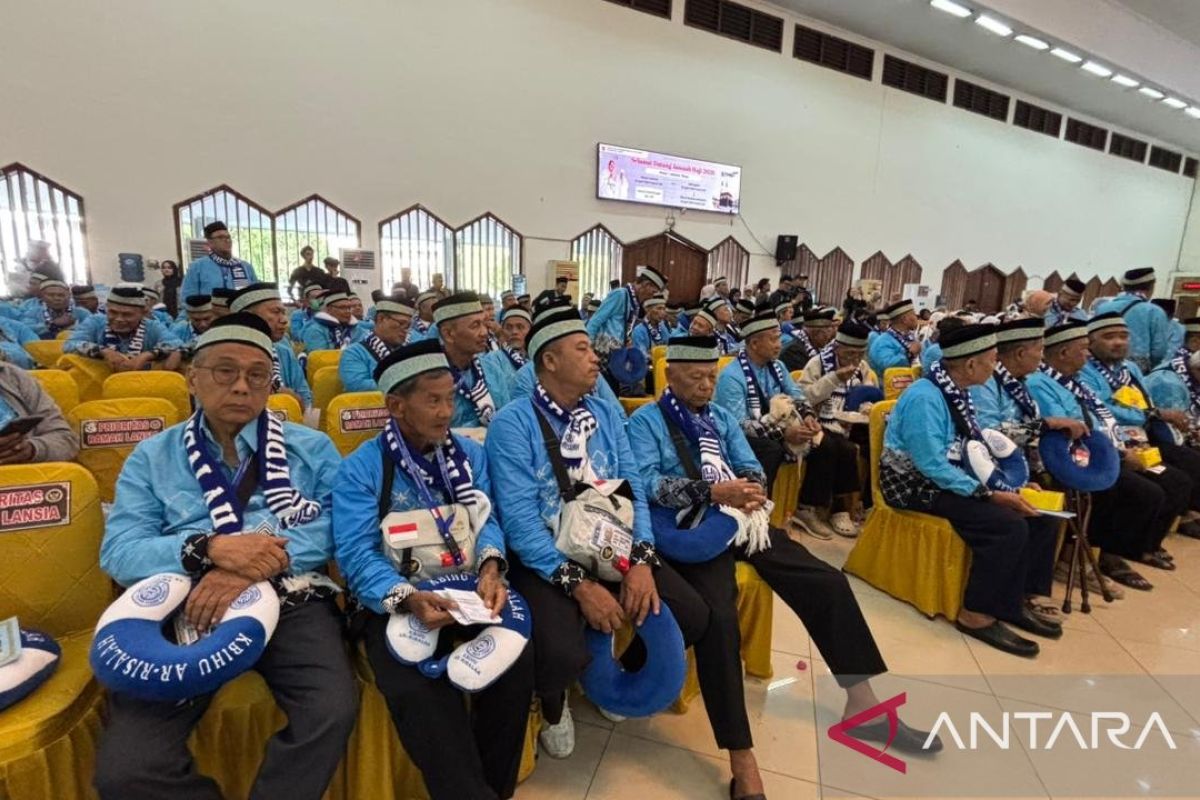
Jakarta (ANTARA) - Member of the Indonesian House of Representatives Commission VIII, Muhamad Abdul Azis Sefudin, is urging the Ministry of Hajj and Umrah to ensure that all services for prospective Hajj pilgrims run optimally ahead of the departure of the first flight group (kloter) to the Holy Land. Abdul Aziz stated that the initial phase of the pilgrims’ departure to Saudi Arabia is crucial as it will determine the overall quality of the Hajj organisation. “The first kloter will serve as a benchmark for the overall readiness of services. Therefore, we in Commission VIII of the DPR RI are pushing for the Ministry of Hajj to provide optimal services and ensure there are no obstacles in terms of transportation, accommodation, or health services for the pilgrims,” said Azis in Jakarta on Tuesday. The PDI Perjuangan politician asked the Ministry of Hajj to ensure that all preparations for the Hajj organisation are complete and 100 percent finalised. He hopes that the Ministry of Hajj, as the main implementer, can orchestrate the implementation well. “I emphasise the importance of solid coordination among officials, both domestically and in Saudi Arabia, so that the process from departure to arrival of the pilgrims runs smoothly,” said Azis. “Elderly pilgrims must be a priority. From the departure process, during their stay in the Holy Land, to their return, everything must receive extra attention,” he said. As a partner to the government, Commission VIII of the DPR RI will continue to monitor the implementation of the 2026 Hajj worship to ensure it proceeds according to the established service standards. He hopes that this year’s Hajj organisation can run better and provide comfort for all Indonesian pilgrims. “We want to ensure that pilgrims can perform their worship calmly, devoutly, and without being burdened by technical issues that should have been anticipated from the start,” he said. Previously, the Ministry of Hajj and Umrah (Kemenhaj) has prepared 118 hotels spread across three main areas, namely Syamaliah (north), Janubiyah (south), and Gharbiyah (west), which will welcome the arrival of the first wave of prospective Hajj pilgrims in Madinah. Zaenal explained that the characteristics of hotels in Madinah, particularly in terms of room capacity, pose a particular challenge in placing pilgrims. The hotel capacity, which is not always proportionate to the number of Hajj participants in one flight group (kloter), requires adjustments in placement. In such conditions, he continued, some pilgrims in one kloter may be accommodated in different hotels. However, the Ministry of Hajj assures that all services will still be provided equally without differences in quality.