
Commercial Ships Still Avoid Strait of Hormuz Despite US-Iran Peace Deal
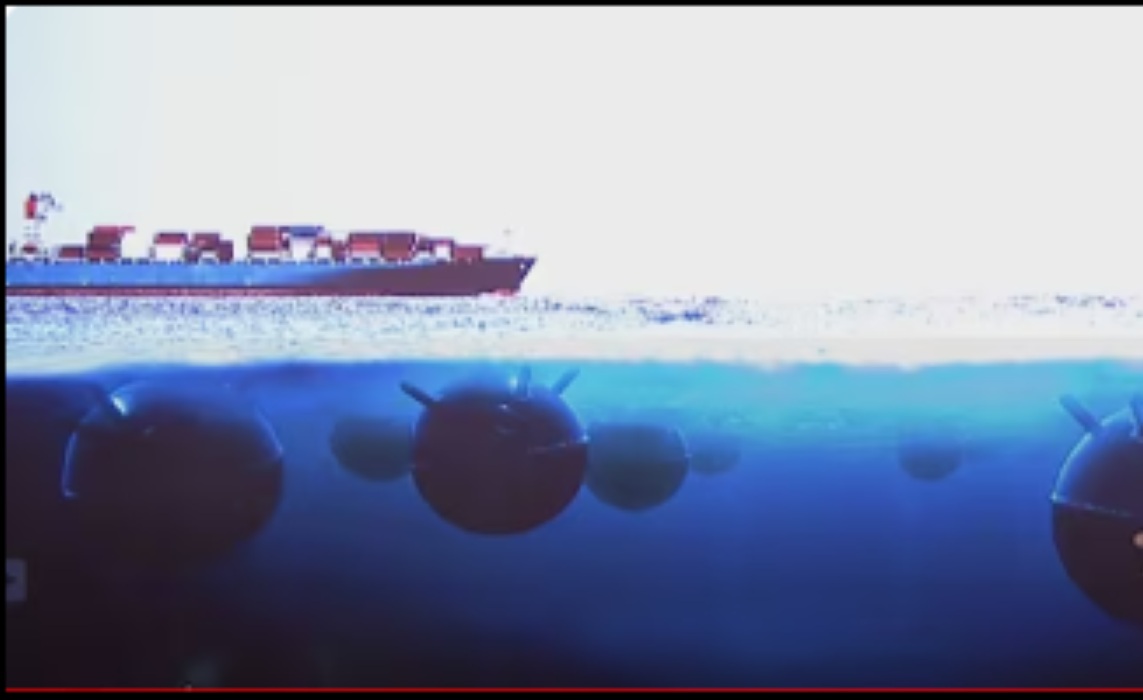
The planned signing of a peace agreement between the United States and Iran in Switzerland on 19 June has not yet convinced global shipping companies. To date, the majority of commercial vessel operators still choose to avoid the Strait of Hormuz for security reasons.
Several ship operators stated they are maintaining a wait-and-see approach until the agreement is truly realised and has a tangible impact on stability in the strategic shipping lane. One company that has explicitly expressed its caution is the Japanese shipping giant, Mitsui OSK Lines.
Mitsui OSK Chief Executive Jotaro Tamura stressed that the company will not return its fleet to the Strait of Hormuz route before conditions on the ground are genuinely stable. According to him, security guarantees on paper do not automatically eliminate the risk of attacks at sea.
“What needs to be realised is not merely a simple agreement between the countries involved, but it must be concrete and translated into the actual situation in the Strait of Hormuz, so that shipping companies can feel comfortable transiting it,” Tamura said as reported by CNBC on Tuesday (16/6).
The conflict, which erupted on 28 February following a combined US and Israeli attack on Iran, has paralysed shipping activity in the Strait of Hormuz. This route is the lifeblood of global energy trade, serving as a passage for approximately one-fifth of the world’s oil and liquefied natural gas (LNG) supplies.
Beyond energy commodities, the route is crucial for the shipment of industrial commodities such as aluminium and urea. Mitsui OSK, which operates more than 900 vessels ranging from tankers to bulk carriers, assesses that the risk in the region remains at a high level.
Tamura predicted that the normalisation process for shipping will take quite a long time. He estimated it would require at least several weeks to a month after the official reopening before vessel traffic returns to normal.
“Given the experience of the last few months, I think it is reasonable to assume that it may take at least a few weeks or even a month to transit the Strait of Hormuz, once it is opened,” he continued.
Although US President Donald Trump claimed via his Truth Social platform that oil tankers are beginning to move through an alternative route he called the Southern Highway, industry players remain sceptical. They are waiting for concrete proof that the memorandum of understanding between Washington and Tehran can truly end the aggression in the region.
Until the agreement in Switzerland is officially signed and the security situation is verified, the Strait of Hormuz is predicted to remain quiet from the activity of the world’s major commercial vessels, impacting uncertainty in global logistics costs and energy supplies.