
Commercial Ship Traffic in the Strait of Hormuz Continues to Rise
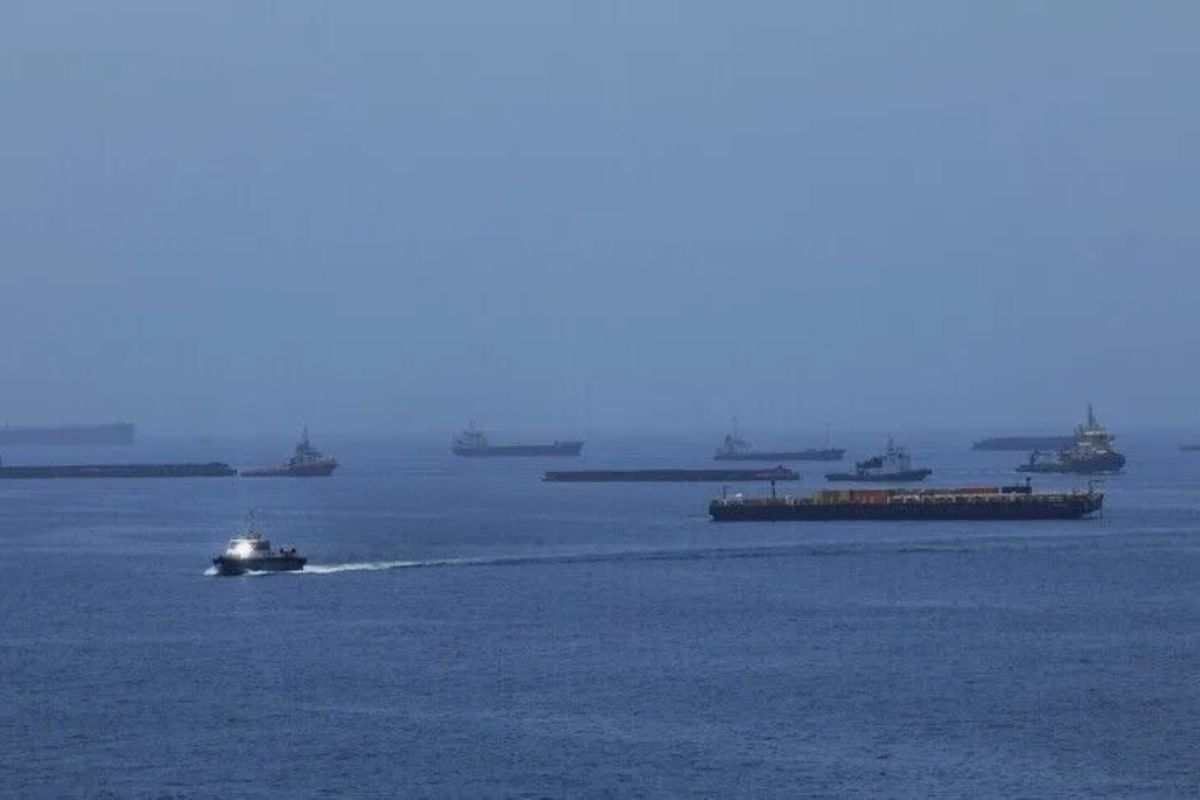
Commercial ship traffic transiting the Strait of Hormuz has increased by more than 50 per cent compared to the previous week, amid ongoing negotiations following a temporary peace agreement between the United States and Iran. Talks between the two nations are continuing in a fragile situation, despite the deal being reached on 14 June and taking effect on 18 June.
Before the war broke out at the end of February, an average of around 130 commercial ships crossed the Strait of Hormuz daily. However, after shipping activity nearly ground to a halt due to combined US and Israeli attacks on Iran, which were met with retaliation from Tehran, the flow of vessels through the strategic waterway has begun to recover following the Washington-Tehran agreement. Despite the uptick, ship traffic in the Strait of Hormuz remains about 70 per cent lower than pre-war levels. Industry players remain cautious about using the route, as negotiations between the United States and Iran are still ongoing under unstable conditions and high uncertainty.
According to data from analytics firm Kpler, a total of 223 commercial ships transited the Strait of Hormuz during the period of 15–21 June, averaging 32 ships per day. The lowest daily sailings were recorded on 17 June with 19 ships, whilst the highest figure reached 54 ships on 22 June. During the period of 22–28 June, the number of ships crossing the Strait of Hormuz rose to 343, with the daily average climbing to 49 ships. The lowest daily sailings were recorded on 28 June with 24 ships, while the highest figure reached 76 ships on 24 June. The 24th of June marked the busiest day for ship traffic in the Strait of Hormuz since the war began on 28 February.
Compared to the previous week, ship traffic in the strait increased by nearly 54 per cent. Most of the sailings were conducted by tankers carrying crude oil and petroleum products, particularly those originating from Iran, Saudi Arabia, the United Arab Emirates, Iraq, and Kuwait. The data also indicated that at least six million barrels of crude oil crossed the Strait of Hormuz on Monday. The majority of ships are still using shipping lanes within Iranian territorial waters, with most of the traffic on these routes conducted by shadow fleet vessels and ships under international sanctions.